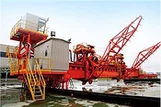
What are the key performance indicators of a Stacker Reclaimer?
As a supplier of stacker reclaimers, I understand the importance of evaluating these machines based on key performance indicators (KPIs). Stacker reclaimers are essential equipment in bulk material handling operations, such as in ports, mines, and power plants. They are used to stack and reclaim various types of bulk materials like coal, iron ore, and grains. In this blog, I will discuss the key performance indicators that are crucial for assessing the efficiency and effectiveness of a stacker reclaimer.
Throughput Capacity
One of the most important KPIs for a stacker reclaimer is its throughput capacity. This refers to the amount of material that the machine can handle within a given time frame. Throughput capacity is typically measured in tons per hour (t/h). A high throughput capacity is desirable as it allows for faster material handling, which can increase the overall productivity of the operation.
The throughput capacity of a stacker reclaimer is influenced by several factors, including the design of the machine, the type and size of the material being handled, and the operating conditions. For example, a stacker reclaimer with a larger bucket wheel or a higher conveyor belt speed will generally have a higher throughput capacity. Additionally, handling finer materials or materials with a lower bulk density may require a different design or operating parameters to achieve the desired throughput.
When evaluating the throughput capacity of a stacker reclaimer, it is important to consider the peak and average throughput requirements of the operation. The peak throughput is the maximum amount of material that needs to be handled during a short period, such as during a loading or unloading operation. The average throughput, on the other hand, is the typical amount of material handled over a longer period, such as a day or a week. Understanding these requirements will help in selecting a stacker reclaimer with the appropriate throughput capacity.
Stacking and Reclaiming Accuracy
Another important KPI is the stacking and reclaiming accuracy of the stacker reclaimer. Stacking accuracy refers to the ability of the machine to stack the material in a precise and uniform manner. This is important for maintaining the stability of the stockpile and ensuring efficient use of the storage space. Reclaiming accuracy, on the other hand, refers to the ability to reclaim the material from the stockpile in a controlled and consistent manner.
Accurate stacking and reclaiming are achieved through the use of advanced control systems and sensors. These systems can monitor the position and movement of the stacker reclaimer, as well as the level and shape of the stockpile. By using this information, the control system can adjust the operation of the machine to ensure that the material is stacked and reclaimed accurately.
Poor stacking and reclaiming accuracy can lead to several problems, such as uneven stockpile profiles, material segregation, and reduced storage capacity. These issues can result in increased operating costs, lower productivity, and potential safety hazards. Therefore, it is essential to choose a stacker reclaimer with high stacking and reclaiming accuracy.
Reliability and Availability
Reliability and availability are critical KPIs for any industrial equipment, including stacker reclaimers. Reliability refers to the ability of the machine to perform its intended function without failure over a given period. Availability, on the other hand, refers to the percentage of time that the machine is available for operation.
A reliable and available stacker reclaimer is essential for maintaining a continuous and efficient material handling operation. Downtime can result in lost production, increased costs, and missed delivery deadlines. To ensure high reliability and availability, stacker reclaimers are designed with robust components, advanced monitoring systems, and preventive maintenance programs.
Regular maintenance and inspections are also important for ensuring the long-term reliability and availability of the stacker reclaimer. By identifying and addressing potential issues before they cause a breakdown, the risk of unplanned downtime can be minimized. Additionally, having a spare parts inventory and a trained maintenance team can help to reduce the repair time in case of a failure.


Energy Efficiency
In today's energy-conscious world, energy efficiency is an important KPI for industrial equipment. Stacker reclaimers consume a significant amount of energy, mainly in the form of electricity for the operation of the motors, conveyors, and other components. Therefore, improving the energy efficiency of these machines can result in significant cost savings and environmental benefits.
There are several ways to improve the energy efficiency of a stacker reclaimer. One approach is to use energy-efficient motors and drives. These components can reduce the energy consumption of the machine without sacrificing performance. Another approach is to optimize the operation of the stacker reclaimer. This can include adjusting the conveyor belt speed, reducing unnecessary idling time, and using regenerative braking systems to recover energy during deceleration.
Additionally, the design of the stacker reclaimer can also have an impact on its energy efficiency. For example, using a more aerodynamic design for the bucket wheel or reducing the friction in the conveyor belts can reduce the energy required to operate the machine. By considering energy efficiency during the design and selection process, a stacker reclaimer can be chosen that offers the best balance between performance and energy consumption.
Safety Features
Safety is always a top priority in industrial operations, and stacker reclaimers are no exception. These machines operate in a harsh and challenging environment, and they can pose several safety hazards to the operators and other personnel. Therefore, it is essential to choose a stacker reclaimer that is equipped with comprehensive safety features.
Some of the common safety features found in stacker reclaimers include emergency stop buttons, safety guards, warning signs, and interlock systems. Emergency stop buttons allow the operators to quickly stop the operation of the machine in case of an emergency. Safety guards are used to protect the operators from moving parts and other hazards. Warning signs are placed in prominent locations to alert the personnel of potential dangers. Interlock systems prevent the machine from operating if certain safety conditions are not met.
In addition to these basic safety features, some stacker reclaimers are also equipped with advanced safety systems, such as collision avoidance systems and remote monitoring and control systems. Collision avoidance systems use sensors to detect the presence of other objects or personnel in the vicinity of the machine and automatically stop or slow down the operation to prevent a collision. Remote monitoring and control systems allow the operators to monitor the operation of the machine from a safe distance and make adjustments as needed.
Environmental Impact
The environmental impact of a stacker reclaimer is also an important consideration. These machines can generate dust, noise, and other pollutants during their operation, which can have a negative impact on the surrounding environment and the health of the local community. Therefore, it is important to choose a stacker reclaimer that is designed to minimize its environmental impact.
One way to reduce the environmental impact of a stacker reclaimer is to use dust suppression systems. These systems can include water sprays, dust collectors, and enclosure systems. Water sprays are used to wet the material and reduce the generation of dust. Dust collectors are used to capture the dust particles that are generated during the operation of the machine. Enclosure systems are used to contain the dust within a specific area and prevent it from spreading into the environment.
Another way to reduce the environmental impact is to use a stacker reclaimer that is powered by renewable energy sources, such as solar or wind power. This can significantly reduce the carbon footprint of the operation and contribute to a more sustainable future.
Cost of Ownership
Finally, the cost of ownership is an important KPI to consider when evaluating a stacker reclaimer. The cost of ownership includes not only the initial purchase price of the machine but also the operating costs, maintenance costs, and the cost of spare parts over the life of the machine.
When comparing the cost of ownership of different stacker reclaimers, it is important to consider the total cost of ownership rather than just the initial purchase price. A machine with a lower purchase price may have higher operating or maintenance costs, which can result in a higher total cost of ownership over the life of the machine. Therefore, it is important to choose a stacker reclaimer that offers the best balance between performance, reliability, and cost of ownership.
In conclusion, the key performance indicators of a stacker reclaimer include throughput capacity, stacking and reclaiming accuracy, reliability and availability, energy efficiency, safety features, environmental impact, and cost of ownership. By evaluating these KPIs, you can choose a stacker reclaimer that meets the specific requirements of your operation and offers the best value for your investment.
If you are in the market for a stacker reclaimer or need more information about our products, we encourage you to initiate a contact for procurement discussions. Our team of experts is ready to assist you in selecting the right stacker reclaimer for your needs and providing you with comprehensive support throughout the procurement process.
Stationary Stacking Conveyors can be found here. Bridge Bucket Wheel Stacker Reclaimer details are available here and Bucket Wheel Stacker Reclaimer information can be accessed here.
References
- ISO 5048:1996, Continuous mechanical handling equipment - Safety code for stacker - reclaimers.
- ASTM D653 - 11, Standard Terminology Relating to Soil, Rock, and Contained Fluids.
- ASME B30.15 - 2011, Safety Standard for Overhead and Gantry Cranes (Top Running Bridge, Single or Multiple Girder, Top Running Trolley Hoist).