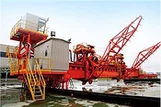
As a seasoned supplier of Stacker Reclaimers, I've witnessed firsthand the critical role these machines play in the efficient handling of bulk materials. Among the various components that make up a Stacker Reclaimer, the slewing mechanism stands out as a key element. It's responsible for the machine's ability to rotate and position itself accurately, ensuring seamless stacking and reclaiming operations. However, like any mechanical system, the slewing mechanism is subject to wear and tear over time. In this blog post, I'll delve into the signs of wear in a Stacker Reclaimer's slewing mechanism, helping you identify potential issues before they escalate into costly breakdowns.
1. Unusual Noises
One of the earliest indicators of wear in the slewing mechanism is the presence of unusual noises. During normal operation, the slewing mechanism should run smoothly and quietly. However, as components start to wear, you may notice grinding, squealing, or knocking sounds. These noises can be caused by a variety of factors, including worn gears, bearings, or drive components.
For instance, if the gears in the slewing drive are worn, they may not mesh properly, resulting in a grinding noise. Similarly, worn bearings can cause a squealing sound as they struggle to support the load. Knocking noises, on the other hand, may indicate loose or damaged components within the mechanism. If you hear any unusual noises coming from the slewing mechanism, it's important to investigate the issue promptly to prevent further damage.
2. Vibration
Excessive vibration is another sign of wear in the slewing mechanism. While some level of vibration is normal during operation, an increase in vibration can indicate problems with the alignment, balance, or integrity of the components. For example, if the slewing ring is worn or damaged, it may cause uneven rotation, leading to increased vibration.
Vibration can also be caused by loose or worn drive components, such as belts or chains. Over time, these components may stretch or become misaligned, resulting in a jerky or uneven motion. In addition to causing premature wear on the slewing mechanism, excessive vibration can also affect the overall stability and performance of the Stacker Reclaimer. If you notice an increase in vibration levels, it's crucial to have the slewing mechanism inspected by a qualified technician.


3. Reduced Rotational Speed
A decrease in the rotational speed of the slewing mechanism can be a sign of wear or mechanical problems. The slewing mechanism is designed to rotate at a specific speed to ensure efficient stacking and reclaiming operations. However, as components wear, the mechanism may struggle to maintain the desired speed.
There are several reasons why the rotational speed may decrease. Worn gears or bearings can increase friction, making it more difficult for the mechanism to rotate. Additionally, a damaged or malfunctioning drive system, such as a faulty motor or gearbox, can also cause a reduction in speed. If you notice that the slewing mechanism is rotating more slowly than usual, it's important to have it checked to determine the root cause of the problem.
4. Difficulty in Steering
If you find it increasingly difficult to steer the Stacker Reclaimer's slewing mechanism, it could be a sign of wear. The slewing mechanism should respond smoothly and accurately to steering commands. However, as components wear, you may experience increased resistance or a delay in response.
Difficulty in steering can be caused by a variety of factors, including worn steering components, such as the steering gear or hydraulic cylinders. Additionally, a lack of lubrication in the slewing mechanism can also make it more difficult to steer. If you're having trouble steering the slewing mechanism, it's important to have it inspected and serviced as soon as possible to prevent further damage.
5. Leakage of Lubricants
Lubrication is essential for the proper functioning of the slewing mechanism. It helps reduce friction, prevent wear, and dissipate heat. However, if you notice signs of lubricant leakage around the slewing mechanism, it could be a sign of a problem.
Lubricant leakage can be caused by a variety of factors, including worn seals, gaskets, or damaged housing. Over time, these components may deteriorate, allowing lubricant to escape. In addition to reducing the effectiveness of the lubrication system, leakage can also contaminate the surrounding environment and cause damage to other components. If you notice any signs of lubricant leakage, it's important to have the slewing mechanism inspected and repaired immediately.
6. Visible Wear on Components
Finally, one of the most obvious signs of wear in the slewing mechanism is visible damage or wear on the components. This can include worn gears, bearings, shafts, or other parts. Over time, these components may show signs of pitting, scoring, or excessive wear.
Visible wear on components is often a result of normal use, but it can also be accelerated by factors such as improper maintenance, overloading, or operating in harsh conditions. If you notice any visible signs of wear on the slewing mechanism components, it's important to have them replaced as soon as possible to prevent further damage and ensure the continued operation of the Stacker Reclaimer.
Conclusion
In conclusion, being aware of the signs of wear in a Stacker Reclaimer's slewing mechanism is crucial for maintaining the efficiency and reliability of your equipment. By regularly inspecting the slewing mechanism for unusual noises, vibration, reduced rotational speed, difficulty in steering, lubricant leakage, and visible wear on components, you can identify potential issues early and take appropriate action to prevent costly breakdowns.
At our company, we offer a wide range of high-quality Stacker Reclaimers, including the Gantry Bucket Wheel Stacker Reclaimer, Link Conveyors, and Portal-type Scraper Reclaimer. Our experienced team of technicians can also provide comprehensive maintenance and repair services to ensure the optimal performance of your Stacker Reclaimer.
If you're in the market for a new Stacker Reclaimer or need assistance with the maintenance and repair of your existing equipment, we encourage you to contact us to discuss your specific needs and explore the options available to you. Our dedicated sales team is ready to provide you with detailed information, competitive pricing, and personalized solutions to help you make an informed decision.
References
- Manufacturer's manuals and technical documentation for Stacker Reclaimers.
- Industry standards and guidelines for the maintenance and inspection of heavy machinery.
- Previous case studies and reports on the wear and tear of Stacker Reclaimer slewing mechanisms.