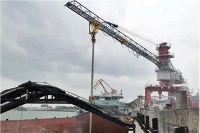
Are link conveyors suitable for wet environments? That's a question I've been asked a bunch of times as a link conveyors supplier. And it's a good one, 'cause working in wet conditions can really throw a wrench in how well equipment performs. So, let's dig into this and see if link conveyors are up to the task.
First off, what are link conveyors anyway? Well, they're a type of conveyor system made up of interlocking links. These links form a continuous belt that can move all sorts of stuff, from small parts in a factory to big chunks of material in a mining operation. They're known for being tough and reliable, which is why they're used in so many industries.
Now, when it comes to wet environments, there are a few things we gotta consider. Water can cause all kinds of problems, like corrosion, rust, and reduced friction. And if the conveyor isn't built to handle these issues, it can break down, slow down, or just plain stop working.
Let's start with corrosion. When metal parts are exposed to water, they can start to corrode over time. This weakens the parts and can lead to cracks and failures. But here's the good news: many link conveyors are made from materials that are resistant to corrosion. Stainless steel is a popular choice because it can stand up to water and other harsh chemicals. Some conveyors also have special coatings that protect the metal from rust and corrosion. So, as long as you choose the right materials, corrosion shouldn't be a major problem.
Next, there's the issue of reduced friction. When the conveyor belt gets wet, it can become slippery, which makes it harder for the belt to grip the rollers and move the material. This can cause the belt to slip or even stop moving altogether. To combat this, some link conveyors are designed with special treads or patterns on the belt that increase friction. Others use a different type of drive system that doesn't rely on friction as much. And in some cases, you can add a traction agent to the belt to help it grip better.
Another thing to think about is the impact of water on the conveyor's moving parts. Water can get into the bearings, gears, and other components, causing them to wear out faster. To prevent this, many link conveyors are sealed to keep water out. They also have lubrication systems that are designed to work in wet conditions. And if the conveyor does get wet, you can usually clean it and dry it out to prevent damage.
So, are link conveyors suitable for wet environments? The answer is yes, but it depends on a few factors. You need to choose the right materials, design the conveyor to handle the specific challenges of the wet environment, and take steps to maintain it properly. If you do all these things, a link conveyor can work just as well in a wet environment as it does in a dry one.
Now, let's talk about some of the industries where link conveyors are commonly used in wet environments. One of the biggest is the food and beverage industry. In this industry, conveyors are used to move products through washing, rinsing, and cooling processes. They need to be able to handle water and other liquids without getting damaged or contaminated. Link conveyors are a popular choice because they're easy to clean and can be made from food-grade materials.
Another industry where link conveyors are used in wet environments is the mining industry. In mines, conveyors are used to move ore and other materials from one location to another. They often operate in wet and dirty conditions, so they need to be tough and reliable. Link conveyors are a good choice because they can handle heavy loads and are resistant to wear and tear.
The wastewater treatment industry is another area where link conveyors are useful. In wastewater treatment plants, conveyors are used to move sludge and other waste materials. They need to be able to handle wet and sticky substances without clogging or breaking down. Link conveyors are a good option because they can be designed with a special belt that resists sticking and can be easily cleaned.
If you're in the market for a link conveyor for a wet environment, there are a few things you should look for. First, make sure the conveyor is made from materials that are resistant to corrosion and rust. Stainless steel is a great choice, but there are other options available too. Second, look for a conveyor that has a design that minimizes the impact of water on the moving parts. This might include sealed bearings, lubrication systems, and a special belt design. Finally, make sure the conveyor is easy to clean and maintain. This will help ensure that it lasts for a long time and performs well in the wet environment.
At our company, we specialize in providing high-quality link conveyors for all types of environments, including wet ones. We have a wide range of conveyors to choose from, and we can customize them to meet your specific needs. Whether you're in the food and beverage industry, the mining industry, or the wastewater treatment industry, we have a conveyor that will work for you.
If you're interested in learning more about our link conveyors or have any questions, please don't hesitate to contact us. We'd be happy to help you find the right conveyor for your application and answer any questions you might have. You can also check out some of our other products, like Mobile Hopper Feeders, Half Portal Type Scraper Reclaimer, and Tracked Bulk Reception Feeder.
In conclusion, link conveyors can be a great choice for wet environments as long as you choose the right materials, design the conveyor properly, and maintain it well. If you're looking for a reliable and durable conveyor for your wet application, give us a call. We're here to help you find the perfect solution.


References
- Conveyor Equipment Manufacturers Association (CEMA). Conveyor Design Manual.
- ASM Handbook, Volume 13A: Corrosion: Fundamentals, Testing, and Protection.