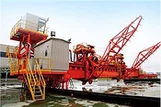
In the dynamic landscape of the shipping and bulk material handling industries, the question of whether a screw type ship unloader can be upgraded in the future is not only relevant but crucial for businesses aiming to stay competitive and efficient. As a leading supplier of screw type ship unloaders, I am constantly exploring the potential for advancements in this technology.
Current State of Screw Type Ship Unloaders
Screw type ship unloaders are widely recognized for their efficiency in unloading various bulk materials such as grains, coal, and minerals from ships. These machines operate on a simple yet effective principle: a large screw conveyor rotates within a tube or trough, scooping up the material and transporting it from the hold of the ship to the shore. The design is relatively straightforward, which has contributed to its reliability and widespread use.
One of the key advantages of screw type ship unloaders is their ability to handle a wide range of materials with different characteristics. They can work with both free - flowing and non - free - flowing materials, and their performance can be adjusted to suit the specific requirements of each cargo. Additionally, screw type ship unloaders are known for their low maintenance costs and high - level of automation, which reduces the need for manual labor.
However, like any technology, screw type ship unloaders also face certain limitations. For example, their unloading capacity is somewhat restricted compared to some other types of ship unloaders. In addition, the wear and tear on the screw conveyor can be significant, especially when handling abrasive materials, which may lead to increased maintenance requirements and downtime.
Technological Advancements on the Horizon
Looking ahead, there are several areas where screw type ship unloaders can potentially be upgraded.
Material and Design Improvements
One of the most promising areas for upgrade is the use of advanced materials in the construction of the screw conveyor. New composite materials or high - strength alloys could be employed to reduce wear and tear, thereby increasing the lifespan of the equipment and reducing maintenance costs. For instance, materials with high resistance to abrasion and corrosion can be used to protect the screw from the harsh environment of bulk material handling.
In terms of design, engineers could explore new geometries for the screw conveyor. A more optimized screw pitch and diameter could improve the efficiency of material handling, allowing for a higher unloading rate. Additionally, the design of the inlet and outlet mechanisms could be refined to minimize spillage and improve the overall flow of materials.
Automation and Control Systems
The future of screw type ship unloaders lies in enhanced automation and control systems. With the development of artificial intelligence and machine learning, these unloaders could be equipped with smart sensors that can monitor the condition of the equipment in real - time. For example, sensors could detect the level of wear on the screw, the amount of material being unloaded, and any potential blockages.
Based on the data collected by these sensors, the control system could automatically adjust the operating parameters of the unloader, such as the rotation speed of the screw and the angle of the boom. This would not only improve the efficiency of the unloading process but also reduce the risk of breakdowns and accidents.
Integration with Other Systems
Screw type ship unloaders could also be integrated with other systems in the port or storage facility. For example, they could be connected to a centralized material handling system that manages the flow of materials from the ship to the storage silos or trucks. This integration would enable seamless transfer of materials, reducing the time and effort required for manual intervention.
Comparison with Other Ship Unloading Technologies
To better understand the future prospects of screw type ship unloaders, it is useful to compare them with other types of ship unloaders, such as the Boom Jib, Catenary Bucket Unloader, and Buried Scraper Type Ship Unloader.


The Boom Jib ship unloader is known for its high unloading capacity and flexibility. It can reach different parts of the ship's hold, making it suitable for handling large - scale shipments. However, it is also more complex and expensive to operate and maintain compared to screw type ship unloaders.
The Catenary Bucket Unloader is another popular option, especially for handling granular materials. It uses a series of buckets attached to a chain to scoop up the material from the ship's hold. While it offers a high - speed unloading process, it may not be as versatile as screw type ship unloaders in terms of material handling.
The Buried Scraper Type Ship Unloader is designed to operate underground, which can be an advantage in terms of space utilization. However, it has limitations in terms of unloading efficiency and flexibility compared to screw type ship unloaders.
Despite these differences, the screw type ship unloader has its own unique advantages. And with the potential for future upgrades, it can continue to be a competitive choice in the market.
Market Demand and Economic Considerations
The market demand for screw type ship unloaders is expected to remain strong in the coming years, especially in emerging economies where there is a growing need for efficient bulk material handling. As international trade continues to expand, ports and shipping companies are constantly looking for ways to improve their operations and reduce costs.
From an economic perspective, upgrading screw type ship unloaders can offer significant benefits. Although the initial investment in upgrading may be high, the long - term savings in terms of reduced maintenance costs, increased efficiency, and improved reliability can outweigh the costs. For example, a more efficient unloader can reduce the time a ship spends in port, which translates into lower demurrage costs for the shipping company.
Conclusion
In conclusion, the screw type ship unloader has a bright future with significant potential for upgrades. Through technological advancements in materials, design, automation, and integration with other systems, these unloaders can become even more efficient, reliable, and cost - effective.
If you are in the market for a screw type ship unloader or are interested in upgrading your existing equipment, I invite you to reach out to discuss your specific needs. Our team of experts is committed to providing the best solutions to meet your requirements and help you stay ahead in the competitive shipping and bulk material handling industries.
References
- "Handbook of Bulk Materials Handling" by Joseph A. Wypych
- "Maritime Transport and Port Development" by various authors
- Industry reports on ship unloading technologies from leading research firms