In industries dealing with hazardous materials, the question of whether link conveyors can be used in an explosion-proof environment is of utmost importance. As a trusted supplier of link conveyors, we understand the significance of providing solutions that meet the highest safety standards. This blog aims to explore the feasibility of using link conveyors in explosion-proof settings, considering the technical aspects, safety requirements, and regulatory compliance.
Understanding Explosion - Proof Environments
Explosion-proof environments are areas where there is a risk of explosive atmospheres due to the presence of flammable gases, vapors, dusts, or fibers. These environments are typically found in industries such as petrochemical, mining, grain handling, and chemical manufacturing. The potential for an explosion occurs when three elements are present: a flammable substance, an oxidizing agent (usually air), and an ignition source.
To prevent explosions, these environments are classified based on the nature and likelihood of the presence of explosive atmospheres. The classification systems vary by region, but the most common ones include the International Electrotechnical Commission (IEC) and the National Electric Code (NEC) in the United States. The classification helps in determining the appropriate safety measures and equipment requirements for each area.
Technical Features of Link Conveyors
Link conveyors are a type of material handling equipment that use a series of connected links to move products along a defined path. They are known for their versatility, durability, and ability to handle a wide range of materials, including heavy and bulky items. Link conveyors can be designed with different types of links, such as flat-top, slat, or chain links, depending on the specific application.
The construction of link conveyors is typically made of robust materials such as stainless steel or aluminum, which can withstand high loads and harsh operating conditions. They can be configured in various layouts, including straight, curved, and inclined sections, to adapt to the layout of the production facility.
Considerations for Using Link Conveyors in Explosion - Proof Environments
1. Ignition Sources
One of the primary concerns when using link conveyors in an explosion-proof environment is the potential for ignition sources. The conveyor system may generate heat, sparks, or static electricity during operation, which can act as ignition sources if there is an explosive atmosphere present.
To mitigate this risk, several design features can be incorporated into the link conveyor. For example, non - sparking materials can be used in the construction of components that are likely to generate sparks, such as bearings and drive mechanisms. Additionally, grounding systems can be installed to prevent the buildup of static electricity.
2. Sealing and Enclosure
Another important consideration is the sealing and enclosure of the link conveyor. In an explosion - proof environment, it is essential to prevent the ingress of flammable substances into the conveyor system and to contain any potential explosion within the enclosure.


The conveyor can be designed with sealed housings and gaskets to prevent the leakage of dust, gases, or vapors. Additionally, explosion - proof enclosures can be used to protect electrical components, such as motors and controls, from the explosive atmosphere.
3. Conveyor Speed and Load
The speed and load of the link conveyor can also affect its suitability for an explosion - proof environment. High - speed conveyors may generate more heat and friction, increasing the risk of ignition. Therefore, it is important to carefully select the conveyor speed based on the characteristics of the material being conveyed and the requirements of the explosion - proof area.
Similarly, overloading the conveyor can cause stress on the links and drive components, leading to potential failures and increased heat generation. Proper load calculation and monitoring should be implemented to ensure the safe operation of the conveyor.
Safety Standards and Regulations
When using link conveyors in explosion - proof environments, it is crucial to comply with relevant safety standards and regulations. These standards are designed to ensure the safety of personnel and equipment and to prevent explosions in hazardous areas.
In Europe, the ATEX directive sets the requirements for equipment and protective systems intended for use in potentially explosive atmospheres. In the United States, the NEC provides guidelines for electrical equipment used in hazardous locations. Conformity to these standards typically involves third - party certification and testing to ensure that the link conveyor meets the necessary safety requirements.
Our Solutions for Explosion - Proof Environments
As a link conveyor supplier, we offer a range of solutions specifically designed for explosion - proof environments. Our conveyors are engineered to meet the highest safety standards and are equipped with features to minimize the risk of ignition.
We use non - sparking materials in the construction of critical components, such as drive sprockets and bearings. Our conveyors are also designed with sealed enclosures to prevent the ingress of flammable substances. Additionally, we provide grounding systems and explosion - proof electrical components to ensure compliance with safety regulations.
In addition to link conveyors, we also offer other related products that are suitable for explosion - proof environments. For example, our Telescopic Mobile Belt Conveyor is a versatile solution for material handling in various industries. It can be easily adjusted to different lengths, making it ideal for loading and unloading operations.
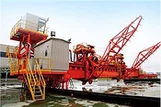
Our Crawler Type Mobile Stacker Reclaimer is another option for handling bulk materials in hazardous areas. The crawler design provides excellent mobility and stability, allowing it to operate in challenging terrains.
Moreover, our Mobile Reclaim Hopper is designed to facilitate the reclamation of materials in a safe and efficient manner. It can be easily moved to different locations, making it suitable for use in explosion - proof environments where flexibility is required.
Recommended Practices for Operation and Maintenance
To ensure the continued safe operation of link conveyors in explosion - proof environments, it is important to follow recommended practices for operation and maintenance. Regular inspections should be carried out to check for any signs of wear, damage, or improper functioning.
Operators should be trained on the proper use of the conveyor, including startup, shutdown, and emergency procedures. They should also be aware of the potential hazards associated with the explosion - proof environment and the importance of following safety protocols.
Maintenance personnel should have the necessary expertise and tools to perform maintenance tasks safely. They should follow the manufacturer's recommendations for lubrication, component replacement, and calibration.
Conclusion
In conclusion, link conveyors can be used in explosion - proof environments with the right design features, safety measures, and compliance with regulations. As a link conveyor supplier, we are committed to providing high - quality products that meet the strictest safety standards for hazardous areas. Our range of solutions, including the Telescopic Mobile Belt Conveyor, Crawler Type Mobile Stacker Reclaimer, and Mobile Reclaim Hopper, offer reliable and efficient material handling options for industries dealing with explosive atmospheres.
If you are in need of link conveyors or related equipment for your explosion - proof environment, we invite you to contact us for a detailed discussion and to explore how our solutions can meet your specific requirements. Our team of experts is ready to assist you in selecting the most suitable equipment and providing the necessary support for installation, operation, and maintenance.
References
- International Electrotechnical Commission (IEC) standards on explosive atmospheres.
- National Electric Code (NEC) for hazardous locations in the United States.
- ATEX directive for equipment in potentially explosive atmospheres in Europe.