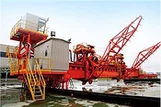
Hey there! As a supplier of Mobile Hopper Feeders, I've been getting a lot of questions lately about whether these nifty machines need regular calibration. Well, let's dive right into it and find out.
First off, let's understand what a mobile hopper feeder is. It's a device that's designed to feed materials, like grains, minerals, or other bulk solids, at a controlled rate. These feeders are super handy in various industries, from agriculture to mining, because they help ensure a steady and consistent flow of materials.
Now, the big question: do they need regular calibration? The short answer is yes, and here's why. Over time, the components of a mobile hopper feeder can wear out. The belts, motors, and sensors that control the feeding rate can all experience normal wear and tear. This can lead to inaccuracies in the amount of material being fed. For example, if the belt starts to slip a bit, it might not deliver the right quantity of material per unit of time.
Calibration is like giving your mobile hopper feeder a health check-up. It involves adjusting the settings to make sure that the feeder is dispensing the correct amount of material. This is crucial for maintaining the quality and efficiency of your operations. If you're in the food industry, for instance, accurate feeding is essential to ensure that your products have the right ingredients in the right proportions. In the mining industry, precise feeding can help optimize the extraction process and reduce waste.
Let's talk about the signs that your mobile hopper feeder might need calibration. One of the most obvious signs is inconsistent feeding. If you notice that the amount of material being dispensed varies from one batch to another, it's a clear indication that something's off. Another sign is if the feeder is making unusual noises. This could be a sign of mechanical problems that are affecting the calibration.
So, how often should you calibrate your mobile hopper feeder? Well, it depends on a few factors. If you're using the feeder in a high - volume, high - stress environment, you might need to calibrate it more frequently, maybe every few weeks or months. On the other hand, if it's used less often or in a less demanding environment, you might be able to get away with calibrating it once or twice a year.
Now, let's look at the calibration process itself. It's not as complicated as it might seem. First, you'll need to gather some tools, like a scale to measure the amount of material being dispensed. You'll also need to refer to the manufacturer's instructions for your specific model of mobile hopper feeder.
The calibration process usually involves adjusting the speed of the feeder, the opening size of the hopper, and the settings of the sensors. You'll start by running the feeder with a known quantity of material and measuring how much is actually dispensed. Then, you'll make the necessary adjustments to get the desired feeding rate.
It's important to note that calibration isn't a one - time thing. Even after you've calibrated your feeder, you should still monitor its performance regularly. This will help you catch any issues early on and ensure that your feeder continues to operate at its best.
As a supplier of Mobile Hopper Feeders, I've seen firsthand the benefits of regular calibration. Our customers who take the time to calibrate their feeders report higher productivity, better product quality, and fewer breakdowns.
If you're in the market for a mobile hopper feeder, or if you're looking to improve the performance of your existing one, we've got you covered. We also offer a range of related products that can complement your mobile hopper feeder. For example, check out our Link Conveyors. These conveyors are designed to work seamlessly with mobile hopper feeders, helping to transport the materials efficiently.


Another great option is our Telescopic Mobile Belt Conveyor. It offers flexibility in terms of length and can be adjusted to fit different working environments. And if you're in the mining or bulk material handling industry, our Half Portal Type Scraper Reclaimer is a must - have. It's designed to reclaim materials from stockpiles with ease.
If you're interested in learning more about our products or have any questions about mobile hopper feeder calibration, don't hesitate to reach out. We're here to help you make the most of your equipment and ensure that your operations run smoothly.
In conclusion, regular calibration of mobile hopper feeders is essential for maintaining accuracy, efficiency, and productivity. By taking the time to calibrate your feeder and keeping an eye on its performance, you can avoid costly breakdowns and ensure that your business runs like a well - oiled machine. So, if you haven't already, start thinking about when your mobile hopper feeder could use a calibration.
References:
- Manufacturer's manuals for mobile hopper feeders
- Industry best practices for bulk material handling equipment