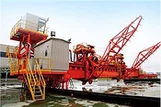
Mobile hopper feeders are crucial components in various industries, including mining, construction, and agriculture. They are designed to store and dispense bulk materials efficiently. However, one of the most common challenges faced in using mobile hopper feeders is clogging. Clogging can lead to significant downtime, increased maintenance costs, and reduced productivity. As a supplier of Mobile Hopper Feeders, we understand the importance of preventing clogging and have developed several effective strategies to address this issue.
Understanding the Causes of Clogging
Before delving into the prevention methods, it is essential to understand the root causes of clogging in mobile hopper feeders. Several factors can contribute to clogging, including the characteristics of the material being handled, the design of the hopper, and the operating conditions.
- Material Characteristics: The properties of the bulk material, such as particle size, shape, moisture content, and cohesiveness, play a significant role in clogging. Fine - grained materials with high moisture content are more likely to stick together and form bridges or arches within the hopper, leading to blockages. For example, wet sand or clay can easily adhere to the hopper walls and cause clogging.
- Hopper Design: The shape and dimensions of the hopper can also influence clogging. A hopper with steep walls and a small outlet is more prone to clogging than one with a more gradual slope and a larger opening. Additionally, sharp corners and edges in the hopper can trap material and initiate clogging.
- Operating Conditions: The rate of material flow, the method of material loading, and the frequency of operation can all affect clogging. Overloading the hopper or feeding material too quickly can cause the material to pile up and block the outlet. Similarly, irregular feeding patterns can disrupt the flow of material and lead to clogging.
Strategies for Preventing Clogging
1. Optimized Hopper Design
- Proper Slope Angle: We design our mobile hopper feeders with an appropriate slope angle to ensure smooth material flow. A steeper slope reduces the chances of material sticking to the walls and promotes self - emptying. Generally, a slope angle of 60 - 70 degrees is recommended for most bulk materials.
- Smooth Interior Surfaces: To minimize friction and prevent material adhesion, we use smooth interior surfaces in our hoppers. Stainless steel or other low - friction materials are often used to line the hopper walls. This reduces the likelihood of material buildup and makes it easier for the material to slide down the hopper.
- Round or Oval Shapes: Instead of using hoppers with sharp corners, we prefer round or oval shapes. These shapes eliminate the areas where material can accumulate and form blockages. The continuous curvature allows the material to flow freely without getting trapped.
2. Vibratory Systems
- Vibrators: Installing vibrators on the hopper walls is an effective way to prevent clogging. Vibrators create vibrations that loosen the material and break up any bridges or arches that may form. We offer different types of vibrators, such as electric vibrators and pneumatic vibrators, depending on the specific requirements of the application. For instance, in a dusty environment, pneumatic vibrators may be more suitable as they are less prone to damage from dust.
- Vibratory Feeders: In addition to wall - mounted vibrators, we also incorporate vibratory feeders at the hopper outlet. These feeders not only help in preventing clogging but also control the rate of material flow. By adjusting the vibration intensity and frequency, we can ensure a consistent and smooth flow of material from the hopper.
3. Air Assist Systems
- Air Jets: Air assist systems use compressed air to break up clumps of material and clear blockages. We install air jets at strategic locations inside the hopper, such as near the outlet or at points where clogging is likely to occur. When activated, the air jets release a burst of high - pressure air that dislodges the material and restores the flow.
- Air Cannons: Air cannons are another type of air assist device that can be used to prevent clogging. These cannons store compressed air and release it in a powerful blast when needed. They are particularly effective for clearing large blockages or stubborn material buildup.
4. Material Conditioning
- Moisture Control: As mentioned earlier, high moisture content can contribute to clogging. Therefore, we may recommend moisture control measures, such as drying the material before it is fed into the hopper. This can be achieved through various methods, such as using dryers or adding desiccants to the material.
- Particle Size Reduction: For materials with large particles or clumps, we may suggest using crushers or grinders to reduce the particle size. Smaller particles are less likely to form blockages and flow more easily through the hopper.
Our Product Range and Their Anti - Clogging Features
- Mobile Reclaim Hopper: Our Mobile Reclaim Hopper is designed with all the anti - clogging features mentioned above. It has a smooth stainless - steel interior, a proper slope angle, and is equipped with vibratory systems to ensure continuous material flow. Whether you are handling coal, ore, or other bulk materials, this hopper can effectively prevent clogging and keep your operations running smoothly.
- Crawler Type Mobile Stacker Reclaimer: The crawler type mobile stacker reclaimer in our product range also incorporates advanced anti - clogging technology. Its hopper design is optimized for efficient material handling, and air assist systems are available as an option to prevent blockages. This machine is suitable for large - scale mining and construction projects where continuous material flow is essential.
- Crawler Boom Shuttle Mobile Stacker Reclaimer: Our Crawler Boom Shuttle Mobile Stacker Reclaimer features a unique hopper design that minimizes the risk of clogging. The use of vibratory feeders and smooth interior surfaces ensures that the material is fed evenly and without interruption. This makes it an ideal choice for applications where precise material handling is required.
Conclusion
Preventing clogging in mobile hopper feeders is a complex but essential task. By understanding the causes of clogging and implementing appropriate prevention strategies, we can ensure reliable and efficient operation of our mobile hopper feeders. As a supplier, we are committed to providing high - quality products that are designed to minimize clogging and maximize productivity.


If you are facing clogging issues in your current mobile hopper feeders or are looking for a reliable solution for your new project, we invite you to contact us for a consultation. Our team of experts can help you select the most suitable mobile hopper feeder for your specific application and provide you with all the necessary support to ensure its optimal performance.
References
- Perry, R. H., & Green, D. W. (2008). Perry's Chemical Engineers' Handbook. McGraw - Hill.
- Rotz, C. A., & Chen, Y. (2011). Handbook of Agricultural Engineering. Springer.
- Geldart, D. (1973). Types of gas fluidization. Powder Technology, 7(5), 285 - 292.