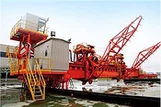
As a supplier of Arc Track Ship Loaders, I often get asked about how to maintain the hydraulic system of these machines. It's a crucial part of the ship loader, and proper maintenance can ensure its smooth operation and extend its lifespan. In this blog, I'll share some insights on how to maintain the hydraulic system of an Arc Track Ship Loader.
Understanding the Hydraulic System in Arc Track Ship Loaders
First off, let's quickly go over what the hydraulic system in an Arc Track Ship Loader does. It's responsible for powering various movements of the loader, like the boom's up - and - down motion, the slewing of the loader, and the operation of the conveyor belts. The system uses hydraulic fluid to transfer power from the pump to different actuators, such as cylinders and motors.
Regular Inspections
One of the most important aspects of maintenance is regular inspections. You should check the hydraulic system at least once a week, or more frequently if the loader is in heavy use.
- Fluid Level and Quality: Check the hydraulic fluid level in the reservoir. Low fluid levels can cause the pump to suck in air, which can lead to cavitation and damage the pump. Also, look at the fluid's color and clarity. If it's dark, cloudy, or has a burnt smell, it might be time to change the fluid. You can use a dipstick or a sight glass to check the level, and a simple fluid analysis kit to test its quality.
- Hoses and Fittings: Inspect all the hoses and fittings for signs of wear, cracks, or leaks. A small leak can quickly turn into a big problem, as it not only causes a loss of hydraulic fluid but can also lead to contamination of the system. Tighten any loose fittings, and replace any hoses that show signs of damage. You can use a pressure test to check the integrity of the hoses if you're unsure.
- Filters: The filters in the hydraulic system are there to remove contaminants from the fluid. Check the filters regularly and replace them according to the manufacturer's recommendations. Clogged filters can restrict the flow of fluid, which can cause overheating and damage to the pump.
Fluid Maintenance
The hydraulic fluid is the lifeblood of the system, so taking care of it is essential.
- Fluid Change: Over time, the hydraulic fluid breaks down and loses its properties. It's important to change the fluid at the recommended intervals. The frequency of fluid changes depends on factors like the type of fluid, the operating conditions, and the age of the system. Generally, it's a good idea to change the fluid every 1000 - 2000 operating hours.
- Fluid Additives: In some cases, you might need to add additives to the hydraulic fluid. These additives can improve the fluid's performance, such as its anti - wear properties, oxidation resistance, and foam suppression. However, make sure to use the additives recommended by the manufacturer, as using the wrong ones can cause more harm than good.
Component Maintenance
The individual components of the hydraulic system also need proper maintenance.
- Pump: The pump is the heart of the hydraulic system. It's important to check the pump's performance regularly. Listen for any unusual noises, which could indicate a problem with the pump. Also, check the pump's pressure and flow rate. If the pressure is too low or the flow rate is inconsistent, it might be time to service or replace the pump.
- Valves: The valves in the hydraulic system control the flow and direction of the fluid. Check the valves for proper operation. Make sure they open and close smoothly, and that they're not leaking. You can use a valve tester to check the valves' performance.
- Actuators: The actuators, such as cylinders and motors, are responsible for the actual movement of the loader. Check the actuators for any signs of damage or wear. Look for leaks around the seals, and make sure the cylinders extend and retract smoothly. If you notice any problems with the actuators, it's important to address them quickly to avoid further damage.
Training and Documentation
Proper training for the operators and maintenance staff is crucial. They should be familiar with the hydraulic system's operation and maintenance procedures. Provide them with training on how to perform inspections, change the fluid, and troubleshoot common problems.
Also, keep detailed documentation of all the maintenance activities. This includes records of fluid changes, filter replacements, component repairs, and any other maintenance tasks. Having this documentation can help you track the system's performance over time and plan for future maintenance.


Comparison with Other Ship Loaders
If you're considering different types of ship loaders, it's worth comparing the hydraulic system maintenance of the Arc Track Ship Loader with other models. For example, the Fixed Bulk Ship Loader and the Mobile Bulk Ship Loader might have different hydraulic system designs and maintenance requirements. The Fixed Swing Ship Loader is another option, and its hydraulic system might also vary. Understanding these differences can help you make an informed decision when choosing a ship loader.
Conclusion
Maintaining the hydraulic system of an Arc Track Ship Loader is not a difficult task, but it does require regular attention and proper procedures. By following the steps outlined in this blog, you can ensure that your hydraulic system operates smoothly and efficiently, and that your ship loader has a long and productive life.
If you're in the market for an Arc Track Ship Loader or need more information about hydraulic system maintenance, don't hesitate to contact us. We're here to help you make the best choice for your needs and ensure that your equipment runs at its best.
References
- Manufacturer's manual for Arc Track Ship Loader
- Industry standards for hydraulic system maintenance