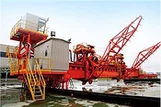
As a supplier of Wheeled Bulk Reception Feeders, I understand the importance of optimizing the performance of these machines. A well - performing Wheeled Bulk Reception Feeder can significantly enhance the efficiency of bulk material handling operations. In this blog, I will share several key strategies that can help improve the performance of a Wheeled Bulk Reception Feeder.
1. Regular Maintenance and Inspection
Regular maintenance is the cornerstone of ensuring the long - term performance of a Wheeled Bulk Reception Feeder. First and foremost, it is essential to establish a comprehensive maintenance schedule. This schedule should include daily, weekly, monthly, and annual maintenance tasks.
Daily maintenance tasks may involve checking the feeder's visual appearance for any signs of damage, such as cracks or loose parts. Operators should also inspect the conveyor belts for proper tension and alignment. A misaligned or loose conveyor belt can lead to uneven material flow and increased wear and tear on the belt itself.
Weekly maintenance can focus on lubrication. All moving parts, such as bearings, gears, and pulleys, need to be properly lubricated. Insufficient lubrication can cause friction, overheating, and premature failure of these components. For example, if the bearings are not lubricated regularly, they may seize up, leading to costly downtime.
Monthly maintenance can include more in - depth inspections. This may involve checking the electrical systems for any loose connections or damaged wires. The hydraulic systems, if present, should also be inspected for leaks and proper pressure. Annual maintenance should be a thorough overhaul. This can include disassembling the feeder, replacing worn - out parts, and conducting performance tests.
By adhering to a strict maintenance schedule, you can prevent many potential problems before they occur, ensuring that the Wheeled Bulk Reception Feeder operates at its peak performance. For more information about Wheeled Bulk Reception Feeders, you can visit Wheeled Bulk Reception Feeder.
2. Optimal Material Handling
The way materials are handled can have a significant impact on the performance of the feeder. First, it is important to ensure that the material being fed into the feeder is within the design specifications. Different Wheeled Bulk Reception Feeders are designed to handle specific types of materials, with certain particle sizes, densities, and moisture contents.
If the material has a high moisture content, it may stick to the conveyor belts or other components, causing blockages and reducing the efficiency of the feeder. In such cases, it may be necessary to dry the material before feeding it into the feeder. Similarly, if the particle size is too large, it can cause jams in the feeder. Using a pre - screening process to remove oversized particles can help prevent these issues.
Another aspect of optimal material handling is the feeding rate. Overloading the feeder can lead to reduced performance and increased wear on the components. It is crucial to determine the optimal feeding rate based on the feeder's capacity and the characteristics of the material. This can often be achieved through trial and error, as well as monitoring the feeder's performance during operation.
3. Upgrading Components
As technology advances, upgrading the components of the Wheeled Bulk Reception Feeder can be an effective way to improve its performance. For example, replacing the old conveyor belts with high - quality, wear - resistant belts can reduce the frequency of belt replacements and improve the overall efficiency of material transfer.
Upgrading the drive systems can also enhance the feeder's performance. Newer drive systems may offer better speed control, higher torque, and improved energy efficiency. For instance, a variable - frequency drive (VFD) can adjust the speed of the feeder according to the material flow requirements, reducing energy consumption and improving the accuracy of material feeding.
In addition, upgrading the control systems can provide more precise control over the feeder's operation. Modern control systems can monitor various parameters, such as the speed of the conveyor belts, the level of material in the hopper, and the power consumption. This data can be used to optimize the feeder's performance in real - time.
4. Operator Training
Well - trained operators are essential for the optimal performance of a Wheeled Bulk Reception Feeder. Operators should be familiar with the feeder's operation manual, including how to start and stop the feeder safely, how to adjust the feeding rate, and how to perform basic maintenance tasks.


Training should also cover safety procedures. Operators need to understand the potential hazards associated with operating the feeder, such as moving parts, electrical hazards, and the risk of material spills. By following proper safety procedures, operators can prevent accidents and ensure the smooth operation of the feeder.
In addition, operators should be trained to recognize early signs of problems. For example, abnormal noises, vibrations, or changes in the material flow can indicate potential issues. By being able to identify these signs early, operators can take appropriate action to prevent more serious problems from occurring.
5. Integration with Other Equipment
In many bulk material handling operations, the Wheeled Bulk Reception Feeder is part of a larger system. Integrating the feeder with other equipment, such as Half Portal Type Scraper Reclaimer and Mobile Radial Stacker, can improve the overall efficiency of the system.
For example, by synchronizing the operation of the feeder with the scraper reclaimer, the material can be transferred more smoothly from the storage area to the feeder. This can reduce the waiting time between operations and increase the throughput of the system. Similarly, integrating the feeder with the mobile radial stacker can ensure that the material is stacked in an organized manner, improving the storage capacity and accessibility of the material.
To achieve seamless integration, it is important to ensure that the communication protocols between the different pieces of equipment are compatible. This may involve using standardized interfaces and control systems.
In conclusion, improving the performance of a Wheeled Bulk Reception Feeder requires a comprehensive approach that includes regular maintenance, optimal material handling, component upgrades, operator training, and integration with other equipment. By implementing these strategies, you can enhance the efficiency, reliability, and longevity of your feeder.
If you are interested in purchasing a high - performance Wheeled Bulk Reception Feeder or have any questions about improving the performance of your existing feeder, please feel free to contact us for further discussion and negotiation.
References
- "Bulk Material Handling Handbook", John Smith, 2018
- "Advanced Conveyor Technology", Emily Davis, 2020
- Manufacturer's operation manuals for Wheeled Bulk Reception Feeders