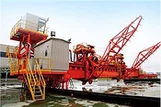
Operating a Catenary Bucket Unloader correctly is crucial for ensuring efficient and safe material handling operations in ports and industrial facilities. As a leading supplier of Catenary Bucket Unloaders, we understand the importance of providing comprehensive guidance on its proper operation. In this blog post, we will delve into the key steps and considerations for operating a Catenary Bucket Unloader effectively.
Pre - operation Checks
Before starting the Catenary Bucket Unloader, a series of pre - operation checks must be carried out to ensure its safe and reliable operation.
First, conduct a visual inspection of the entire machine. Check the structural integrity of the unloader, including the gantry, boom, and bucket chain. Look for any signs of cracks, loose bolts, or damaged components. Ensure that all safety guards are in place and securely fastened. This not only protects the operators but also prevents any foreign objects from entering the moving parts of the unloader.


Inspect the electrical system. Check the wiring for any signs of wear, damage, or exposed conductors. Make sure all electrical connections are tight and that the control panels are functioning properly. Test the emergency stop buttons to ensure they are operational. A malfunctioning electrical system can lead to serious accidents, so this step is of utmost importance.
Examine the lubrication system. Ensure that all lubrication points are properly lubricated. This includes the bearings, chains, and gears. Insufficient lubrication can cause excessive wear and tear on the components, leading to premature failure and costly repairs. Refer to the manufacturer's manual for the correct type and amount of lubricant to use.
Check the bucket chain. Inspect the buckets for any damage or excessive wear. The buckets should be firmly attached to the chain, and there should be no signs of misalignment. A damaged bucket can affect the unloading efficiency and may even cause the chain to derail.
Startup Procedure
Once the pre - operation checks are completed and everything is in order, you can proceed with the startup procedure.
Start the power supply. Switch on the main power switch and ensure that the electrical system is energized. Check the control panel for any error messages or warnings. If any issues are detected, do not proceed with the startup and address the problem immediately.
Activate the hydraulic system (if applicable). The hydraulic system is responsible for the movement of various components of the unloader, such as the boom and the bucket chain. Start the hydraulic pump and check the pressure gauges to ensure that the hydraulic pressure is within the normal range.
Initiate the bucket chain movement. Slowly start the bucket chain at a low speed. Observe the movement of the chain to ensure that it is running smoothly and without any abnormal noises or vibrations. If any problems are detected, stop the chain immediately and investigate the cause.
Raise the boom to the appropriate position. Use the control levers to raise the boom to the desired height. This will allow the buckets to reach the cargo in the ship's hold. Make sure to follow the recommended operating angles and heights specified in the manual.
Loading and Unloading Process
During the loading and unloading process, several factors need to be considered to ensure efficient and safe operation.
Position the unloader accurately. Align the boom and the buckets with the cargo in the ship's hold. This requires careful maneuvering of the unloader using the control levers. The accuracy of the positioning directly affects the unloading efficiency.
Control the speed of the bucket chain. Adjust the speed of the bucket chain according to the type and density of the cargo. For lighter and looser materials, a higher speed may be appropriate, while for heavier and more compact materials, a lower speed may be necessary. This helps to prevent overloading of the buckets and ensures a smooth unloading process.
Monitor the cargo flow. Keep an eye on the flow of the cargo from the ship's hold to the conveyor system. Ensure that the cargo is being unloaded evenly and that there are no blockages or jams. If a blockage occurs, stop the unloader immediately and clear the blockage before resuming operation.
Maintain a safe distance from the ship's structure. During the unloading process, make sure that the unloader does not come into contact with the ship's hull, hatches, or other structures. This can cause damage to both the unloader and the ship. Use the sensors and monitoring systems on the unloader to maintain a safe distance.
Shutdown Procedure
When the unloading operation is completed, it is important to follow the proper shutdown procedure.
Stop the bucket chain movement. Gradually reduce the speed of the bucket chain and then stop it completely. This helps to prevent any sudden jerks or stresses on the components.
Lower the boom to the rest position. Use the control levers to lower the boom slowly to its rest position. Make sure that the boom is securely locked in place.
Switch off the hydraulic system (if applicable). Stop the hydraulic pump and relieve the hydraulic pressure. This helps to prevent any damage to the hydraulic components during long - term storage.
Turn off the power supply. Switch off the main power switch to cut off the electrical supply to the unloader. This reduces the risk of electrical hazards and saves energy.
Maintenance and Troubleshooting
Regular maintenance is essential for the long - term performance and reliability of the Catenary Bucket Unloader. Follow the manufacturer's recommended maintenance schedule, which includes tasks such as lubrication, inspection, and replacement of worn - out components.
In case of any problems or malfunctions, it is important to have a troubleshooting plan in place. Familiarize yourself with the common problems that may occur with the unloader, such as chain derailment, bucket damage, or electrical failures. Refer to the troubleshooting section of the manual for step - by - step instructions on how to diagnose and fix these problems.
Comparison with Other Ship Unloaders
There are other types of ship unloaders available in the market, such as the Pneumatic Ship Unloader and the Screw Type Ship Unloader. Each type has its own advantages and disadvantages.
The Catenary Bucket Unloader is known for its high unloading capacity and adaptability to different types of cargo. It can handle a wide range of materials, including coal, ore, and grain. Compared to the Pneumatic Ship Unloader, which is more suitable for handling fine powders and granular materials, the Catenary Bucket Unloader can handle larger and heavier materials more efficiently.
The Screw Type Ship Unloader is often used for unloading bulk materials in a continuous manner. However, it may have limitations in terms of the type and size of the cargo it can handle. The Catenary Bucket Unloader, on the other hand, offers more flexibility in this regard.
Conclusion
Operating a Catenary Bucket Unloader correctly requires a combination of proper pre - operation checks, careful startup and shutdown procedures, and vigilant monitoring during the loading and unloading process. Regular maintenance and troubleshooting are also essential for ensuring its long - term performance and reliability.
If you are in the market for a high - quality Catenary Bucket Unloader or need more information on its operation and maintenance, we are here to help. Our team of experts can provide you with comprehensive support and guidance. Contact us to discuss your specific requirements and start a procurement negotiation today. You can visit our product page Catenary Bucket Unloader for more details.
References
- Manufacturer's Manual of Catenary Bucket Unloader
- Industry Standards for Ship Unloading Equipment
- Technical Papers on Bulk Material Handling