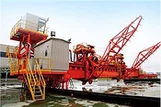
Operating a Mobile Radial Stacker safely is crucial for both the well - being of the operators and the efficiency of the overall operation. As a Mobile Radial Stacker supplier, I've seen firsthand the importance of following safety protocols. In this blog, I'll share some key tips on how to operate a Mobile Radial Stacker safely.


Pre - operation Checks
Before you even start up the Mobile Radial Stacker, there are a bunch of checks you need to do. First off, take a good look at the equipment. Check for any visible damage like cracks in the structure, bent parts, or loose bolts. You don't want to start the machine only to have something fall off mid - operation.
Next, check the conveyor belts. Make sure they're properly aligned and there are no signs of excessive wear. The belts are a vital part of the stacker, as they're responsible for moving the materials. A worn - out belt can slip or break, which can cause all sorts of problems. You can find more details about our Mobile Radial Stacker on our website Mobile Radial Stacker.
The hydraulic system is another area to focus on. Check the fluid levels and look for any signs of leaks. Hydraulic systems are what allow the stacker to move and adjust its position, so they need to be in top shape. Also, check the electrical components. Ensure all the wires are intact and there are no exposed connections. Faulty electrical parts can lead to short - circuits or even fires.
Operator Training
One of the most important aspects of safe operation is having a well - trained operator. An untrained person behind the controls of a Mobile Radial Stacker is a recipe for disaster. Operators should be trained on how to start and stop the machine properly. They need to know the functions of all the controls, from the joysticks that move the stacker to the buttons that control the conveyor speed.
Training should also cover emergency procedures. In case something goes wrong, the operator needs to know how to quickly shut down the machine and take appropriate action. For example, if there's a blockage in the conveyor, the operator should know how to safely clear it without getting injured. We recommend regular refresher courses for operators to keep their skills sharp.
Worksite Preparation
The worksite where the Mobile Radial Stacker will be operating also needs to be prepared. First, make sure the ground is level and stable. An uneven surface can cause the stacker to tip over, which is extremely dangerous. Remove any obstacles from the area, such as rocks, debris, or other equipment.
If the worksite is in an area with a lot of traffic, set up proper barriers and warning signs. This will help prevent other vehicles or people from accidentally getting too close to the stacker. Also, make sure there's enough space for the stacker to move freely. It needs room to rotate and extend its boom without hitting anything.
Loading and Unloading
When it comes to loading and unloading materials, there are some important safety rules to follow. First, never overload the stacker. Each Mobile Radial Stacker has a maximum load capacity, and exceeding this can cause the machine to malfunction or even collapse. Make sure the materials are evenly distributed on the conveyor belts to prevent uneven stress on the machine.
During the loading process, keep a safe distance from the conveyor. Objects can fall off the belt unexpectedly, and you don't want to get hit. If you need to adjust the position of the materials on the belt, use appropriate tools instead of your hands.
Operation and Movement
Once the Mobile Radial Stacker is up and running, the operator needs to be careful when moving the machine. When rotating the stacker, do it slowly and steadily. Sudden movements can cause the materials on the belt to shift and potentially fall off. Also, be aware of the stacker's clearance when moving it around. Make sure there's enough space between the stacker and other objects.
When extending or retracting the boom, follow the manufacturer's instructions. The boom is a large and heavy part of the stacker, and improper operation can lead to it getting stuck or even breaking. If you notice any strange noises or vibrations during operation, stop the machine immediately and investigate the cause.
Maintenance and Inspection
Regular maintenance and inspection are essential for the safe operation of the Mobile Radial Stacker. Set up a maintenance schedule and stick to it. This should include tasks like lubricating moving parts, checking the condition of the belts, and inspecting the hydraulic and electrical systems.
Inspections should be done both internally and externally. Internally, check the components inside the machine, such as the motors and gears. Externally, look for any signs of damage or wear on the frame and the conveyor. By catching problems early, you can prevent them from turning into major issues.
Additional Equipment Considerations
In some cases, you might use additional equipment along with the Mobile Radial Stacker, such as a Tracked Bulk Reception Feeder or a Wheeled Bulk Reception Feeder. If you do, make sure they're compatible with the stacker and are also operating safely.
These feeders are used to supply materials to the stacker, so they need to be in good working order. Check the connection between the feeder and the stacker to ensure it's secure. Also, follow the safety guidelines for the feeders, such as proper loading and maintenance.
Safety Culture
Finally, creating a safety culture at the worksite is crucial. Everyone, from the operators to the management, should be committed to safety. Encourage employees to report any safety concerns or near - misses. This way, you can address potential issues before they turn into accidents.
Hold regular safety meetings to discuss safety procedures and any new developments in the operation of the Mobile Radial Stacker. Provide safety gear, such as hard hats, safety glasses, and steel - toed boots, and make sure everyone wears them.
In conclusion, operating a Mobile Radial Stacker safely requires a combination of pre - operation checks, proper training, worksite preparation, careful operation, regular maintenance, and a strong safety culture. If you're interested in purchasing a Mobile Radial Stacker or have any questions about our products, feel free to reach out for a procurement discussion.
References
- Industry standards for mobile equipment safety
- Manufacturer's operation and maintenance manuals for Mobile Radial Stackers