Hey there! As a supplier of Fixed Swing Ship Loaders, I've seen firsthand how crucial it is to optimize the loading path. It's not just about getting the job done; it's about doing it efficiently, safely, and cost - effectively. In this blog, I'll share some tips and insights on how you can make the most out of your Fixed Swing Ship Loader's loading path.
Understanding the Basics of a Fixed Swing Ship Loader
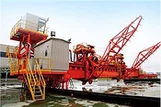
First off, let's quickly go over what a Fixed Swing Ship Loader is. It's a piece of equipment used in ports and other maritime facilities to transfer bulk materials like coal, grains, or ores from storage areas onto ships. It has a fixed base and a swinging boom that can be adjusted to reach different parts of the ship's cargo hold.
The loading path is the route that the bulk material takes from the point of origin (usually a hopper or feeder) to the ship's cargo hold. Optimizing this path can significantly improve the overall performance of the loading operation.
Assessing Your Current Loading Path
The first step in optimization is to take a good look at your current setup. You need to understand how the material is currently being moved, where bottlenecks occur, and what factors might be slowing down the process.
- Identify the starting point: This is usually where the bulk material is stored or prepared. It could be a Fixed Bulk Ship Loader, a Wheeled Bulk Reception Feeder, or Mobile Hopper Feeders. Make sure that these equipment are in good working condition and are properly sized for the volume of material you need to load.
- Trace the material flow: Follow the path of the material as it moves from the starting point to the ship. Look for any areas where the material might be getting stuck, spilling, or causing congestion. This could be due to issues like misaligned conveyors, worn - out belts, or incorrect chute angles.
- Consider the ship's layout: The design and size of the ship's cargo hold can have a big impact on the loading path. Different ships may require different approaches to ensure even and efficient loading. For example, some large cargo holds may need multiple passes or different angles of the loader's boom.
Optimizing the Physical Layout
Once you've assessed your current situation, it's time to start making some changes to the physical layout of the loading path.


- Conveyor alignment: Ensure that all conveyors are properly aligned. Misaligned conveyors can cause the material to spill off the sides, leading to waste and increased cleaning efforts. A conveyor that is not set at the correct angle can also slow down the flow of material.
- Chute design: The chutes used to direct the material from the conveyor to the ship's hold play a crucial role. Make sure they are of the right size and shape to prevent clogging and to ensure a smooth flow of material. You may need to experiment with different chute designs to find the one that works best for your specific application.
- Boom positioning: The swinging boom of the Fixed Swing Ship Loader needs to be positioned correctly. This means finding the optimal angle and height to reach different parts of the ship's cargo hold. You may want to use a computer - assisted system to help you with boom positioning, as this can provide more accurate and consistent results.
Streamlining the Loading Process
In addition to the physical layout, you can also optimize the loading process itself.
- Automation: Implementing automation in your loading process can greatly improve efficiency. For example, you can use sensors to detect the level of material in the ship's hold and automatically adjust the speed of the conveyor or the position of the boom. This reduces the need for manual intervention and ensures a more consistent loading rate.
- Loading sequence: Develop a well - thought - out loading sequence. This could involve loading different sections of the ship's hold in a specific order to ensure proper weight distribution and stability. You may also want to consider loading multiple ships simultaneously if your facility allows for it.
- Maintenance routine: Regular maintenance is essential for keeping your equipment in top condition. A well - maintained Fixed Swing Ship Loader is less likely to break down, which means fewer interruptions to the loading process. Schedule regular inspections and repairs to keep everything running smoothly.
Safety Considerations
Optimizing the loading path is not just about efficiency; it's also about safety.
- Worker training: Make sure that all workers involved in the loading operation are properly trained. They should know how to operate the equipment safely and be aware of potential hazards. This includes things like wearing appropriate safety gear, following proper procedures for handling the material, and knowing what to do in case of an emergency.
- Safety barriers: Install safety barriers around the loading area to prevent workers from getting too close to moving parts or falling off elevated platforms. These barriers should be clearly marked and in good condition.
- Emergency response plan: Have a detailed emergency response plan in place. This should include procedures for dealing with fires, spills, and equipment malfunctions. All workers should be familiar with the plan and know their roles in an emergency situation.
Cost - Benefit Analysis
When optimizing the loading path, it's important to consider the cost - benefit ratio.
- Initial investment: Some of the optimization measures, such as implementing automation or upgrading equipment, may require a significant initial investment. However, you need to look at the long - term benefits. For example, an automated system may reduce labor costs and increase loading efficiency, which can lead to significant savings over time.
- Operating costs: Consider how the changes will affect your operating costs. Will the new layout or process require more energy? Will it lead to increased maintenance costs? Make sure to factor in all these costs when making your decision.
- Return on investment (ROI): Calculate the expected ROI for each optimization measure. This will help you prioritize which changes are most worth making. You can use historical data and industry benchmarks to estimate the potential savings and increased productivity.
Conclusion
Optimizing the loading path of a Fixed Swing Ship Loader is a complex but rewarding process. By understanding your current setup, making changes to the physical layout, streamlining the process, considering safety, and doing a cost - benefit analysis, you can significantly improve the efficiency, safety, and cost - effectiveness of your loading operation.
If you're interested in learning more about our Fixed Swing Ship Loaders or need help with optimizing your loading path, we'd love to have a chat. Just reach out to us, and we'll be happy to assist you in finding the best solutions for your specific needs.
References
- Several industry - standard textbooks on bulk material handling and port operations
- Research papers on the optimization of loading processes in maritime facilities
- Performance data and case studies from our own experiences as a Fixed Swing Ship Loader supplier