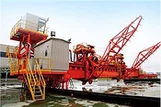
As a supplier of Cantilever Chain Reclaimers, I understand the importance of optimizing the performance of these machines. A well - optimized Cantilever Chain Reclaimer can significantly enhance the efficiency of bulk material handling operations, reduce downtime, and ultimately lower operational costs. In this blog, I will share some practical strategies to optimize the performance of a Cantilever Chain Reclaimer.
Regular Maintenance and Inspections
Maintenance and inspections are the cornerstones of optimizing the performance of a Cantilever Chain Reclaimer. Regular maintenance helps in the early detection of potential issues, preventing them from escalating into major problems that could disrupt operations.
Firstly, the chain system is a critical component of the Cantilever Chain Reclaimer. The chains should be inspected regularly for wear, stretching, and proper tension. Over - time, chains can wear out due to continuous use and friction. If the chain is too loose, it may cause slippage, which can lead to uneven material reclamation and reduced efficiency. On the other hand, if the chain is too tight, it can put excessive stress on the sprockets and other components, leading to premature failure. Adjusting the chain tension according to the manufacturer's specifications is essential.
Secondly, the bearings in the reclaimer also need regular attention. Bearings support the moving parts of the machine and ensure smooth operation. Lubricating the bearings at the recommended intervals is crucial to reduce friction and prevent overheating. Inspecting the bearings for signs of damage, such as excessive play or noise, can help in identifying potential failures early. Replacing worn - out bearings promptly can prevent more significant problems and keep the reclaimer running smoothly.
In addition to the chain and bearings, other components like the drive motors, gearboxes, and conveyor belts should also be inspected regularly. Check the motor for proper alignment, electrical connections, and cooling. The gearbox should be checked for oil levels, leaks, and proper gear meshing. For the conveyor belts, look for signs of wear, tear, and misalignment.
Operator Training
Well - trained operators are key to optimizing the performance of a Cantilever Chain Reclaimer. Operators should have a thorough understanding of the machine's operation, controls, and safety procedures.
Training should cover the basic functions of the reclaimer, such as starting, stopping, and adjusting the speed. Operators should also be taught how to operate the reclaimer in different material conditions. For example, different types of bulk materials may require different operating speeds and chain tensions. Understanding these nuances can help in achieving more efficient material reclamation.
Safety training is equally important. Operators should be aware of the potential hazards associated with the reclaimer, such as moving parts, electrical systems, and dust exposure. They should know how to use personal protective equipment (PPE) correctly and follow safety protocols. A safe working environment not only protects the operators but also ensures the continuous and efficient operation of the reclaimer.
Moreover, providing operators with training on troubleshooting common problems can reduce downtime. Operators who can quickly identify and address minor issues, such as a jammed chain or a loose belt, can prevent the problem from escalating and keep the reclaimer in operation.
Material Management
The type and characteristics of the bulk material being reclaimed can have a significant impact on the performance of the Cantilever Chain Reclaimer. Understanding the material properties and managing them effectively can optimize the reclaimer's performance.
Some materials may be more abrasive than others, which can cause faster wear on the chain, sprockets, and other components. For abrasive materials, using wear - resistant materials for critical components can extend their lifespan. Additionally, adjusting the operating parameters of the reclaimer, such as the speed and chain tension, can help in reducing the wear caused by abrasive materials.
The moisture content of the material also matters. Excessively wet materials can cause clogging in the reclaimer, reducing its efficiency. In such cases, pre - drying the material or using a reclaimer design that is more suitable for wet materials can be considered.
Proper stockpiling of the material is another important aspect of material management. A well - organized stockpile ensures that the reclaimer can access the material evenly. Uneven stockpiles can cause the reclaimer to work harder in some areas and may lead to uneven wear on the machine.
Upgrading and Modernization
As technology advances, upgrading and modernizing the Cantilever Chain Reclaimer can significantly improve its performance.
One area where upgrading can be beneficial is the control system. Modern control systems offer more precise control over the reclaimer's operation. They can adjust the speed, chain tension, and other parameters in real - time based on the material conditions and the reclamation requirements. This can lead to more efficient material handling and reduced energy consumption.
Another aspect is the use of advanced sensors. Sensors can be installed on the reclaimer to monitor various parameters, such as the chain tension, bearing temperature, and material flow. The data collected by these sensors can be analyzed to detect potential problems early and optimize the operation of the reclaimer.
Upgrading the chain and sprocket design can also enhance performance. Newer chain designs may offer better wear resistance and higher strength, while improved sprocket designs can ensure more efficient power transmission.
Integration with Other Equipment
A Cantilever Chain Reclaimer is often part of a larger bulk material handling system. Integrating it effectively with other equipment, such as Stationary Stacking Conveyors, can optimize the overall performance of the system.
Proper alignment and synchronization between the reclaimer and the conveyors are essential. The speed of the reclaimer and the conveyors should be coordinated to ensure a smooth flow of materials. If the reclaimer is reclaiming material faster than the conveyor can handle, it can cause material spillage. On the other hand, if the conveyor is moving too fast compared to the reclaimer, it can lead to an inconsistent material flow.
Integrating the control systems of the reclaimer and the conveyors can also improve efficiency. This allows for centralized control and monitoring of the entire material handling process, making it easier to adjust the operation based on the overall requirements.


Conclusion
Optimizing the performance of a Cantilever Chain Reclaimer requires a comprehensive approach that includes regular maintenance, operator training, material management, upgrading, and integration with other equipment. By implementing these strategies, you can enhance the efficiency, reliability, and longevity of your Cantilever Chain Reclaimer.
If you are looking to improve the performance of your Cantilever Chain Reclaimer or are considering purchasing a new one, we are here to help. Our team of experts can provide you with customized solutions based on your specific requirements. Contact us to start a discussion about how we can optimize your bulk material handling operations.
References
- Bulk Material Handling Handbook.
- Manufacturer's manuals for Cantilever Chain Reclaimers.
- Industry research papers on material handling equipment optimization.