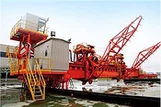
Hey there! As a supplier of Screw Type Ship Unloaders, I've seen firsthand how crucial an optimized unloading process is for efficiency and cost - effectiveness in the shipping and logistics industry. In this blog, I'm gonna share some tips on how to optimize the unloading process of a screw type ship unloader.
Understanding the Basics of Screw Type Ship Unloaders
First things first, let's quickly go over what a screw type ship unloader is. It's a piece of equipment that uses rotating screws to pick up and transport bulk materials like grains, coal, and minerals from the hold of a ship to the shore. The screw design allows for a continuous and relatively gentle handling of the materials, which is great for minimizing damage.
Pre - Unloading Preparation
Inspection and Maintenance
Before you start the unloading process, a thorough inspection of the screw type ship unloader is a must. Check the screws for any signs of wear and tear. If there are any damaged parts, replace them right away. You don't want a breakdown in the middle of the unloading process. Also, lubricate all the moving parts to ensure smooth operation.
Material Assessment
Understand the characteristics of the material you're unloading. Different materials have different flow properties. For example, fine - grained materials like cement might flow more easily than coarse - grained ones like gravel. Based on this, you can adjust the speed and settings of the unloader.


Ship Positioning
Make sure the ship is properly positioned alongside the dock. An improper position can lead to uneven unloading, which can cause stress on the unloader and the ship itself. Use the ship's mooring system to secure it firmly and align it with the unloader.
Optimizing the Unloading Process
Speed Control
One of the key factors in optimizing the unloading process is controlling the speed of the screw. Running the screw too fast can cause the material to clog, while running it too slow can make the process inefficient. You need to find the sweet spot. Start with a moderate speed and gradually adjust it based on the flow rate of the material. If you notice that the material is flowing smoothly, you can increase the speed a bit. But if there are signs of clogging, slow it down immediately.
Feeding Mechanism
The feeding mechanism of the screw type ship unloader is crucial. Ensure that the material is evenly fed into the screw. Uneven feeding can lead to imbalanced loads on the screw, which can cause premature wear and tear. You can use a vibrating feeder or a conveyor belt to ensure a consistent flow of material into the unloader.
Dust Control
Unloading bulk materials can generate a lot of dust, which is not only a health hazard but can also cause damage to the equipment. Install dust collection systems around the unloader. These systems can capture the dust particles and prevent them from spreading into the environment. You can also use water sprays to suppress the dust at the source.
Post - Unloading Considerations
Cleaning
After the unloading is complete, clean the screw type ship unloader thoroughly. Remove any remaining material from the screws and the hopper. This helps to prevent corrosion and ensures that the unloader is ready for the next use.
Data Analysis
Keep track of the unloading process data. Analyze factors like the unloading time, the amount of material unloaded, and any issues that occurred during the process. This data can help you identify areas for improvement and make adjustments for future unloading operations.
Comparison with Other Types of Ship Unloaders
It's also worth comparing screw type ship unloaders with other types like the Boom Jib, Catenary Bucket Unloader, and Chain Bucket Ship Unloader.
Boom jib unloaders are known for their flexibility in reaching different parts of the ship's hold. However, they might not be as efficient for handling large volumes of fine - grained materials as screw type unloaders. Catenary bucket unloaders are great for high - capacity unloading but can be more complex to operate and maintain. Chain bucket ship unloaders are suitable for handling heavy and abrasive materials, but they can be quite noisy.
Screw type ship unloaders offer a good balance between efficiency, simplicity, and gentle material handling. They are relatively easy to operate and maintain, making them a popular choice for many shipping operations.
Conclusion
Optimizing the unloading process of a screw type ship unloader involves a combination of pre - unloading preparation, proper operation during unloading, and post - unloading maintenance. By following these tips, you can improve the efficiency, reduce the cost, and extend the lifespan of your unloader.
If you're in the market for a screw type ship unloader or want to learn more about how to optimize your existing equipment, don't hesitate to reach out. We're here to help you make the most of your shipping and unloading operations.
References
- Shipping Industry Best Practices Handbook
- Bulk Material Handling Equipment Manuals
- Research Papers on Ship Unloading Efficiency