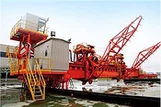
Hey there! As a supplier of Stacker Reclaimers, I've seen my fair share of material spillage issues. It's not just a messy problem; it can also lead to significant losses in productivity and increased costs. So, today, I'm gonna share some tips on how to prevent material spillage in a Stacker Reclaimer.
Understanding the Causes of Material Spillage
Before we dive into the prevention methods, it's important to understand what causes material spillage in the first place. There are several factors that can contribute to this issue:
- Improper Belt Tracking: If the conveyor belt isn't properly aligned, it can cause the material to spill off the sides. This can be due to worn-out pulleys, misaligned idlers, or uneven tension in the belt.
- Excessive Material Load: Overloading the conveyor belt can cause the material to overflow and spill. This can happen if the feed rate is too high or if the material is too dense.
- Worn-Out Components: As the Stacker Reclaimer ages, its components can wear out, such as the belt, pulleys, and skirts. This can lead to gaps and openings where the material can escape.
- Poor Sealing: If the seals around the conveyor belt and other components aren't tight, the material can leak out. This can be due to damaged seals or improper installation.
Preventive Measures
Now that we know what causes material spillage, let's look at some preventive measures that you can take:
- Regular Maintenance: One of the most important things you can do to prevent material spillage is to perform regular maintenance on your Stacker Reclaimer. This includes checking the belt tension, aligning the pulleys and idlers, and replacing worn-out components. By keeping your equipment in good condition, you can reduce the risk of spillage.
- Proper Belt Tracking: As I mentioned earlier, improper belt tracking is a common cause of material spillage. To ensure proper belt tracking, you should regularly check the alignment of the pulleys and idlers and adjust them as needed. You can also use belt tracking devices to help keep the belt centered.
- Optimal Material Loading: To prevent overloading the conveyor belt, you should carefully control the feed rate and ensure that the material is evenly distributed across the belt. You can use feeders and conveyors to regulate the flow of material and prevent it from piling up in one area.
- Upgraded Sealing Systems: Investing in high-quality sealing systems can help prevent material from leaking out of the conveyor belt and other components. There are several types of seals available, such as rubber seals, brush seals, and labyrinth seals. Choose the one that best suits your needs and ensure that it is properly installed.
- Training and Education: Proper training and education of your operators is essential for preventing material spillage. Make sure that your operators are familiar with the equipment and know how to operate it safely and efficiently. Provide them with regular training on maintenance procedures, belt tracking, and material loading to ensure that they are up-to-date on the latest best practices.
Case Study: Bauxite Ship Loader
Let's take a look at a real-world example of how these preventive measures can be applied. We recently worked with a customer who was experiencing significant material spillage issues with their Bauxite Ship Loader. The customer was losing a large amount of bauxite during the loading process, which was not only costly but also causing environmental concerns.
After conducting a thorough inspection of the equipment, we identified several issues that were contributing to the spillage. The belt was misaligned, the seals were worn out, and the feed rate was too high. We recommended a series of preventive measures, including:
- Belt Alignment: We realigned the belt and installed belt tracking devices to ensure that it remained centered.
- Seal Replacement: We replaced the worn-out seals with high-quality rubber seals to prevent material from leaking out.
- Feed Rate Adjustment: We adjusted the feed rate to ensure that the material was evenly distributed across the belt and not overloading it.
After implementing these measures, the customer saw a significant reduction in material spillage. They were able to save money on lost material and improve their environmental performance.
Conclusion
Preventing material spillage in a Stacker Reclaimer is essential for maintaining productivity, reducing costs, and protecting the environment. By understanding the causes of spillage and implementing the preventive measures outlined in this blog post, you can minimize the risk of spillage and ensure that your equipment operates safely and efficiently.
If you're experiencing material spillage issues with your Stacker Reclaimer or if you're interested in learning more about our products and services, please don't hesitate to contact us. We'd be happy to help you find the right solution for your needs.

References
- "Conveyor Belt Maintenance Guide." Conveyor Belt Association International.
- "Preventing Material Spillage in Bulk Handling Systems." Bulk Solids Handling Magazine.
- "Best Practices for Stacker Reclaimer Operation." Mining Engineering Journal.