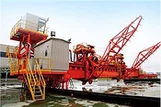
As a supplier of Link Conveyors, I understand the challenges that come with maintaining these essential pieces of equipment, especially when they are used in outdoor environments. Rusting is one of the most common and troublesome issues that can significantly reduce the lifespan and efficiency of link conveyors. In this blog post, I will share some effective strategies to prevent rusting of link conveyors in outdoor settings.
Understanding the Causes of Rusting
Before we delve into the prevention methods, it's crucial to understand what causes rusting. Rust is the result of a chemical reaction called oxidation, which occurs when iron or steel (common materials used in link conveyors) comes into contact with oxygen and water. In outdoor environments, factors such as rain, humidity, and even condensation can provide the necessary moisture for this reaction to take place. Additionally, pollutants in the air, such as sulfur dioxide and nitrogen oxides, can accelerate the rusting process.
Choose the Right Materials
One of the first steps in preventing rust is to select the appropriate materials for your link conveyors. Stainless steel is an excellent choice as it contains chromium, which forms a thin, protective layer on the surface of the metal. This layer prevents oxygen and water from reaching the underlying metal, thus inhibiting rust formation. While stainless steel may be more expensive than regular steel, its long - term durability and resistance to rust make it a cost - effective option, especially for outdoor applications.
Another option is to use galvanized steel. Galvanization involves coating the steel with a layer of zinc. Zinc is more reactive than iron, so when the zinc coating is exposed to oxygen and water, it corrodes first, sacrificing itself to protect the underlying steel. Galvanized steel is widely used in outdoor equipment due to its good corrosion resistance and relatively low cost.
Apply Protective Coatings
In addition to using rust - resistant materials, applying protective coatings can provide an extra layer of defense against rust. There are several types of coatings available, each with its own advantages.
- Paint: A high - quality paint can act as a barrier between the metal surface and the environment. Epoxy paints are particularly suitable for outdoor link conveyors as they are durable, resistant to chemicals, and can withstand harsh weather conditions. Before applying paint, it's essential to clean the conveyor surface thoroughly to remove any dirt, grease, or rust. Sandblasting or wire brushing can be used to achieve a clean and rough surface, which helps the paint adhere better.
- Powder Coating: Powder coating is a dry finishing process where a fine powder is electrostatically applied to the metal surface and then heated to form a hard, protective layer. Powder coatings are more durable than traditional paints and offer excellent resistance to chipping, scratching, and corrosion. They also come in a wide range of colors, allowing for customization.
Regular Cleaning and Maintenance
Regular cleaning is vital for preventing rust. Dirt, debris, and moisture can accumulate on the surface of the link conveyor, creating an environment conducive to rust formation. Use a mild detergent and water to clean the conveyor regularly, and then dry it thoroughly. Pay special attention to areas where water may collect, such as joints and crevices.
Inspection is also an important part of maintenance. Regularly check the conveyor for signs of rust, such as discoloration or flaking paint. If rust is detected early, it can be removed using a wire brush or sandpaper, and then the affected area can be repainted or treated with a rust inhibitor.


Control the Environment
Although it's not always possible to control the outdoor environment completely, there are some measures that can be taken to reduce the risk of rusting.
- Sheltering: If possible, provide a shelter or cover for the link conveyor. A simple roof or shed can protect the conveyor from direct exposure to rain and snow, significantly reducing the amount of moisture it comes into contact with.
- Ventilation: Good ventilation helps to reduce humidity around the conveyor. Ensure that the area where the conveyor is located has adequate air circulation to prevent the build - up of moisture.
Use Rust Inhibitors
Rust inhibitors are chemical compounds that can be applied to the metal surface to prevent or slow down the rusting process. There are different types of rust inhibitors, including film - forming inhibitors and vapor - phase inhibitors.
- Film - Forming Inhibitors: These inhibitors form a thin film on the metal surface, which acts as a barrier against oxygen and water. They can be applied as a liquid or a spray and are suitable for protecting exposed metal parts.
- Vapor - Phase Inhibitors (VPIs): VPIs release volatile compounds that form a protective layer on the metal surface. They are particularly useful for protecting enclosed or hard - to - reach areas of the conveyor.
Proper Storage
When the link conveyor is not in use, proper storage is essential to prevent rusting. Store the conveyor in a dry, clean area, and cover it with a protective tarp. If possible, elevate the conveyor off the ground to prevent it from coming into contact with damp soil.
Related Products
In addition to link conveyors, we also offer a range of other high - quality equipment for bulk material handling. Check out our Tracked Bulk Reception Feeder, Mobile Radial Stacker, and Mobile Hopper Feeders. These products are designed to meet the diverse needs of our customers in outdoor environments.
Conclusion
Preventing rusting of link conveyors in outdoor environments requires a combination of material selection, protective coatings, regular maintenance, and environmental control. By following these strategies, you can extend the lifespan of your link conveyors, reduce maintenance costs, and ensure their reliable operation. If you are interested in purchasing link conveyors or have any questions about rust prevention, please feel free to contact us for more information and to start a procurement discussion.
References
- ASTM International. (2023). Standards related to corrosion resistance of metals.
- NACE International. (2023). Corrosion prevention best practices.
- Manufacturer's guides for link conveyors and related equipment.