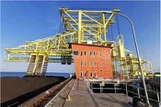
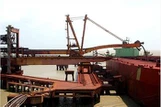
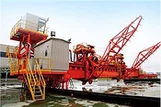
In the dynamic world of maritime logistics, the efficient and safe operation of ship loaders is of paramount importance. As a leading ship loader supplier, we understand the critical role that these machines play in the loading process. One aspect that cannot be overlooked is the emergency shutdown procedures. These procedures serve as a safety net, protecting both personnel and equipment in case of unforeseen circumstances. In this blog, we will delve into the emergency shutdown procedures for a ship loader, providing a comprehensive guide for operators and stakeholders.
Understanding the Importance of Emergency Shutdown Procedures
Emergency shutdown procedures are not just a set of rules; they are a safety protocol that can prevent accidents, minimize damage, and save lives. In the context of a ship loader, an emergency can arise from various sources, such as mechanical failures, electrical malfunctions, structural issues, or human errors. Having a well - defined emergency shutdown procedure ensures that the ship loader can be stopped quickly and safely when necessary.
Key Components of a Ship Loader
Before we dive into the emergency shutdown procedures, it's essential to understand the key components of a ship loader. These components include the conveyor system, the boom and jib structure, the loading spout, and the control panel. Each part plays a crucial role in the overall operation of the ship loader. For instance, the Boom Jib provides the necessary reach and flexibility to load cargo into different areas of a ship. The conveyor system transports the cargo from the storage area to the ship, and the loading spout controls the flow of the cargo into the ship's hold.


Pre - Shutdown Checks
Before initiating an emergency shutdown, operators should perform a few pre - shutdown checks if time permits. These checks can help determine the nature and severity of the emergency. Firstly, the operator should visually inspect the equipment for any obvious signs of damage, such as broken belts, leaking fluids, or unusual vibrations. Secondly, the operator should check the control panel for any error messages or alarms. These messages can provide valuable information about the source of the problem.
Emergency Shutdown Steps
- Immediate Response: In case of an emergency, the first step is to activate the emergency stop button. This button is usually located in a prominent position on the control panel and at various strategic points around the ship loader. Once pressed, it will cut off the power supply to all the major components of the ship loader, including the conveyor motors, the boom and jib drives, and the loading spout controls.
- Isolate the Equipment: After activating the emergency stop button, the operator should isolate the ship loader from the power source. This involves switching off the main circuit breaker and any other relevant switches. Isolating the equipment ensures that there is no risk of electrical shock or accidental restart.
- Secure the Cargo: If cargo is being loaded at the time of the emergency, the operator should take steps to secure it. This may involve closing the loading spout, stopping the conveyor system, and ensuring that the cargo does not pose a hazard to personnel or the ship.
- Notify the Relevant Parties: Once the ship loader has been shut down, the operator should immediately notify the relevant parties. This includes the ship's captain, the terminal manager, and the maintenance team. The ship's captain needs to be informed so that they can take appropriate action to ensure the safety of the ship and its crew. The terminal manager can coordinate the response and arrange for any necessary repairs. The maintenance team can assess the damage and start the repair process.
Different Types of Emergencies and Their Responses
- Mechanical Failures: Mechanical failures can occur in various parts of the ship loader, such as the conveyor system, the boom and jib, or the loading spout. If a mechanical failure is detected, the operator should activate the emergency stop button and isolate the equipment. After that, the maintenance team should be called to assess the damage. Depending on the severity of the failure, the ship loader may need to be partially or completely dismantled for repair.
- Electrical Malfunctions: Electrical malfunctions can pose a serious risk of fire and electrical shock. If an electrical problem is detected, such as a short circuit or a power surge, the operator should immediately activate the emergency stop button and isolate the power source. The electrical maintenance team should then be called to diagnose and fix the problem.
- Structural Issues: Structural issues, such as cracks or deformations in the boom and jib structure, can compromise the stability of the ship loader. In case of a structural emergency, the operator should activate the emergency stop button and move the equipment to a safe position if possible. The structural integrity of the ship loader should then be evaluated by a qualified engineer, and appropriate repair or replacement measures should be taken.
Post - Shutdown Procedures
After the emergency has been resolved and the ship loader has been repaired, there are several post - shutdown procedures that need to be followed. Firstly, a thorough inspection of the entire ship loader should be carried out to ensure that all components are in good working condition. This inspection should include a check of the mechanical, electrical, and structural components. Secondly, the ship loader should be tested under a light load to ensure that it operates smoothly. Finally, a report should be prepared documenting the details of the emergency, the actions taken, and the results of the inspection and testing.
Training and Drills
Proper training and regular drills are essential for ensuring that operators are familiar with the emergency shutdown procedures. Operators should receive comprehensive training on the operation of the ship loader, including the emergency shutdown procedures. They should also participate in regular emergency drills to practice their response in a simulated emergency situation. These drills help to improve the operators' reaction time and ensure that they can perform the emergency shutdown procedures correctly.
Our Role as a Ship Loader Supplier
As a ship loader supplier, we are committed to providing our customers with high - quality equipment and comprehensive support. We offer detailed manuals and training programs on emergency shutdown procedures for all our ship loaders. Our technical support team is available 24/7 to assist customers in case of an emergency. We also provide regular maintenance services to ensure that the ship loaders are in optimal condition, reducing the risk of emergencies.
If you are in the market for a reliable ship loader or need more information about our emergency shutdown procedures, we encourage you to reach out to us. We are happy to have a detailed discussion with you about your specific requirements and provide you with the best solutions. Our team of experts is here to guide you through the procurement process and ensure that you make the right choice for your business.
References
- Maritime Safety Regulations, International Maritime Organization
- Ship Loader Operation and Maintenance Manuals
- Technical Standards for Ship Loaders by Industry Associations