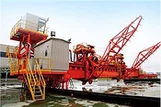
What are the environmental impacts of using stationary conveyors?
As a supplier of stationary conveyors, I've witnessed firsthand the widespread use of these systems across various industries. Stationary conveyors are essential for transporting bulk materials such as coal, ore, grains, and aggregates efficiently. However, like any industrial equipment, they have environmental impacts that need to be carefully considered. In this blog, I'll explore the environmental implications of using stationary conveyors and discuss ways to mitigate these effects.
Air Pollution
One of the most significant environmental impacts of stationary conveyors is air pollution. During the operation of conveyors, especially when handling dry and powdery materials, dust emissions can occur. These dust particles can contain harmful substances such as heavy metals, silica, and other pollutants. When inhaled, they can cause respiratory problems, including lung diseases and asthma, for workers and nearby communities.
Dust emissions typically occur at transfer points, where materials are moved from one conveyor to another, and at loading and unloading areas. The movement of materials on the conveyor belt can also generate dust, especially if the belt is not properly sealed or if the material is dry and prone to dusting.
To reduce dust emissions, several measures can be taken. For example, using enclosed conveyors can significantly minimize the release of dust into the air. Enclosed conveyors are designed with covers or housings that prevent dust from escaping. Additionally, installing dust suppression systems, such as water sprays or misting devices, can help to wet the materials and reduce the amount of dust generated. These systems can be particularly effective at transfer points and loading/unloading areas.
Another approach is to use conveyor belts with better sealing mechanisms. Modern conveyor belts are often equipped with side skirts and seals that prevent dust from leaking out from the edges of the belt. Regular maintenance of the conveyor system, including checking for worn-out seals and replacing them as needed, is also crucial to ensure proper dust containment.
Noise Pollution
Stationary conveyors can also contribute to noise pollution. The operation of conveyor motors, rollers, and other moving parts generates noise, which can be a nuisance to workers and nearby residents. Prolonged exposure to high levels of noise can cause hearing loss, stress, and other health problems.
The level of noise produced by a conveyor system depends on several factors, including the type of conveyor, the speed of operation, and the nature of the materials being transported. For example, conveyors handling heavy and abrasive materials may produce more noise than those handling lighter materials.
To reduce noise pollution, noise control measures can be implemented. One option is to install noise barriers around the conveyor system. These barriers can absorb or reflect the sound waves, reducing the amount of noise that reaches the surrounding area. Another approach is to use low-noise conveyor components, such as quiet motors and rollers. Regular maintenance of the conveyor system, including lubricating moving parts and tightening loose components, can also help to reduce noise levels.
Energy Consumption
Energy consumption is another important environmental consideration when using stationary conveyors. Conveyor systems require a significant amount of energy to operate, especially those that are long and handle large volumes of materials. The energy is mainly used to power the conveyor motors, which drive the belts and move the materials.
The energy efficiency of a conveyor system depends on several factors, including the design of the conveyor, the type of motor used, and the operating conditions. For example, using high-efficiency motors can reduce energy consumption compared to standard motors. Additionally, optimizing the conveyor layout and reducing the length of the conveyor can also help to minimize energy usage.
Another way to improve energy efficiency is to implement variable speed drives (VSDs) on the conveyor motors. VSDs allow the motor speed to be adjusted according to the actual load requirements, which can result in significant energy savings. For example, when the conveyor is not fully loaded, the motor speed can be reduced, consuming less energy.
Land Use and Habitat Disruption
The installation of stationary conveyors often requires a significant amount of land. This can lead to habitat disruption and the loss of natural areas. Conveyor systems may need to be built through forests, wetlands, or other sensitive ecosystems, which can have a negative impact on the local flora and fauna.
To minimize the impact on land use and habitats, careful planning is required. Before installing a conveyor system, an environmental impact assessment should be conducted to identify any potential ecological risks. The conveyor route should be carefully chosen to avoid sensitive areas as much as possible. If it is necessary to cross a sensitive area, mitigation measures such as habitat restoration or compensation should be implemented.
Water Pollution
Although less common than air and noise pollution, stationary conveyors can also contribute to water pollution. If the materials being transported contain pollutants, such as heavy metals or chemicals, and these materials are washed into nearby water bodies during rainfall or through improper waste disposal, it can contaminate the water.
To prevent water pollution, proper waste management practices should be implemented. This includes ensuring that any spills or leaks of materials are cleaned up immediately and that waste materials are disposed of in an environmentally friendly manner. Additionally, installing runoff control measures, such as sedimentation ponds or retention basins, can help to trap any pollutants before they reach water bodies.
Our Solutions and Products
At our company, we understand the importance of minimizing the environmental impacts of our stationary conveyor products. We offer a range of innovative solutions designed to address these concerns.
Our Stationary Stacking Conveyors are designed with advanced dust suppression and containment features. These conveyors are enclosed to prevent dust emissions and are equipped with state-of-the-art dust suppression systems to keep the air clean.
For more specialized applications, our Circular Overpile Stacker Reclaimer and Circular Stacker are engineered for maximum efficiency and environmental friendliness. They are designed to minimize energy consumption while ensuring reliable operation.
Conclusion
In conclusion, while stationary conveyors play a crucial role in many industries, they do have environmental impacts that need to be addressed. By implementing appropriate mitigation measures, such as reducing dust and noise emissions, improving energy efficiency, and minimizing land use and water pollution, we can make the operation of stationary conveyors more sustainable.


As a leading supplier of stationary conveyors, we are committed to providing our customers with high-quality, environmentally friendly conveyor solutions. If you are interested in learning more about our products or have any questions regarding the environmental impacts of stationary conveyors, please don't hesitate to contact us for a detailed discussion and potential procurement.
References
- "Industrial Conveyor Systems: Design and Operation" by Andrew Smeltzer
- "Environmental Impact Assessment of Industrial Projects" by John Doe
- "Noise Control in Industrial Settings" by Jane Smith