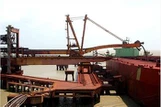
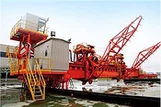
Fire prevention is a crucial aspect of operating a Bucket Wheel Stacker. As a leading supplier of Bucket Wheel Stackers, we understand the importance of implementing effective fire - prevention measures to ensure the safety and longevity of these valuable machines. In this blog, we will discuss various fire - prevention measures that can be adopted for a Bucket Wheel Stacker.
1. Regular Inspection and Maintenance
Regular inspection and maintenance are the cornerstones of fire prevention for a Bucket Wheel Stacker. Components such as electrical systems, hydraulic systems, and mechanical parts should be inspected frequently.
Electrical systems are particularly prone to causing fires. Loose connections, overloaded circuits, and damaged wiring can generate heat and sparks, which may ignite nearby combustible materials. During inspections, electricians should check for any signs of wear or damage to wires, terminals, and switches. All electrical connections should be tightened properly, and any frayed or damaged wires should be replaced immediately.
Hydraulic systems also need careful attention. Leaking hydraulic fluid can create a fire hazard as it is flammable. Inspectors should look for signs of leakage around hydraulic hoses, fittings, and cylinders. If a leak is detected, the source should be identified and repaired promptly. Additionally, the hydraulic fluid level should be checked regularly, and the fluid should be replaced according to the manufacturer's recommendations.
Mechanical parts, such as bearings, gears, and belts, should be inspected for excessive wear and tear. Worn - out parts can generate friction and heat, which may lead to a fire. Lubrication of these parts is essential to reduce friction and prevent overheating. Regularly scheduled maintenance should include lubricating bearings, checking belt tension, and inspecting gear teeth for damage.
2. Proper Storage of Combustible Materials
Bucket Wheel Stackers are often used in environments where combustible materials such as coal, wood chips, or grain are present. Proper storage of these materials is vital for fire prevention.


The storage area should be well - ventilated to prevent the accumulation of combustible dust. Dust can be a significant fire hazard as it can easily ignite and spread quickly. Installing dust collection systems can help reduce the amount of dust in the air. Additionally, the storage area should be kept clean, and any spilled materials should be cleaned up immediately.
Combustible materials should be stored at a safe distance from the Bucket Wheel Stacker. There should be clear fire breaks between the storage area and the equipment. This can help prevent a fire from spreading from the storage area to the stacker in case of an ignition.
3. Installation of Fire Detection and Suppression Systems
Installing fire detection and suppression systems is an effective way to prevent fires from causing significant damage to a Bucket Wheel Stacker.
Smoke detectors should be installed in key areas of the stacker, such as the control room, electrical cabinets, and engine compartments. These detectors can sense the presence of smoke and trigger an alarm, allowing operators to take immediate action.
Heat detectors can also be used in areas where smoke detectors may not be as effective, such as in areas with high levels of dust or steam. Heat detectors can detect an increase in temperature and alert operators if a fire is starting.
In addition to detection systems, fire suppression systems should be installed on the Bucket Wheel Stacker. Sprinkler systems can be used to extinguish fires in areas where water is a suitable extinguishing agent. For areas where water may not be appropriate, such as electrical cabinets, dry chemical fire extinguishers or carbon dioxide fire suppression systems can be installed.
4. Operator Training
Proper operator training is essential for fire prevention. Operators should be trained to recognize the signs of a potential fire, such as unusual noises, smells, or smoke. They should also be trained on how to respond in case of a fire.
Operators should know how to use the fire detection and suppression systems installed on the Bucket Wheel Stacker. They should be familiar with the location of fire extinguishers and how to operate them effectively. Additionally, operators should be trained on emergency evacuation procedures in case a fire cannot be controlled.
Regular safety training sessions should be conducted to keep operators up - to - date on fire - prevention measures and emergency response procedures. These training sessions can include practical demonstrations of using fire extinguishers and simulations of fire emergencies.
5. Selection of Fire - Resistant Materials
When designing and manufacturing Bucket Wheel Stackers, the selection of fire - resistant materials can significantly enhance fire - prevention capabilities.
For electrical components, fire - resistant insulation materials should be used. These materials can prevent the spread of fire in case of an electrical fault. In the construction of the stacker's structure, fire - resistant steel or other non - combustible materials can be used.
In the control room and other areas where operators are present, fire - resistant wall coverings and floorings can be installed. These materials can help contain a fire and prevent it from spreading quickly.
6. Use of Grounding Systems
Proper grounding of the Bucket Wheel Stacker is crucial for fire prevention. Electrical equipment can generate static electricity, which can cause sparks and ignite combustible materials. A good grounding system can help dissipate static electricity and prevent the build - up of electrical charges.
All electrical components of the stacker should be properly grounded. This includes the electrical cabinet, motors, and control systems. Grounding wires should be checked regularly to ensure they are in good condition and properly connected.
7. Fire - Prevention Policies and Procedures
Establishing clear fire - prevention policies and procedures is essential for ensuring the safety of the Bucket Wheel Stacker and its operators.
The policies should include rules regarding smoking, the use of open flames, and the operation of electrical equipment. Smoking should be strictly prohibited in the vicinity of the stacker and the storage area. The use of open flames, such as welding torches or cutting torches, should only be allowed under strict supervision and with proper safety measures in place.
Emergency response procedures should be clearly defined. Operators should know what to do in case of a fire, including how to activate the fire alarm, evacuate the area, and use fire - suppression equipment. Regular drills should be conducted to ensure that all operators are familiar with these procedures.
Types of Bucket Wheel Stackers
There are different types of Bucket Wheel Stackers available, each with its own characteristics and fire - prevention requirements.
The Bridge Bucket Wheel Stacker Reclaimer is a type of stacker - reclaimer that operates on a bridge structure. It is often used in large - scale material handling operations. Fire - prevention measures for this type of stacker should take into account its unique design, such as the electrical systems located on the bridge and the large - scale storage areas it serves.
The Cantilever Bucket Wheel Stacker has a cantilevered structure, which provides flexibility in material stacking and reclaiming. Fire - prevention for this type of stacker should focus on the electrical and mechanical systems located on the cantilever, as well as the storage area below.
The Gantry Bucket Wheel Stacker Reclaimer operates on a gantry structure and is commonly used in ports and large industrial sites. Fire - prevention measures for this type of stacker should consider the gantry's electrical systems, the movement of the stacker along the gantry, and the surrounding storage environment.
Conclusion
Implementing effective fire - prevention measures for a Bucket Wheel Stacker is essential for ensuring the safety of the equipment, its operators, and the surrounding environment. By following the measures discussed in this blog, such as regular inspection and maintenance, proper storage of combustible materials, installation of fire detection and suppression systems, and the use of fire - resistant materials, the risk of fire can be significantly reduced.
As a Bucket Wheel Stacker supplier, we are committed to providing our customers with high - quality equipment and comprehensive fire - prevention solutions. If you are interested in learning more about our Bucket Wheel Stackers or need assistance with fire - prevention measures, please feel free to contact us for further discussion and procurement opportunities.
References
- Manufacturer's manuals for Bucket Wheel Stackers
- Industry standards for fire prevention in material handling equipment
- Research papers on fire safety in industrial environments