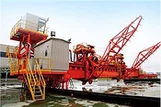
When it comes to the efficient unloading of bulk materials from ships, a Fixed Screw Ship Unloader stands out as a reliable and high - performance solution. As a supplier of Fixed Screw Ship Unloaders, I understand the importance of proper installation to ensure the equipment functions optimally. In this blog, I will delve into the installation requirements for a Fixed Screw Ship Unloader.
Site Preparation
The first step in installing a Fixed Screw Ship Unloader is thorough site preparation. The location where the unloader will be installed needs to be carefully selected. It should be close to the berthing area of the ships to minimize the distance for material transfer. The ground must be flat and stable enough to support the weight of the unloader and the dynamic loads during operation.
A detailed geotechnical survey of the site is essential. This survey will provide information about the soil type, bearing capacity, and potential settlement. Based on the survey results, appropriate foundation designs can be developed. For instance, if the soil has low bearing capacity, a deep foundation such as piles may be required. The foundation should be designed to withstand the vertical, horizontal, and torsional forces exerted by the unloader during its operation.
In addition to the foundation, the site should have sufficient space for the unloader's operation. There should be enough clearance around the unloader to allow for the movement of the boom and other components. The area should also be free from any obstacles that could interfere with the loading and unloading process.
Electrical Requirements
A Fixed Screw Ship Unloader is a power - hungry piece of equipment, and proper electrical supply is crucial for its operation. The electrical system must be designed to meet the power requirements of the unloader. This includes the power for the screw conveyor, the boom movement, and any auxiliary equipment such as dust suppression systems.
The electrical supply should be stable and have a sufficient capacity. A dedicated transformer may be required to ensure a reliable power supply. The electrical wiring should be installed in accordance with relevant electrical codes and standards. All electrical components, such as motors, switches, and control panels, should be properly grounded to prevent electrical hazards.
Moreover, an emergency stop system should be installed as part of the electrical setup. This system allows operators to quickly shut down the unloader in case of an emergency, ensuring the safety of personnel and equipment.
Structural Installation
The structural installation of the Fixed Screw Ship Unloader is a complex process that requires precision and expertise. The main structure of the unloader, including the frame, boom, and tower, needs to be assembled correctly. Each component should be carefully aligned to ensure smooth operation.


The boom is a critical part of the unloader, and its installation requires special attention. The boom should be able to rotate and lift smoothly to reach different parts of the ship's hold. The connection between the boom and the main structure should be strong and flexible enough to withstand the forces during operation. You can learn more about the Boom Jib on our website.
The screw conveyor, which is responsible for transporting the bulk materials, also needs to be installed accurately. The alignment of the screw should be checked to ensure efficient material transfer. The conveyor should be properly supported to prevent excessive vibration and wear.
Mechanical and Hydraulic Systems
The mechanical and hydraulic systems of the Fixed Screw Ship Unloader play a vital role in its operation. The mechanical components, such as gears, bearings, and belts, should be installed and lubricated correctly. Regular maintenance of these components is necessary to ensure their long - term performance.
The hydraulic system is used for functions such as boom lifting and rotation. The hydraulic pumps, cylinders, and hoses should be installed without any leaks. The hydraulic fluid should be of the correct type and maintained at the proper level. A filtration system should be in place to keep the hydraulic fluid clean and prevent damage to the components.
Safety Systems
Safety is of utmost importance when installing a Fixed Screw Ship Unloader. A variety of safety systems should be installed to protect the operators and the surrounding environment.
A fencing system should be installed around the unloader to prevent unauthorized access. The fencing should be high enough and strong enough to withstand any impact. Warning signs should be placed in prominent locations to indicate potential hazards.
A dust suppression system is also a necessary safety feature. Bulk materials such as coal, grain, and ore can generate a significant amount of dust during the unloading process. The dust suppression system helps to reduce the dust emissions, protecting the health of the operators and the environment.
Commissioning and Testing
After the installation is complete, the Fixed Screw Ship Unloader needs to undergo a comprehensive commissioning and testing process. This includes checking the electrical, mechanical, and hydraulic systems for proper functioning.
The unloader should be tested under different operating conditions to ensure its performance meets the design specifications. The material handling capacity, the speed of the screw conveyor, and the movement of the boom should be carefully monitored. Any issues or malfunctions should be identified and corrected before the unloader is put into full - scale operation.
Comparison with Other Ship Unloaders
There are different types of ship unloaders available in the market, such as Screw Type Ship Unloader and Bucket Wheel Ship Unloader. While each type has its own advantages, the Fixed Screw Ship Unloader offers unique benefits in terms of its simplicity, reliability, and low maintenance requirements.
Compared to the Bucket Wheel Ship Unloader, the Fixed Screw Ship Unloader has a more compact design and is better suited for unloading materials in confined spaces. It also has a lower initial investment cost and is easier to install. On the other hand, the Screw Type Ship Unloader, which includes the Fixed Screw Ship Unloader, is known for its efficient material handling and smooth operation.
Conclusion
Installing a Fixed Screw Ship Unloader requires careful planning and attention to detail. From site preparation to commissioning and testing, every step is crucial to ensure the unloader operates safely and efficiently. As a supplier of Fixed Screw Ship Unloaders, we have the expertise and experience to provide you with the best installation solutions.
If you are interested in purchasing a Fixed Screw Ship Unloader or have any questions about its installation requirements, please feel free to contact us. We are ready to assist you in every aspect of the process, from design and installation to after - sales service. Our team of experts will work closely with you to ensure that your specific needs are met and that you get the most out of your investment.
References
- Ship Unloading Equipment Handbook, published by an industry - leading organization.
- Electrical and Mechanical Installation Standards for Heavy Equipment, a recognized international standard.