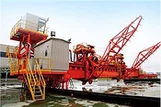
When it comes to efficient and reliable bulk material handling in port operations, screw type ship unloaders stand out as a popular choice. As a leading supplier of screw type ship unloaders, I am often asked about the installation requirements for these powerful machines. In this blog post, I will delve into the key aspects that need to be considered during the installation process to ensure optimal performance and safety.
Site Assessment
Before any installation work begins, a thorough site assessment is essential. This involves evaluating the physical characteristics of the port area where the screw type ship unloader will be installed. The site should have sufficient space to accommodate the unloader and its associated equipment, including conveyors, control rooms, and storage facilities.
The ground conditions at the installation site must be carefully examined. The soil should be able to support the weight of the unloader and withstand the dynamic loads generated during operation. In some cases, ground improvement measures such as soil compaction or the installation of deep foundations may be necessary to ensure stability.
Additionally, the site should have access to essential utilities such as power, water, and compressed air. Adequate electrical supply is crucial for the operation of the unloader's motors, control systems, and other electrical components. Water may be required for dust suppression systems, while compressed air is used for pneumatic controls and actuators.
Structural Requirements
The screw type ship unloader is a large and heavy piece of equipment that requires a robust structural foundation. The foundation should be designed to distribute the weight of the unloader evenly and prevent any excessive settlement or tilting. Depending on the size and capacity of the unloader, the foundation may consist of a concrete slab or a more complex structure with piles or caissons.
The structure that supports the unloader's boom and other moving parts must also be carefully designed. It should be able to withstand the forces exerted by the screw conveyor during the unloading process, as well as wind loads and other environmental factors. The use of high-quality steel and advanced welding techniques is essential to ensure the structural integrity of the unloader.
In addition to the foundation and support structure, the installation site may require the construction of a quay or jetty. The quay should be designed to accommodate the size and draft of the vessels that will be unloaded, as well as the movement of the unloader along the berth. It should also provide a stable platform for the unloader to operate safely.
Electrical and Control Systems
The electrical and control systems of the screw type ship unloader are critical for its operation. These systems must be installed and commissioned correctly to ensure reliable and efficient performance.
The electrical system includes power distribution panels, motors, transformers, and other electrical components. It is important to ensure that the electrical supply is properly sized and protected to prevent overloading and electrical faults. The wiring and cabling should be installed in accordance with relevant electrical codes and standards to ensure safety.
The control system of the unloader is responsible for regulating the speed and operation of the screw conveyor, as well as controlling other functions such as the movement of the boom and the discharge of the material. The control system may be based on programmable logic controllers (PLCs) or other advanced control technologies. It should be designed to provide easy and intuitive operation, as well as remote monitoring and diagnostic capabilities.
Safety Considerations
Safety is of utmost importance when installing and operating a screw type ship unloader. The installation process should be carried out in accordance with all relevant safety regulations and standards to ensure the well-being of the workers and the public.


During the installation, proper safety measures should be taken to prevent accidents and injuries. This includes providing appropriate personal protective equipment (PPE) for the workers, erecting safety barriers and signage, and implementing safe work practices. The unloader should also be equipped with safety features such as emergency stop buttons, overload protection devices, and fire suppression systems.
Once the unloader is installed and commissioned, regular maintenance and inspections should be carried out to ensure its continued safe operation. This includes checking the mechanical and electrical components for wear and tear, lubricating the moving parts, and testing the safety systems.
Comparison with Other Ship Unloading Technologies
While screw type ship unloaders offer many advantages, it is also important to consider other ship unloading technologies such as Bucket Wheel Ship Unloader, Chain Bucket Ship Unloader, and Catenary Bucket Unloader. Each technology has its own unique features and advantages, and the choice of the most suitable unloader depends on various factors such as the type of material to be unloaded, the capacity requirements, and the site conditions.
Bucket wheel ship unloaders are commonly used for unloading coal, iron ore, and other bulk materials. They are known for their high unloading capacity and efficiency. Chain bucket ship unloaders are suitable for handling a wide range of materials, including grains, fertilizers, and cement. They offer a flexible and reliable unloading solution. Catenary bucket unloaders are designed for unloading materials from hopper barges and other small vessels. They are characterized by their compact design and low maintenance requirements.
Conclusion
In conclusion, the installation of a screw type ship unloader requires careful planning and attention to detail. By considering the site assessment, structural requirements, electrical and control systems, and safety considerations, you can ensure a successful installation and optimal performance of the unloader.
As a supplier of screw type ship unloaders, we have extensive experience in designing, manufacturing, and installing these machines. Our team of experts can provide you with comprehensive technical support and guidance throughout the installation process. We are committed to delivering high-quality products and services that meet the needs of our customers.
If you are interested in learning more about our screw type ship unloaders or have any questions about the installation requirements, please do not hesitate to contact us. We look forward to the opportunity to discuss your specific needs and provide you with a customized solution.
References
- "Bulk Material Handling Handbook" by Peter Arnold
- "Port Engineering and Management" by C. Y. Chiang
- Industry standards and guidelines for ship unloader installation and operation