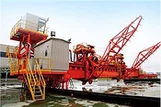
Hey there! As a supplier of ship loaders, I've seen firsthand the ins and outs of these machines. They're pretty awesome pieces of equipment, but like anything, they've got their limitations. In this blog, I'm gonna break down some of the key limitations of ship loaders so you can have a better understanding of what to expect.
1. Capacity Limitations
One of the most obvious limitations of ship loaders is their capacity. Each ship loader is designed to handle a certain amount of material per hour. If you try to load more material than the loader can handle, it's gonna cause problems. For example, if you're using a ship loader with a capacity of 1000 tons per hour and you try to load 1500 tons per hour, the loader might break down or operate inefficiently.
This capacity limitation can be a real pain in the neck, especially if you're dealing with large volumes of material. You might have to invest in multiple ship loaders or upgrade to a higher - capacity model, which can be expensive.
2. Material Compatibility
Not all ship loaders are created equal when it comes to the types of materials they can handle. Some ship loaders are designed specifically for handling dry bulk materials like coal, grain, or ore. Others are better suited for handling liquid cargo.
If you try to use a ship loader that's not designed for a particular type of material, you could run into all sorts of issues. For instance, if you use a ship loader meant for dry bulk materials to handle a sticky or viscous liquid, it might clog up the machinery. And if you use a liquid - handling ship loader for dry materials, it might not be able to handle the weight or abrasiveness of the material.
3. Weather Conditions
Weather can have a huge impact on the performance of ship loaders. Rain, snow, high winds, and extreme temperatures can all cause problems. For example, in heavy rain, the material being loaded might get wet, which can make it heavier and more difficult to handle. High winds can also make it dangerous to operate the ship loader, as it can cause the boom or other parts of the machine to sway.
In extreme cold, the material might freeze, which can lead to blockages in the conveyor system. And in hot weather, the machinery might overheat, reducing its efficiency and potentially causing damage.
4. Space Constraints
Ship loaders need a certain amount of space to operate effectively. They require enough room for the boom to move, for the conveyor system to be set up, and for trucks or other vehicles to access the loading area.
If you're working in a tight space, it can be difficult to install and operate a ship loader. You might have to get creative with the layout or use a smaller, more compact ship loader, which might have a lower capacity.
5. Maintenance and Downtime
Like any piece of heavy machinery, ship loaders require regular maintenance. This includes things like lubricating moving parts, checking for wear and tear, and replacing parts as needed.
Maintenance can be time - consuming and expensive. And when the ship loader is down for maintenance, it means you're not able to load ships, which can lead to lost revenue. In addition, unexpected breakdowns can also cause significant downtime.


6. Technical Complexity
Ship loaders are complex machines with a lot of moving parts. They require skilled operators who understand how to operate and maintain them. If the operators aren't properly trained, it can lead to mistakes and accidents.
The technical complexity also means that it can be difficult to troubleshoot problems when they arise. You might need to call in experts to diagnose and fix issues, which can be costly and time - consuming.
7. Environmental Impact
Ship loaders can have a significant environmental impact. For example, when loading dry bulk materials, there can be a lot of dust generated, which can be a health hazard for workers and a pollution problem for the surrounding area.
In addition, the energy consumption of ship loaders can be quite high, which contributes to greenhouse gas emissions. Some ship loaders also use hydraulic systems, which can leak oil and cause environmental damage if not properly maintained.
8. Compatibility with Different Ship Types
Not all ship loaders are compatible with all types of ships. Different ships have different sizes, shapes, and loading requirements. Some ship loaders are designed for larger vessels, while others are better suited for smaller ones.
If you have a diverse fleet of ships, it can be challenging to find a ship loader that can handle all of them. You might need to invest in multiple ship loaders or modify the existing ones to make them compatible with different ship types.
Solutions and Alternatives
While these limitations are real, there are some solutions and alternatives that can help mitigate them. For example, if you're dealing with capacity limitations, you can consider using multiple ship loaders or upgrading to a higher - capacity model.
To address material compatibility issues, you can choose a ship loader that's specifically designed for the type of material you're handling. There are also some ship loaders that are more versatile and can handle a wider range of materials.
When it comes to weather conditions, you can invest in weather - resistant equipment or install shelters to protect the ship loader from the elements.
For space constraints, you can look into more compact ship loader designs or use mobile ship loaders that can be easily moved around.
To reduce maintenance and downtime, you can implement a regular maintenance schedule and train your operators to perform basic maintenance tasks.
Conclusion
Ship loaders are an essential part of the shipping industry, but they do have their limitations. As a supplier, I understand the challenges that come with using these machines. But by being aware of these limitations and taking steps to address them, you can ensure that your ship loading operations run smoothly.
If you're in the market for a ship loader or have any questions about how to overcome these limitations, don't hesitate to reach out. We're here to help you find the best solution for your needs. Whether you're interested in a Bucket Wheel Ship Unloader, Barge Loader Equipment, or Pneumatic Ship Unloader, we've got you covered. Let's have a chat and see how we can work together to improve your ship loading operations.
References
- Industry reports on ship loader technology
- Manufacturer's manuals and specifications
- Personal experience as a ship loader supplier