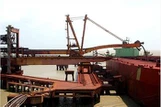
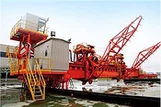
As a supplier of Cantilever Chain Reclaimers, I've had the privilege of working closely with clients across various industries, understanding their unique needs, and providing solutions that not only meet but exceed their expectations. One of the most common concerns we encounter is noise pollution generated by these powerful machines. In this blog post, I'll delve into the noise - reduction measures for a Cantilever Chain Reclaimer, sharing insights based on our years of experience and industry best practices.
Understanding the Noise Sources
Before we can address the noise issue, it's essential to understand where the noise comes from. A Cantilever Chain Reclaimer typically generates noise from several sources:

- Chain and Sprocket Interaction: The continuous movement of the chain on the sprockets creates friction and impact, which are significant sources of noise. As the chain links engage and disengage with the sprockets, they produce a series of sharp, high - pitched sounds.
- Motor and Gearbox: The motor, which powers the reclaimer, and the gearbox, which transfers the power, also contribute to the noise level. The motor's internal components, such as the rotor and stator, vibrate during operation, generating low - frequency noise. The gearbox, with its meshing gears, can produce a whining or grinding noise, especially if there is wear or misalignment.
- Material Handling: When the reclaimer picks up and moves materials, the impact of the material against the chain, buckets, and other components creates noise. This noise can vary depending on the type, size, and hardness of the material being handled.
Noise - Reduction Measures
1. Lubrication
Proper lubrication is crucial for reducing the noise generated by the chain and sprocket interaction. Lubricants act as a buffer between the moving parts, reducing friction and wear. By applying a high - quality lubricant at regular intervals, we can significantly reduce the noise level. Additionally, using a lubricant with anti - noise additives can further dampen the vibrations and noise produced during operation.
2. Isolation Mounts
Installing isolation mounts under the motor and gearbox can help reduce the transmission of vibrations to the surrounding structure. These mounts are made of rubber or other elastic materials that absorb and isolate the vibrations, preventing them from being transferred to the frame of the reclaimer. As a result, the noise generated by the motor and gearbox is reduced, and the overall noise level of the reclaimer is lowered.
3. Sound - Absorbing Materials
Applying sound - absorbing materials to the interior surfaces of the reclaimer can help reduce the noise reflections and echoes. Materials such as acoustic foam, fiberglass insulation, or mineral wool can be installed on the walls, floors, and ceilings of the reclaimer's housing. These materials absorb the sound waves, converting them into heat energy and reducing the overall noise level.
4. Chain and Sprocket Design
Opting for a chain and sprocket design that minimizes noise is another effective noise - reduction measure. For example, using chains with silent - running features, such as special link profiles or noise - dampening coatings, can significantly reduce the noise generated during operation. Similarly, sprockets with precision - machined teeth and proper tooth profiles can ensure smooth engagement and disengagement of the chain, reducing impact noise.
5. Enclosure
Constructing an enclosure around the reclaimer can provide a physical barrier that blocks the noise from spreading. The enclosure can be made of steel or other sound - insulating materials and should be designed to fit the reclaimer tightly. However, it's important to ensure proper ventilation within the enclosure to prevent overheating of the motor and other components.
The Role of Maintenance
Regular maintenance plays a vital role in noise reduction. By keeping the reclaimer in good working condition, we can prevent excessive wear and tear, which can lead to increased noise levels. Here are some maintenance tips:
- Inspect and Replace Worn Parts: Regularly inspect the chain, sprockets, motor, gearbox, and other components for signs of wear. Replace any worn parts promptly to ensure smooth operation and reduce noise.
- Tighten Loose Bolts and Fasteners: Loose bolts and fasteners can cause vibrations and noise. Check and tighten all bolts and fasteners regularly to prevent them from coming loose during operation.
- Clean the Reclaimer: Keeping the reclaimer clean can prevent the buildup of dirt, dust, and debris, which can affect the performance of the components and increase noise levels.
Comparing with Related Equipment
It's also worth comparing the noise - reduction aspects of Cantilever Chain Reclaimers with other related equipment in the industry. For instance, Circular Stacker, Circular Overpile Stacker Reclaimer, and Stationary Stacking Conveyors have their own noise characteristics.
Circular Stackers are often used for large - scale material stacking. While they can generate noise from their rotating mechanisms and conveyor belts, the noise sources are different from those of a Cantilever Chain Reclaimer. By understanding these differences, we can better tailor our noise - reduction strategies based on the specific equipment in use.
Circular Overpile Stacker Reclaimers combine the functions of stacking and reclaiming. Their noise profiles are influenced by multiple moving parts, including the boom, conveyor, and reclaiming mechanism. Comparing with Cantilever Chain Reclaimers, we can identify unique noise - reduction opportunities and challenges.
Stationary Stacking Conveyors, on the other hand, have a relatively simpler structure compared to Cantilever Chain Reclaimers. However, they still generate noise from the conveyor belt movement and motor operation. Analyzing these differences can help us develop comprehensive noise - reduction solutions for different types of equipment.

Conclusion
In conclusion, noise reduction for a Cantilever Chain Reclaimer is a multi - faceted challenge that requires a combination of technical solutions and proper maintenance. By implementing the measures discussed above, such as lubrication, isolation mounts, sound - absorbing materials, and proper design, we can significantly reduce the noise level of the reclaimer.
If you're in the market for a Cantilever Chain Reclaimer or looking to upgrade your existing equipment with effective noise - reduction features, I encourage you to reach out to us. We have a team of experts ready to discuss your specific requirements and provide customized solutions. Contact us to start a procurement discussion and take a step towards a quieter and more efficient operation.
References
- Manufacturer's manuals for Cantilever Chain Reclaimers
- Industry standards and guidelines on noise control in industrial equipment
- Research papers on noise reduction in heavy - machinery operations