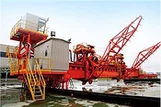
Hey there! As a supplier of Circular Stackers, I've had my fair share of dealing with the noise issue that often comes with these machines. In this blog, I'm gonna walk you through some effective noise - reduction measures for Circular Stackers.
First off, let's understand why noise reduction is so important. Circular Stackers are widely used in industries like mining, power plants, and ports. They play a crucial role in handling bulk materials. But the noise they generate can be a real headache. Not only does it cause discomfort to the workers on - site, but it can also lead to long - term hearing problems. Moreover, in many areas, there are strict environmental regulations regarding noise levels. So, taking steps to reduce noise is both a matter of worker well - being and legal compliance.
1. Equipment Design Optimization
One of the most fundamental ways to reduce noise is through proper equipment design. When we're talking about Circular Stackers, the design of the conveyor belts, motors, and gears can have a huge impact on noise levels.
For conveyor belts, using high - quality, low - noise materials can make a big difference. We should also ensure that the belts are properly tensioned. If the belts are too loose, they can slap against the rollers, creating a lot of noise. On the other hand, if they're too tight, it can put extra stress on the motors and other components, also leading to increased noise.
The motors in Circular Stackers are another major source of noise. We can choose motors with advanced noise - reduction features. For example, some motors are designed with special insulation materials that can absorb and dampen the noise generated during operation. Additionally, proper motor mounting is crucial. Using vibration - isolating mounts can prevent the motor's vibrations from being transmitted to the rest of the stacker structure, which in turn reduces noise.
Gears are also important. High - precision gears with smooth tooth profiles can reduce the meshing noise. Regular maintenance and lubrication of gears are essential to keep them running quietly. If the gears are worn out or not properly lubricated, they can produce a lot of noise due to increased friction.
2. Soundproof Enclosures
Soundproof enclosures are a great way to contain the noise generated by Circular Stackers. These enclosures are made of materials that can absorb and reflect sound waves.


We can install a soundproof enclosure around the main noise - generating components of the stacker, such as the motors and the conveyor drive units. The enclosure should be well - sealed to prevent sound from leaking out. However, when designing the enclosure, we need to make sure that it doesn't interfere with the normal operation and maintenance of the stacker. For example, it should have access doors and ventilation openings.
There are different types of materials that can be used for soundproof enclosures. Fiberglass insulation is a popular choice because it's effective at absorbing sound. Acoustic panels made of materials like mineral wool can also be used. These panels can be installed on the inner walls of the enclosure to enhance the sound - absorbing effect.
3. Vibration Isolation
Vibration is a major cause of noise in Circular Stackers. When the components of the stacker vibrate, they can transfer the vibrations to the surrounding structure, which then radiates sound.
To reduce vibration, we can use vibration - isolating materials and devices. For example, rubber pads can be placed between the stacker and its foundation. These rubber pads can absorb the vibrations and prevent them from being transmitted to the ground.
In addition, we can use shock absorbers in the stacker's moving parts. For instance, if there are hydraulic cylinders or pneumatic actuators in the stacker, installing shock absorbers can reduce the impact and vibration when these components operate.
4. Regular Maintenance
Regular maintenance is key to keeping the noise levels of Circular Stackers under control. Over time, the components of the stacker can wear out, which can lead to increased noise.
We should regularly inspect the conveyor belts for signs of wear and tear. Replace any damaged belts promptly. Check the rollers to make sure they're rotating smoothly. If a roller is seized or not rotating properly, it can cause the belt to rub against it, creating a lot of noise.
The motors also need regular maintenance. Check the motor's bearings, and replace them if they're worn out. Clean the motor's cooling fins to ensure proper ventilation, as overheating can also lead to increased noise.
For gears, we need to check the gear meshing and lubrication regularly. Add lubricant as needed to keep the gears running smoothly.
5. Operational Adjustments
Making some operational adjustments can also help reduce noise. For example, we can adjust the speed of the stacker according to the actual working conditions. Running the stacker at a lower speed can often reduce the noise level.
We should also avoid sudden starts and stops of the stacker. These abrupt changes in operation can cause a lot of noise and put extra stress on the components. Instead, use a soft - start and soft - stop function if available.
In conclusion, reducing the noise of Circular Stackers is a multi - faceted task that involves equipment design, installation of soundproof enclosures, vibration isolation, regular maintenance, and operational adjustments. By implementing these measures, we can not only create a more comfortable working environment for the workers but also meet the environmental noise regulations.
If you're in the market for a Circular Stacker or a Circular Overpile Stacker Reclaimer, or even Stationary Stacking Conveyors, and you're concerned about noise issues, don't hesitate to reach out. We're here to provide you with high - quality equipment and professional advice on noise reduction. Contact us to start the procurement discussion and find the best solution for your needs.
References
- "Industrial Noise Control and Acoustics" by Clarence E. Bies and Benjamin L. Hansen
- "Handbook of Noise and Vibration Control" edited by Malcolm J. Crocker