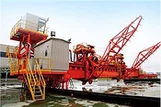
Transportation requirements for a Circular Stacker are crucial aspects that every supplier and potential buyer should understand. As a supplier of Circular Stackers, I have witnessed firsthand the importance of proper transportation in ensuring the safe and timely delivery of these large - scale industrial machines. In this blog, I will delve into the key transportation requirements for a Circular Stacker, covering various aspects from pre - transportation preparations to the actual shipping process.
Pre - transportation Preparations
Inspection and Maintenance
Before any transportation takes place, a thorough inspection of the Circular Stacker is essential. This includes checking all mechanical components, electrical systems, and structural integrity. Any loose parts should be tightened, and any signs of wear or damage should be addressed. For example, the conveyor belts need to be inspected for tears or fraying, and the motors should be tested to ensure they are in proper working condition. This pre - transportation inspection helps prevent any issues from arising during transit that could lead to costly repairs or delays.
Disassembly and Packaging
Due to the large size of a Circular Stacker, it is often necessary to disassemble it into smaller, more manageable parts for transportation. Each part should be carefully labeled and documented to ensure easy reassembly at the destination. For instance, the boom, which is one of the major components of the Circular Stacker, may need to be removed and packed separately. Special attention should be given to fragile components such as sensors and control panels. These should be wrapped in protective materials, such as foam or bubble wrap, and placed in sturdy containers.
Documentation
Proper documentation is another critical pre - transportation requirement. This includes a detailed bill of lading that lists all the parts of the Circular Stacker, their dimensions, weights, and any special handling instructions. Additionally, certificates of compliance, such as safety and quality certificates, should be provided. These documents not only facilitate customs clearance but also ensure that the buyer has all the necessary information for the installation and operation of the Circular Stacker.
Mode of Transportation
Road Transportation
Road transportation is a common choice for transporting Circular Stackers, especially for shorter distances. However, it has its own set of requirements. The size and weight of the Circular Stacker parts need to comply with local road regulations. Oversized or overweight loads may require special permits, which can take time to obtain. The transport vehicle should be equipped with appropriate securing mechanisms, such as straps and chains, to prevent the parts from shifting during transit. For example, flatbed trucks are often used to transport large components, and they need to be properly loaded and balanced to ensure safe transportation.
Rail Transportation
Rail transportation can be a more cost - effective option for longer distances. When using rail, the Circular Stacker parts need to fit within the dimensions of the rail cars. Specialized rail carriers may be required for oversized parts. Similar to road transportation, proper securing of the parts is crucial to prevent damage during the journey. Rail transportation also requires coordination with the railway authorities for scheduling and handling at different stations.
Sea Transportation
For international shipments, sea transportation is often the preferred choice. The Circular Stacker parts need to be packed in shipping containers that are suitable for ocean travel. These containers should be weather - resistant and able to withstand the harsh conditions at sea. Before loading the containers onto the ship, they need to be properly secured to prevent movement during rough seas. Additionally, proper customs documentation is required for international sea shipments.
Loading and Unloading
Loading
During the loading process, it is important to use appropriate lifting equipment, such as cranes or forklifts. The operators of these equipment should be trained and experienced to ensure the safe handling of the Circular Stacker parts. The parts should be loaded in a way that distributes the weight evenly, both on the transport vehicle and within the shipping container. For example, heavier parts should be placed at the bottom to provide stability.
Unloading
Unloading at the destination is equally important. The same level of care and expertise should be applied to prevent any damage to the Circular Stacker parts. The unloading area should be prepared in advance, with a flat and stable surface. The parts should be carefully removed from the transport vehicle or container and stored in a safe location until assembly.
Safety Considerations
Hazardous Materials
If the Circular Stacker contains any hazardous materials, such as lubricants or batteries, special transportation requirements apply. These materials need to be properly labeled and stored in accordance with safety regulations. For example, batteries should be disconnected and stored in a way that prevents short - circuits.
Environmental Impact
Transportation of the Circular Stacker should also consider the environmental impact. This includes minimizing emissions from the transport vehicles and ensuring proper disposal of any packaging materials. For example, reusable packaging materials should be used whenever possible, and any waste generated during the transportation process should be disposed of in an environmentally friendly manner.
Related Products
As a supplier, we also offer other related products such as Cantilever Chain Reclaimer and Stationary Stacking Conveyors. These products work in conjunction with the Circular Stacker to provide a comprehensive material handling solution.


Conclusion
In conclusion, the transportation requirements for a Circular Stacker are complex and involve multiple aspects. From pre - transportation preparations to the actual shipping process, every step needs to be carefully planned and executed to ensure the safe and timely delivery of the product. As a supplier, we are committed to meeting these requirements and providing our customers with high - quality transportation services. If you are interested in purchasing a Circular Stacker or any of our related products, please feel free to contact us for more information and to discuss your specific needs. We look forward to working with you to find the best material handling solution for your business.
References
- "Industrial Equipment Transportation Guidelines", International Transportation Association
- "Safety Standards for Heavy Machinery Transportation", National Safety Council