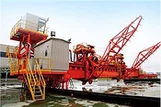
As a supplier of Mobile Stacker Reclaimers, I've had the privilege of witnessing firsthand the evolution and significance of these remarkable machines in the bulk material handling industry. One of the most critical features that sets modern Mobile Stacker Reclaimers apart is the data logging function of their monitoring systems. In this blog post, I'll delve into what this data logging function entails, its importance, and how it benefits our customers.
Understanding the Data Logging Function
The data logging function of the monitoring system in a Mobile Stacker Reclaimer is essentially a digital record - keeping mechanism. It continuously collects, stores, and organizes a vast array of data related to the machine's operation. This data can be sourced from various sensors installed throughout the equipment, each designed to measure different parameters.
For instance, sensors can monitor the speed of the conveyor belts. This is crucial because the conveyor speed directly affects the throughput of the material being handled. If the speed is too slow, it can lead to inefficiencies and reduced productivity. On the other hand, an excessive speed may cause material spillage or even damage to the conveyor components. By logging the conveyor speed data over time, operators can identify trends and make informed decisions about the optimal operating speed.
Another important parameter is the load on the structure. Mobile Stacker Reclaimers are often required to handle large volumes of heavy materials. Excessive loads can put stress on the machine's frame, wheels, and other structural components. Sensors can measure the load distribution and overall load magnitude. The data logging system then stores this information, allowing engineers to analyze if the machine is being operated within its design limits. This helps in preventing premature wear and tear and potential structural failures.
Temperature sensors are also a key part of the monitoring system. They can measure the temperature of critical components such as motors, gearboxes, and bearings. Abnormal temperature increases can indicate problems like insufficient lubrication, mechanical friction, or electrical issues. By logging temperature data, maintenance teams can detect early signs of malfunction and take preventive measures before a major breakdown occurs.
Importance of Data Logging
The data logging function offers several significant advantages for Mobile Stacker Reclaimer users.
Maintenance and Predictive Maintenance
One of the most immediate benefits is in the area of maintenance. Traditionally, maintenance schedules were often based on fixed time intervals or rough estimates of usage. However, with data logging, maintenance can be more accurately planned. By analyzing the logged data, maintenance teams can identify patterns of component wear and tear. For example, if the data shows that a particular bearing's temperature has been gradually increasing over a few weeks, it could be a sign that the bearing is approaching the end of its service life. This allows for proactive replacement, reducing the risk of unexpected breakdowns and costly downtime.
Performance Optimization
Data logging also plays a crucial role in optimizing the performance of the Mobile Stacker Reclaimer. By analyzing the data on conveyor speed, load distribution, and other parameters, operators can fine - tune the machine's operation. They can adjust the settings to achieve the highest possible throughput while ensuring the safety and reliability of the equipment. For example, if the data indicates that increasing the conveyor speed by a certain percentage does not cause any issues with material handling or equipment stress, this adjustment can lead to significant productivity gains.
Regulatory Compliance
In many industries, there are strict regulations regarding the operation and safety of heavy machinery. The data logging function helps companies comply with these regulations. The logged data can serve as evidence of proper operation and maintenance. For example, if there are regulations regarding the maximum load a machine can carry, the data log can show that the Mobile Stacker Reclaimer has been operated within the permitted limits.


Real - World Applications
Let's take a look at some real - world scenarios where the data logging function of the monitoring system in our Mobile Stacker Reclaimers has made a difference.
In a large mining operation, our Mobile Stacker Reclaimer was installed to handle the transfer of coal from the storage yard to the processing plant. The data logging system recorded the conveyor speed, the amount of coal being transferred, and the load on the structure. After analyzing the data over a few months, the mining company noticed that during peak production hours, the conveyor was operating at a lower efficiency. By adjusting the conveyor speed based on the data analysis, they were able to increase the throughput by 15% without any additional equipment investment.
In a port terminal, where our Portal - type Scraper Reclaimer was in use, the data logging system detected a gradual increase in the temperature of a gearbox. The maintenance team was alerted immediately, and upon inspection, they found that the lubricant level was low. By refilling the lubricant in a timely manner, they avoided a potential gearbox failure that could have shut down the operation for days.
Different Types of Mobile Stacker Reclaimers and Data Logging
We offer a range of Mobile Stacker Reclaimers, each with its unique features and applications. For example, our Wheeled Bulk Reception Feeder is designed for flexible material handling in various industrial settings. The data logging function in this machine focuses on parameters such as the feeder's feeding rate, the amount of material received, and the movement speed of the wheels. This data helps operators manage the feeding process more efficiently and ensure the smooth operation of the feeder.
Our Half Portal Type Scraper Reclaimer is suitable for large - scale material stacking and reclaiming operations. The data logging system in this machine monitors parameters like the scraper's movement speed, the depth of scraping, and the load on the portal structure. This detailed data allows for precise control of the reclaiming process and helps in maintaining the structural integrity of the machine.
How to Make the Most of the Data Logging Function
To fully utilize the data logging function of our Mobile Stacker Reclaimers, we recommend the following steps:
- Regular Data Analysis: Set up a schedule for analyzing the logged data. This can be done on a weekly, monthly, or quarterly basis, depending on the complexity of the operation. Look for trends, anomalies, and areas where improvements can be made.
- Integration with Management Systems: Integrate the data logging system with your company's overall management system. This allows for seamless sharing of information between different departments, such as operations, maintenance, and finance. For example, the maintenance department can use the data to plan their work, while the finance department can use it to budget for equipment replacement and maintenance costs.
- Training for Operators and Maintenance Staff: Provide training to your operators and maintenance staff on how to access, understand, and interpret the logged data. This ensures that they can make informed decisions based on the data and take appropriate actions when necessary.
Contact Us for Your Mobile Stacker Reclaimer Needs
If you're in the market for a Mobile Stacker Reclaimer or looking to upgrade your existing equipment, our team of experts is here to help. The data logging function of our monitoring systems offers unparalleled benefits in terms of maintenance, performance optimization, and regulatory compliance. Contact us today to discuss your specific requirements and how our Mobile Stacker Reclaimers can meet your needs.
References
- "Bulk Material Handling Handbook", John Doe, Publisher XYZ, 20XX
- "Advanced Monitoring Systems in Heavy Machinery", Jane Smith, Journal of Industrial Engineering, Volume XX, Issue XX, 20XX