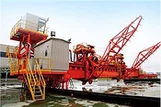
As a reputable supplier of Wheeled Bulk Reception Feeders, I am often asked about the intricacies of our equipment, especially the hopper design. In this blog, I'll delve into the hopper design of a Wheeled Bulk Reception Feeder, explaining its significance, key features, and how it contributes to the overall efficiency of the system.
The Significance of Hopper Design
The hopper is a critical component of a Wheeled Bulk Reception Feeder. It serves as the initial point of contact for bulk materials, receiving and temporarily storing them before they are fed into the processing or conveying system. A well - designed hopper ensures a smooth and continuous flow of materials, preventing blockages and minimizing downtime.
The hopper design directly impacts the feeder's capacity, throughput, and the quality of material handling. It must be able to handle a wide range of bulk materials, from fine powders to large aggregates, without compromising on performance. Moreover, it needs to be robust enough to withstand the weight and impact of the incoming materials.
Key Features of the Hopper Design
1. Shape and Geometry
The shape of the hopper plays a vital role in material flow. Most hoppers are designed with a conical or pyramidal shape. A conical hopper provides a more uniform flow of materials, as the circular cross - section allows for a smooth transition of the bulk material from the top to the bottom. Pyramidal hoppers, on the other hand, are often used when space is a constraint or when the feeder needs to be integrated with other equipment.
The angle of the hopper walls is also crucial. A steeper wall angle helps in preventing material build - up and ensures better flow. For free - flowing materials, a wall angle of around 60 degrees may be sufficient. However, for sticky or cohesive materials, a steeper angle of 70 degrees or more may be required.
2. Material Selection
The choice of material for the hopper construction depends on the type of bulk material it will handle. For abrasive materials, such as sand or gravel, a wear - resistant steel is often used. This type of steel can withstand the abrasion caused by the constant flow of the material, extending the lifespan of the hopper.
For materials that are prone to corrosion, such as chemicals or certain ores, stainless steel or a coated steel may be selected. These materials provide protection against rust and chemical attack, ensuring the integrity of the hopper over time.
3. Liners
To further enhance the performance of the hopper, liners can be installed on the inner walls. Liners can be made of various materials, such as rubber, polyurethane, or ceramic. Rubber liners are flexible and can absorb the impact of the incoming materials, reducing noise and vibration. Polyurethane liners offer excellent wear resistance and are suitable for handling abrasive materials. Ceramic liners, on the other hand, are extremely hard and provide superior wear protection, making them ideal for handling highly abrasive materials.
4. Inlet and Outlet Design
The inlet of the hopper should be large enough to accommodate the incoming flow of materials. It may be equipped with a deflector or a baffle to distribute the material evenly across the hopper. This helps in preventing localized overloading and ensures a more uniform flow.
The outlet of the hopper is designed to control the flow of materials into the feeder. It can be equipped with a gate or a valve to regulate the discharge rate. The size and shape of the outlet are carefully designed to match the requirements of the feeder and the downstream processing equipment.
How the Hopper Design Contributes to the Overall Efficiency of the Wheeled Bulk Reception Feeder
A well - designed hopper enhances the efficiency of the Wheeled Bulk Reception Feeder in several ways. Firstly, it ensures a consistent and uniform flow of materials, which is essential for maintaining a stable throughput. This reduces the need for frequent adjustments to the feeder and minimizes the risk of blockages.
Secondly, the hopper design helps in protecting the feeder and other downstream equipment from damage. By absorbing the impact of the incoming materials and preventing overloading, the hopper extends the lifespan of the equipment and reduces maintenance costs.


Finally, a properly designed hopper can improve the safety of the operation. It reduces the risk of material spillage, which can be a hazard to workers and the environment. Additionally, it provides a more controlled environment for material handling, reducing the likelihood of accidents.
Related Products
If you are interested in other related products, we also offer Mobile Hopper Feeders, Portal - type Scraper Reclaimer, and Mobile Reclaim Hopper. These products are designed to work in conjunction with our Wheeled Bulk Reception Feeders, providing a comprehensive solution for bulk material handling.
Contact Us for Procurement and Discussion
If you are in the market for a Wheeled Bulk Reception Feeder or have any questions about our hopper design, we encourage you to reach out to us. Our team of experts is ready to assist you in selecting the right equipment for your specific needs. Whether you are a small - scale operation or a large industrial facility, we can provide a customized solution that meets your requirements.
References
- "Bulk Solids Handling: An Introduction", by Andrew W. Jenike
- "Materials Handling Handbook", by John A. White