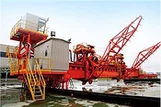
Hey there! As a supplier of Arc Track Ship Loaders, I often get asked about how we carry out corrosion protection for these machines. Well, corrosion can be a real pain in the neck for ship loaders, especially those constantly exposed to harsh marine environments. In this blog, I'll walk you through the steps and methods we use to keep our Arc Track Ship Loaders in top - notch condition.
Understanding the Corrosion Threat
First things first, we need to understand what we're up against. In a marine setting, ship loaders are exposed to saltwater, humidity, and various corrosive chemicals. Saltwater is a major culprit. It contains ions that can accelerate the corrosion process. When metal parts of the ship loader come into contact with saltwater, a chemical reaction occurs. This reaction leads to the formation of rust, which can weaken the structure over time.
Humidity also plays a role. High levels of moisture in the air can create a film of water on the metal surfaces. This water can act as an electrolyte, facilitating the flow of electrons and speeding up corrosion. Additionally, pollutants in the air, such as sulfur dioxide and nitrogen oxides, can react with water to form acidic compounds. These acids can further corrode the metal parts of the ship loader.
Surface Preparation
Before we can apply any protective coatings, proper surface preparation is crucial. We start by thoroughly cleaning the metal surfaces of the Arc Track Ship Loader. This involves removing any dirt, grease, old paint, and rust. We use a variety of methods for this.
One common method is abrasive blasting. This involves using compressed air to propel abrasive materials, such as sand or steel grit, at high speeds onto the metal surface. The abrasives knock off the rust and other contaminants, leaving a clean and rough surface. The roughness is important because it provides a better surface for the coating to adhere to.
We also use chemical cleaning agents in some cases. These agents can dissolve grease and other organic contaminants. After cleaning, we rinse the surfaces thoroughly to remove any remaining cleaning agents.
Coating Selection
Once the surfaces are prepared, it's time to choose the right coating. There are several types of coatings available, and we select the one that best suits the specific requirements of the Arc Track Ship Loader.
Epoxy coatings are a popular choice. They offer excellent adhesion, chemical resistance, and durability. Epoxy coatings can form a tough, protective barrier on the metal surface, preventing moisture and corrosive agents from reaching the metal. They are also resistant to abrasion, which is important as the ship loader may experience some wear and tear during operation.
Polyurethane coatings are another option. They are known for their high - gloss finish and good weather resistance. Polyurethane coatings can withstand UV radiation, which is important as the ship loader is often exposed to sunlight. They also have good flexibility, which means they can expand and contract with the metal without cracking.
In some cases, we may use a combination of coatings. For example, we might apply an epoxy primer first, followed by a polyurethane topcoat. The primer provides good adhesion and corrosion protection, while the topcoat offers additional protection and a nice appearance.


Application of Coatings
Applying the coatings correctly is just as important as selecting the right ones. We use professional painting equipment to ensure an even and consistent application.
For large - scale areas, we often use spray guns. Spray guns can cover a large surface area quickly and evenly. We adjust the pressure and spray pattern of the gun to ensure that the coating is applied at the right thickness.
When applying coatings to hard - to - reach areas or small components, we may use brushes or rollers. Brushes allow us to get into tight corners and edges, while rollers can be used for larger, flat surfaces.
During the application process, we pay close attention to the environmental conditions. The temperature, humidity, and ventilation can all affect the drying and curing of the coatings. We usually apply the coatings in a controlled environment to ensure the best results.
Inspection and Maintenance
After the coatings are applied, we conduct a thorough inspection. We check for any defects, such as uneven coating thickness, runs, or sags. If we find any issues, we correct them immediately.
Regular maintenance is also essential to ensure the long - term effectiveness of the corrosion protection. We schedule periodic inspections of the Arc Track Ship Loader. During these inspections, we look for signs of coating damage, such as chips, scratches, or blistering.
If we find any damage, we repair it as soon as possible. This may involve touch - up painting or, in more severe cases, reapplying the coating to the affected area. We also keep an eye on the overall condition of the ship loader and make any necessary adjustments to the corrosion protection system over time.
Comparing with Other Ship Loaders
We also offer other types of ship loaders, such as Fixed Swing Ship Loader, Fixed Bulk Ship Loader, and Linear Swing Ship Loader. The corrosion protection methods for these ship loaders are similar to those of the Arc Track Ship Loader, but there may be some differences based on their design and usage.
For example, the Fixed Swing Ship Loader may have some parts that are more exposed to mechanical stress during operation. In such cases, we may need to use more abrasion - resistant coatings on those parts. The Fixed Bulk Ship Loader, which is often used for handling large volumes of bulk materials, may be more prone to dust and dirt accumulation. So, we may need to pay more attention to surface cleaning and maintenance.
Conclusion
Corrosion protection is a vital part of ensuring the longevity and performance of our Arc Track Ship Loaders. By understanding the corrosion threats, properly preparing the surfaces, selecting the right coatings, applying them correctly, and conducting regular inspections and maintenance, we can keep our ship loaders in great shape.
If you're in the market for a high - quality ship loader with excellent corrosion protection, we'd love to hear from you. Whether it's an Arc Track Ship Loader or one of our other models like the Fixed Swing Ship Loader, Fixed Bulk Ship Loader, or Linear Swing Ship Loader, we've got you covered. Reach out to us to start a conversation about your specific needs and how we can provide the best solution for you.
References
- "Corrosion Control in Marine Environments" - A technical guide on corrosion prevention in marine settings.
- "Coatings for Industrial Equipment" - A handbook on different types of coatings and their applications.