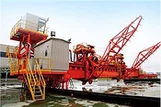
As a supplier of Arc Track Ship Loaders, I often get asked about the maintenance of the dust collection system in these machines. A well - maintained dust collection system is crucial for the efficient and safe operation of an Arc Track Ship Loader. In this blog, I'll share some insights on how to maintain this important component.
First off, let's understand why the dust collection system is so vital. When an Arc Track Ship Loader is loading bulk materials like coal, grain, or minerals onto a ship, a significant amount of dust is generated. This dust not only poses a health risk to the operators but can also cause environmental pollution. Moreover, excessive dust can damage the internal components of the ship loader, leading to costly repairs and downtime.
Regular Inspections
The key to maintaining the dust collection system starts with regular inspections. I recommend checking the system at least once a week during normal operation. Inspect the filters, which are the heart of the dust collection system. Over time, dust particles accumulate on the filters, reducing their efficiency. Look for signs of clogging, such as a decrease in airflow or an increase in pressure drop across the filter. If the filters are severely clogged, they need to be replaced.


Another important part to inspect is the ductwork. Check for any signs of leaks, damage, or blockages. Leaky ducts can reduce the suction power of the dust collection system, allowing dust to escape into the environment. Blockages in the ducts can also disrupt the airflow, preventing the system from working effectively. Use a flashlight to examine the interior of the ducts and look for any debris or buildup.
Cleaning Procedures
Cleaning the dust collection system is an essential maintenance task. There are different cleaning methods depending on the type of system. For bag filters, you can use a reverse - pulse cleaning system. This system uses compressed air to blow the dust off the filters, allowing it to fall into a collection hopper. Make sure to follow the manufacturer's instructions when operating the reverse - pulse cleaning system to ensure proper cleaning.
If you have a cyclone dust collector, you need to clean the collection hopper regularly. The hopper collects the dust that has been separated from the air by the cyclone. Over time, the hopper can fill up, reducing the system's capacity. Empty the hopper when it reaches about 70 - 80% of its capacity to prevent overflow.
For the overall system, you can use a vacuum cleaner to remove any loose dust from the exterior of the equipment and the surrounding area. This helps to keep the work environment clean and reduces the risk of dust re - entering the system.
Component Replacement
As with any mechanical system, some components of the dust collection system will wear out over time and need to be replaced. The filters are the most common components that require replacement. The frequency of filter replacement depends on the operating conditions and the type of dust being collected. In a high - dust environment, filters may need to be replaced every few months, while in a cleaner environment, they may last up to a year.
Other components that may need replacement include fans, motors, and valves. The fan is responsible for creating the airflow in the dust collection system. If the fan is not working properly, the system will not be able to collect dust effectively. Check the fan regularly for signs of wear, such as unusual noises or vibrations. If you notice any problems, it may be necessary to replace the fan or its bearings.
Motors power the fan and other components of the system. Make sure to check the motor's electrical connections and lubrication. Over time, the motor's brushes or bearings may wear out, requiring replacement. Valves are used to control the airflow and the operation of the cleaning system. Check the valves for proper operation and replace them if they are leaking or not functioning correctly.
Training and Documentation
Proper training of the operators is essential for the maintenance of the dust collection system. Operators should be trained on how to operate the system correctly, how to perform basic inspections and cleaning procedures, and how to recognize signs of problems. Provide them with a detailed manual that includes the maintenance schedule, cleaning procedures, and troubleshooting guide.
Keep detailed records of all maintenance activities, including inspections, cleaning, and component replacements. This documentation can help you track the performance of the dust collection system over time, identify recurring problems, and plan for future maintenance. It also serves as a reference for regulatory compliance, as many industries have strict environmental and safety regulations regarding dust collection systems.
Importance of Spare Parts
Having a stock of spare parts is crucial for minimizing downtime in case of a component failure. Keep a supply of commonly replaced parts such as filters, belts, gaskets, and bearings. This way, if a part fails, you can quickly replace it and get the dust collection system back up and running. Make sure to source the spare parts from a reliable supplier to ensure their quality and compatibility with your system.
Conclusion
Maintaining the dust collection system of an Arc Track Ship Loader is a complex but necessary task. By following a regular maintenance schedule, performing proper inspections and cleaning, replacing worn - out components, providing operator training, and keeping detailed records, you can ensure the efficient and reliable operation of the system.
If you're in the market for an Arc Track Ship Loader or need help with the maintenance of your existing system, we're here to assist you. We also offer other types of ship loaders like the Mobile Bulk Ship Loader and the Linear Swing Ship Loader. For more information about our Arc Track Ship Loader, feel free to reach out to us for a consultation and to discuss your specific requirements.
References
- Ship Loader Manufacturer's Manual
- Industry Standards for Dust Collection Systems
- Environmental and Safety Regulations for Bulk Material Handling