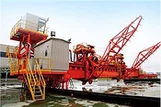
Proper lubrication is a critical aspect of maintaining the efficiency and longevity of a Stacker Reclaimer. As a leading Stacker Reclaimer supplier, we understand the importance of ensuring that these heavy - duty machines are well - lubricated to operate at their best. In this blog, we will explore the key steps and considerations for ensuring proper lubrication in a Stacker Reclaimer.
Understanding the Lubrication Requirements of a Stacker Reclaimer
A Stacker Reclaimer is a complex piece of equipment used in industries such as mining, power generation, and steel production to stack and reclaim bulk materials. It consists of various moving parts, including conveyor belts, motors, gears, bearings, and hydraulic systems. Each of these components has specific lubrication requirements based on factors such as operating conditions, load, speed, and temperature.
For example, bearings in a Stacker Reclaimer are subjected to high radial and axial loads. They require a lubricant that can provide excellent anti - wear and anti - corrosion properties. The lubricant should also be able to withstand high temperatures generated during operation. On the other hand, hydraulic systems need a lubricant with good viscosity stability, anti - foam properties, and high - pressure resistance to ensure smooth operation.

Selecting the Right Lubricants
The first step in ensuring proper lubrication is selecting the right lubricants for each component of the Stacker Reclaimer. There are several types of lubricants available, including mineral oils, synthetic oils, and greases.
Mineral oils are derived from crude oil and are a cost - effective option for many applications. They have good lubricating properties and are suitable for components operating under normal conditions. However, they may not be suitable for high - temperature or high - load applications.
Synthetic oils, on the other hand, are chemically engineered to provide superior performance. They have better viscosity stability, oxidation resistance, and anti - wear properties compared to mineral oils. Synthetic oils are ideal for components operating under extreme conditions, such as high temperatures or high speeds.
Greases are a semi - solid lubricant that consists of a base oil and a thickening agent. They are commonly used in bearings and other components where a more viscous lubricant is required to prevent leakage. Greases provide long - lasting lubrication and can withstand high loads and shock.
When selecting lubricants, it is important to consider the manufacturer's recommendations. The equipment manufacturer usually provides guidelines on the type and grade of lubricants to be used for each component. These recommendations are based on extensive testing and ensure optimal performance and reliability of the Stacker Reclaimer.
Lubrication Procedures
Once the right lubricants have been selected, proper lubrication procedures must be followed. Here are some key steps:
1. Inspection
Regular inspection of the lubrication system is essential. Check for any signs of leaks, contamination, or low lubricant levels. Inspect the lubricant for changes in color, consistency, or odor, as these may indicate problems such as oxidation or contamination.
2. Cleaning
Before adding new lubricant, it is important to clean the lubrication points. Remove any dirt, debris, or old lubricant that may have accumulated. This helps to prevent contamination of the new lubricant and ensures proper lubrication.
3. Filling
When filling the lubrication system, follow the recommended filling levels. Overfilling or underfilling can lead to problems. Use a clean and calibrated filling device to ensure accurate filling.
4. Monitoring
Continuous monitoring of the lubrication system is crucial. Use sensors and monitoring equipment to measure parameters such as lubricant temperature, pressure, and level. This allows for early detection of potential problems and enables timely maintenance.
Preventing Contamination
Contamination is one of the major causes of lubricant degradation and component failure in a Stacker Reclaimer. Contaminants such as dust, dirt, water, and metal particles can enter the lubrication system and cause wear, corrosion, and reduced lubrication performance.
To prevent contamination, it is important to keep the lubrication system clean. Use sealed lubrication points and filters to prevent the entry of contaminants. Regularly replace filters to ensure their effectiveness. In addition, store lubricants in a clean and dry environment to prevent contamination before they are added to the system.
Training and Education
Proper lubrication also requires trained and knowledgeable personnel. Provide training to the operators and maintenance staff on the importance of lubrication, the selection of lubricants, and the proper lubrication procedures. This helps to ensure that the Stacker Reclaimer is lubricated correctly and reduces the risk of human error.
Case Study: Improving Lubrication in a Stacker Reclaimer
Let's consider a case study where a mining company was experiencing frequent breakdowns in their Stacker Reclaimer due to poor lubrication. The company was using a low - quality mineral oil that was not suitable for the high - load and high - temperature conditions of the equipment.
As a Stacker Reclaimer supplier, we recommended switching to a synthetic oil with better anti - wear and high - temperature resistance properties. We also provided training to the maintenance staff on proper lubrication procedures, including regular inspection, cleaning, and filling.
After implementing these changes, the company noticed a significant improvement in the performance of the Stacker Reclaimer. The frequency of breakdowns decreased, and the overall productivity of the equipment increased. The synthetic oil also had a longer service life, reducing the cost of lubricant replacement.
Importance of Professional Maintenance
While proper lubrication can be carried out by the operators and maintenance staff, it is also important to have professional maintenance services. Professional maintenance technicians have the expertise and equipment to perform in - depth inspections, lubricant analysis, and component repair or replacement.
Regular professional maintenance helps to identify potential problems before they cause major breakdowns. It also ensures that the Stacker Reclaimer is maintained in accordance with the manufacturer's specifications, maximizing its service life and performance.
The Role of Technology in Lubrication
Advancements in technology have also played a significant role in improving lubrication in Stacker Reclaimers. For example, condition - based monitoring systems can continuously monitor the lubrication system and provide real - time data on lubricant condition, temperature, and pressure. This data can be used to predict potential problems and schedule maintenance in a timely manner.
In addition, automated lubrication systems are becoming increasingly popular. These systems can deliver the right amount of lubricant at the right time to the lubrication points, ensuring consistent and accurate lubrication. Automated lubrication systems also reduce the risk of human error and improve the efficiency of the lubrication process.
Related Equipment: Bauxite Ship Loader
If you are involved in the handling of bauxite, you may also be interested in our Bauxite Ship Loader. This equipment is designed to efficiently load bauxite onto ships, ensuring smooth and reliable material handling operations.
Conclusion
Proper lubrication is essential for the efficient and reliable operation of a Stacker Reclaimer. By selecting the right lubricants, following proper lubrication procedures, preventing contamination, providing training, and having professional maintenance, you can ensure that your Stacker Reclaimer operates at its best.
As a Stacker Reclaimer supplier, we are committed to providing high - quality equipment and comprehensive support to our customers. If you are interested in purchasing a Stacker Reclaimer or need assistance with lubrication or maintenance, please contact us for a procurement consultation. We will be happy to discuss your requirements and provide you with the best solutions.
References
- "Handbook of Lubrication and Tribology, Volume I: Application and Maintenance" by Benjamin J. Hamrock, Bharat Bhushan, and Siegfried R. Schmid.
- Manufacturer's manuals for Stacker Reclaimer equipment.
- Industry reports on lubrication best practices in heavy - duty equipment.