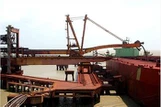
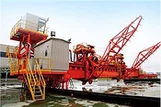
Hey there! I'm working for a Stacker Reclaimer supplier, and today I'm gonna share with you how to lubricate the slewing mechanism of a Stacker Reclaimer. It's a crucial part of keeping these machines running smoothly, so let's dive right in.
Why Lubrication Matters
First off, why do we even need to lubricate the slewing mechanism? Well, the slewing mechanism is responsible for the rotational movement of the Stacker Reclaimer. It's got a lot of moving parts, like gears, bearings, and tracks. Without proper lubrication, these parts would rub against each other, causing friction. Friction leads to wear and tear, which can result in breakdowns, costly repairs, and downtime.
Think of it like the oil in your car engine. If you don't change the oil regularly, your engine will start to make funny noises, lose power, and eventually break down. The same goes for the slewing mechanism of a Stacker Reclaimer. Lubrication reduces friction, dissipates heat, and protects the parts from corrosion. It also helps to seal out dirt and debris, which can cause further damage.
Types of Lubricants
There are different types of lubricants available for the slewing mechanism of a Stacker Reclaimer. The most common ones are grease and oil.
Grease: Grease is a semi - solid lubricant that's great for applications where you need a long - lasting lubrication. It stays in place better than oil, so it's less likely to drip or leak. Grease is also good at sealing out contaminants. You can find different types of grease, like lithium - based, calcium - based, and synthetic greases. Lithium - based greases are very popular because they have good mechanical stability and can work in a wide range of temperatures.
Oil: Oil is a liquid lubricant that provides excellent cooling and can flow easily through the system. It's often used in high - speed applications or where you need a more precise lubrication. There are mineral oils, synthetic oils, and biodegradable oils. Synthetic oils are usually more expensive but offer better performance in extreme temperatures and under heavy loads.
Steps to Lubricate the Slewing Mechanism
Now, let's get into the actual steps of lubricating the slewing mechanism.
Step 1: Preparation
Before you start lubricating, you need to make sure you've got the right lubricant for the job. Check the manufacturer's recommendations in the machine's manual. You'll also need the proper tools, like a grease gun or an oil pump. Make sure the machine is turned off and locked out to prevent any accidental startup. And don't forget to wear the appropriate personal protective equipment, like gloves and safety glasses.

Step 2: Inspect the Mechanism
Take a good look at the slewing mechanism. Look for any signs of damage, like cracks, worn - out parts, or excessive dirt and debris. If you find any issues, you might need to address them before lubricating. For example, if there's a lot of dirt, you can use a clean cloth or a compressed air gun to clean the area.
Step 3: Lubricate the Bearings
The bearings in the slewing mechanism are critical. They need to be well - lubricated to reduce friction and ensure smooth rotation. If you're using grease, use a grease gun to inject the grease into the bearing grease fittings. Make sure to follow the manufacturer's instructions on how much grease to use. Over - greasing can be just as bad as under - greasing, as it can cause the bearings to overheat.
If you're using oil, you can use an oil pump to fill the bearing housing to the appropriate level. Some bearings have sight glasses or level indicators that can help you determine the correct oil level.
Step 4: Lubricate the Gears
The gears in the slewing mechanism also need proper lubrication. You can apply grease or oil directly to the gear teeth. For large gears, you might need to use a brush or a spray to ensure even coverage. Make sure to get the lubricant into all the nooks and crannies of the gears.
If you're using an oil - lubricated system, there might be an oil circulation system in place. Check the oil level in the reservoir and make sure the oil is flowing properly through the gears.
Step 5: Check for Leaks
After you've finished lubricating, check for any leaks. Look around the bearings, gears, and any other lubricated parts. If you see any signs of leakage, you might need to tighten the fittings or replace any damaged seals.
Step 6: Documentation
It's important to keep a record of when you lubricated the slewing mechanism. This helps you keep track of the maintenance schedule and can be useful for troubleshooting if there are any problems later on. You can use a simple logbook or a digital maintenance management system.
Tips for Effective Lubrication
Here are some tips to make sure you're lubricating the slewing mechanism effectively:
- Follow the Schedule: Stick to the lubrication schedule recommended by the manufacturer. This ensures that the slewing mechanism is always properly lubricated.
- Use Quality Lubricants: Don't skimp on the lubricants. Using high - quality lubricants can extend the life of the parts and reduce the risk of breakdowns.
- Train Your Staff: Make sure your maintenance staff is properly trained in lubrication procedures. They should know how to use the tools correctly and how much lubricant to apply.
Related Equipment: Bauxite Ship Loader
If you're in the mining or shipping industry, you might also be interested in our Bauxite Ship Loader. It's a great piece of equipment that works in tandem with Stacker Reclaimers to handle bauxite efficiently. It's designed to load bauxite onto ships quickly and safely, reducing loading times and increasing productivity.
Conclusion
Lubricating the slewing mechanism of a Stacker Reclaimer is an essential part of its maintenance. By following the steps and tips I've shared, you can keep your Stacker Reclaimer running smoothly, reduce downtime, and save on repair costs.
If you're in the market for a new Stacker Reclaimer or need more information on maintenance and lubrication, don't hesitate to reach out. We're here to help you make the right choices for your operations. Whether you're a small - scale mining company or a large industrial complex, we've got the expertise and the products to meet your needs. Contact us for a consultation and let's start a conversation about how we can help you optimize your material handling processes.
References
- Manufacturer's manuals for Stacker Reclaimers
- Industry standards and best practices for equipment lubrication