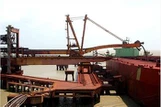
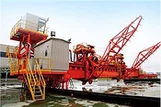
Hey there! As a supplier of Screw Type Ship Unloaders, I've seen firsthand how these machines can revolutionize the process of unloading bulk materials from ships. But like any heavy - duty equipment, operating them safely is of utmost importance. In this blog, I'll share some key tips on how to operate a screw type ship unloader safely.
Pre - operation Checks
Before you even think about firing up the screw type ship unloader, a thorough pre - operation check is a must. First off, inspect the physical condition of the machine. Check for any visible signs of damage such as cracks in the structure, bent parts, or loose bolts. A small crack or a loose bolt can turn into a major problem during operation, so it's better to catch these issues early.
Next, examine the electrical systems. Make sure all the wires are properly connected and there are no signs of fraying or exposed conductors. Faulty electrical systems can not only lead to malfunctions but also pose a serious risk of electrical shock to the operators.
The lubrication of the moving parts is another crucial aspect. The screw conveyor, which is the heart of the unloader, needs to have proper lubrication to function smoothly. Check the oil levels in the gearboxes and other lubricated components. Insufficient lubrication can cause excessive wear and tear, leading to breakdowns and potentially dangerous situations.
Operator Training
You can have the best - maintained screw type ship unloader in the world, but if the operator isn't properly trained, all that effort goes down the drain. Operators should receive comprehensive training on the specific model of the unloader they'll be using. This training should cover everything from basic controls to emergency procedures.
The training should include hands - on experience under the supervision of an experienced operator. The new operator should learn how to start and stop the machine correctly, how to adjust the speed of the screw conveyor according to the type of material being unloaded, and how to deal with common issues like blockages.
Knowledge of safety protocols is also a vital part of the training. Operators need to know how to use personal protective equipment (PPE) such as hard hats, safety glasses, and steel - toed boots. They should also be familiar with the emergency stop buttons and how to use them in case of an emergency.
Loading and Unloading Process
When it comes to the actual loading and unloading process, there are several safety measures to keep in mind. First, make sure the ship is properly secured to the dock. An unstable ship can cause the unloader to become unbalanced, leading to a potential tip - over.
The type of material being unloaded matters a great deal. Different materials have different characteristics, such as density and flowability. For example, fine powders may require a slower speed of the screw conveyor to prevent dust emissions, while larger granular materials can be unloaded at a faster rate.
During the unloading process, keep an eye on the material flow. If there are any signs of blockages, stop the machine immediately. Blockages can cause excessive pressure build - up in the screw conveyor, which can lead to the conveyor breaking or the material being ejected forcefully.
Maintenance and Inspection
Regular maintenance and inspection are the keys to the long - term safe operation of a screw type ship unloader. A maintenance schedule should be established and strictly followed. This schedule should include daily, weekly, monthly, and annual maintenance tasks.


Daily maintenance can include simple tasks like cleaning the machine and checking for any loose parts. Weekly maintenance might involve more in - depth checks of the electrical and mechanical systems. Monthly and annual maintenance can include major overhauls, such as replacing worn - out parts and conducting performance tests.
Inspections should be carried out by qualified technicians. They can use specialized tools and techniques to detect any hidden problems. For example, non - destructive testing methods can be used to check for internal cracks in the structure of the unloader.
Safety Devices and Their Use
Screw type ship unloaders are equipped with a variety of safety devices, and it's essential that operators know how to use them. One of the most important safety devices is the emergency stop button. This button should be easily accessible to the operator at all times. In case of an emergency, such as a person getting too close to the moving parts or a major malfunction, the operator can press the emergency stop button to immediately halt the machine.
There are also sensors installed on the unloader to detect abnormal conditions. For example, there are sensors that can detect an over - current in the electrical system or an abnormal vibration in the screw conveyor. When these sensors detect a problem, they can trigger an alarm, alerting the operator to take action.
Environmental Considerations
The environment in which the screw type ship unloader operates also plays a role in safety. For example, in windy conditions, the unloader may be more prone to instability. Operators should be aware of the wind speed and direction and take appropriate precautions. In extreme weather conditions, such as heavy rain or snow, the unloader may need to be shut down to prevent damage to the electrical and mechanical components.
Dust emissions are another environmental concern. When unloading certain materials, such as coal or cement, a large amount of dust can be generated. This not only poses a health risk to the operators but can also cause environmental pollution. Dust suppression systems should be installed and properly maintained to minimize dust emissions.
Additional Types of Ship Unloaders
If you're in the market for a ship unloader, you might also want to consider other types. For instance, the Fixed Screw Ship Unloader is a great option for those who need a more stationary solution. It offers high efficiency and reliability for unloading bulk materials.
The Boom Jib is another interesting type. It provides more flexibility in terms of reach and can be adjusted to different positions to unload materials from various parts of the ship.
And then there's the Catenary Bucket Unloader. This type is known for its ability to handle a wide range of materials and can be a good choice depending on your specific requirements.
Conclusion
Operating a screw type ship unloader safely requires a combination of proper pre - operation checks, well - trained operators, regular maintenance, and the use of safety devices. By following these guidelines, you can ensure that your unloader operates smoothly and safely, minimizing the risk of accidents and breakdowns.
If you're interested in purchasing a screw type ship unloader or any of the other types of ship unloaders I mentioned, feel free to reach out to us. We're always happy to have a chat about your specific needs and how our products can meet them. Contact us to start the procurement discussion and find the perfect ship unloader for your operation.
References
- "Ship Unloading Equipment: Operation and Maintenance Manuals", Industry Publications
- "Safety Standards for Heavy - Duty Industrial Equipment", National Safety Council