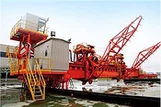
As a supplier of Screw Type Ship Unloaders, I understand the critical importance of preventing corrosion in these essential pieces of equipment. Corrosion can significantly reduce the lifespan of a screw type ship unloader, lead to costly repairs, and even pose safety risks. In this blog, I will share some effective strategies to prevent corrosion and ensure the long - term performance of your screw type ship unloader.
Understanding the Causes of Corrosion in Screw Type Ship Unloaders
Before we delve into prevention methods, it's crucial to understand what causes corrosion in screw type ship unloaders. These machines are constantly exposed to harsh marine environments, where they come into contact with saltwater, moisture, and various chemicals. Saltwater, in particular, is highly corrosive due to the presence of electrolytes that accelerate the oxidation process. Additionally, the unloader's operation often involves handling abrasive materials, which can damage the protective coatings on the equipment, leaving it vulnerable to corrosion.


Protective Coatings
One of the most effective ways to prevent corrosion is by applying high - quality protective coatings to the screw type ship unloader. These coatings act as a barrier between the metal surface of the equipment and the corrosive elements in the environment.
- Epoxy Coatings: Epoxy coatings are widely used in the marine industry due to their excellent adhesion, chemical resistance, and durability. They can withstand the harsh conditions of saltwater and protect the metal from corrosion for an extended period. When applying epoxy coatings, it's essential to ensure that the surface is properly prepared. This involves cleaning the surface to remove any dirt, grease, or rust, and then roughening it to improve the coating's adhesion.
- Zinc - Rich Primers: Zinc - rich primers are another popular choice for corrosion protection. Zinc is a sacrificial metal, which means it corrodes preferentially to the underlying steel. By applying a zinc - rich primer, you create a protective layer that not only provides a physical barrier but also offers cathodic protection to the steel. This can significantly extend the lifespan of the screw type ship unloader.
Cathodic Protection
Cathodic protection is a technique used to control the corrosion of a metal surface by making it the cathode of an electrochemical cell. There are two main types of cathodic protection: sacrificial anode protection and impressed current cathodic protection.
- Sacrificial Anode Protection: In sacrificial anode protection, a more reactive metal (such as zinc or aluminum) is attached to the metal structure of the screw type ship unloader. The sacrificial anode corrodes instead of the steel, protecting it from corrosion. This method is relatively simple and cost - effective, but it requires periodic replacement of the sacrificial anodes as they corrode over time.
- Impressed Current Cathodic Protection: Impressed current cathodic protection involves applying an external electrical current to the metal structure to make it the cathode. This is achieved using an anode (usually made of a non - consumable material such as titanium) and a power source. Impressed current cathodic protection provides more precise control over the protection level and can be used for larger structures. However, it requires more complex installation and maintenance.
Regular Maintenance and Inspection
Regular maintenance and inspection are essential for preventing corrosion in screw type ship unloaders. By identifying and addressing corrosion issues early, you can prevent them from escalating into more significant problems.
- Visual Inspections: Conduct regular visual inspections of the screw type ship unloader to look for signs of corrosion, such as rust, discoloration, or pitting. Pay special attention to areas that are more prone to corrosion, such as joints, welds, and areas exposed to saltwater.
- Cleaning: Keep the screw type ship unloader clean by removing any dirt, debris, or salt deposits. This can be done using water and a mild detergent. Avoid using abrasive cleaners that can damage the protective coatings.
- Lubrication: Proper lubrication of moving parts is crucial for preventing corrosion. Lubricants not only reduce friction but also protect the metal surfaces from moisture and corrosion. Use high - quality lubricants that are suitable for the marine environment.
Environmental Control
Controlling the environment around the screw type ship unloader can also help prevent corrosion.
- Ventilation: Ensure proper ventilation in the areas where the screw type ship unloader is located. Good ventilation helps to reduce humidity levels, which can prevent the formation of condensation on the metal surfaces.
- Covering and Enclosures: Consider using covers or enclosures to protect the screw type ship unloader from direct exposure to the elements. This can be especially useful during periods of inactivity or when the equipment is not in use.
Comparison with Other Types of Ship Unloaders
It's also worth comparing the corrosion prevention requirements of screw type ship unloaders with other types of ship unloaders, such as Buried Scraper Type Ship Unloader, Catenary Bucket Unloader, and Pneumatic Ship Unloader.
- Buried Scraper Type Ship Unloader: These unloaders are often used for handling bulk materials. They are typically more enclosed, which can provide some protection against corrosion. However, they still require proper coatings and maintenance to prevent corrosion in areas where the metal is exposed.
- Catenary Bucket Unloader: Catenary bucket unloaders have a more complex structure with many moving parts. This makes them more susceptible to corrosion in areas such as joints and bearings. Similar to screw type ship unloaders, they need high - quality protective coatings and regular maintenance.
- Pneumatic Ship Unloader: Pneumatic ship unloaders use air to convey materials. They are less exposed to direct contact with the bulk materials, which can reduce the risk of abrasion - related corrosion. However, they still need to be protected from the corrosive marine environment through coatings and cathodic protection.
Conclusion
Preventing corrosion in screw type ship unloaders is a multi - faceted approach that involves protective coatings, cathodic protection, regular maintenance, and environmental control. By implementing these strategies, you can significantly extend the lifespan of your screw type ship unloader, reduce maintenance costs, and ensure its safe and efficient operation.
If you are interested in learning more about our Screw Type Ship Unloaders or need advice on corrosion prevention, please feel free to contact us for procurement and further discussions. We are committed to providing high - quality products and solutions to meet your needs.
References
- Fontana, M. G. (1986). Corrosion Engineering. McGraw - Hill.
- Uhlig, H. H., & Revie, R. W. (1985). Corrosion and Corrosion Control: An Introduction to Corrosion Science and Engineering. Wiley.
- NACE International. (2016). Standard Practice SP0169 - 2013, Control of External Corrosion on Underground or Submerged Metallic Piping Systems.