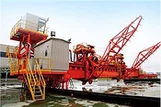
Hey there! As a supplier of Bucket Wheel Ship Unloaders, I've seen firsthand the challenges these machines face in a marine environment, especially when it comes to corrosion. Corrosion can significantly reduce the lifespan of a Bucket Wheel Ship Unloader, increase maintenance costs, and even pose safety risks. So, in this blog, I'm gonna share some tips on how to protect your Bucket Wheel Ship Unloader from corrosion in a marine setting.
Understanding the Corrosion Threat in Marine Environments
First off, let's talk about why corrosion is such a big deal in the marine environment. The ocean is a harsh place for machinery. Saltwater is highly corrosive due to the presence of dissolved salts, mainly sodium chloride. When the metal parts of the Bucket Wheel Ship Unloader come into contact with saltwater, a chemical reaction occurs. This reaction leads to the formation of rust, which weakens the metal over time.
Moreover, the high humidity and frequent exposure to moisture in the marine environment accelerate the corrosion process. The combination of salt, water, and oxygen creates an ideal environment for corrosion to take hold. Even small amounts of corrosion can spread quickly, causing damage to critical components of the unloader.
Selecting the Right Materials
One of the most effective ways to protect your Bucket Wheel Ship Unloader from corrosion is to start with the right materials. When designing and manufacturing these machines, we always opt for corrosion-resistant materials. Stainless steel is a popular choice for many parts of the unloader. It contains chromium, which forms a thin, protective oxide layer on the surface of the metal. This layer prevents oxygen and water from reaching the underlying metal, thus reducing the risk of corrosion.
Another option is to use coated metals. We can apply special coatings to the metal parts of the unloader to provide an extra layer of protection. These coatings act as a barrier between the metal and the corrosive environment. Some coatings are designed to be self-healing, which means they can repair small scratches and damage on their own, further enhancing their protective properties.
Regular Inspections and Maintenance
Regular inspections are crucial for detecting and preventing corrosion. We recommend conducting visual inspections of the Bucket Wheel Ship Unloader on a frequent basis. Look for signs of rust, discoloration, or pitting on the metal surfaces. Pay special attention to areas that are more exposed to saltwater, such as the boom jib and the bucket wheel itself.


During inspections, it's also important to check the integrity of any coatings or protective layers. If you notice any damage to the coating, it should be repaired immediately to prevent corrosion from starting. In addition to visual inspections, we also suggest performing non-destructive testing methods, such as ultrasonic testing or magnetic particle testing, to detect hidden corrosion.
Maintenance is another key aspect of corrosion prevention. Keep the unloader clean by washing it regularly with fresh water to remove salt and other contaminants. Lubricate moving parts to prevent friction and wear, which can also contribute to corrosion. Replace any worn or damaged parts promptly to ensure the continued performance of the unloader.
Cathodic Protection
Cathodic protection is a technique that can be used to protect the metal parts of the Bucket Wheel Ship Unloader from corrosion. There are two main types of cathodic protection: sacrificial anode protection and impressed current cathodic protection.
In sacrificial anode protection, a more reactive metal, such as zinc or aluminum, is attached to the metal structure of the unloader. The sacrificial anode corrodes instead of the protected metal, sacrificing itself to protect the more valuable components. This method is relatively simple and cost-effective, but it requires regular replacement of the sacrificial anodes as they corrode.
Impressed current cathodic protection involves applying an external electrical current to the metal structure. This current counteracts the natural corrosion process by making the metal a cathode, which is protected from corrosion. This method is more complex and requires a power source, but it can provide more effective protection over a longer period of time.
Environmental Control
Controlling the environment around the Bucket Wheel Ship Unloader can also help reduce the risk of corrosion. If possible, store the unloader in a covered area when it's not in use. This can protect it from direct exposure to saltwater, rain, and sunlight. Installing dehumidifiers in the storage area can also help reduce humidity levels, which can slow down the corrosion process.
In addition, consider using corrosion inhibitors. These are chemicals that can be added to the water or the environment to reduce the rate of corrosion. Corrosion inhibitors work by forming a protective film on the metal surface, preventing the corrosive agents from reaching the metal.
Comparing with Other Ship Unloaders
While we're on the topic of ship unloaders, it's worth mentioning some other types available in the market. For example, the Pneumatic Ship Unloader uses air pressure to unload bulk materials from ships. It has its own set of advantages and disadvantages when it comes to corrosion protection. The design of the pneumatic unloader may expose different parts to the marine environment, so similar corrosion prevention measures need to be taken.
The Boom Jib is an important component of many ship unloaders, including the Bucket Wheel Ship Unloader. It's often exposed to the elements, so proper corrosion protection is essential. And then there's the Buried Scraper Type Ship Unloader, which has its own unique design and corrosion challenges.
Conclusion
Protecting your Bucket Wheel Ship Unloader from corrosion in a marine environment is a multi-faceted approach. By selecting the right materials, conducting regular inspections and maintenance, using cathodic protection, controlling the environment, and being aware of the corrosion challenges of other ship unloaders, you can significantly extend the lifespan of your equipment and reduce maintenance costs.
If you're in the market for a Bucket Wheel Ship Unloader or need advice on corrosion protection for your existing equipment, don't hesitate to reach out. We're here to help you make the best decisions for your operations.
References
- ASM Handbook, Volume 13A: Corrosion: Fundamentals, Testing, and Protection
- Corrosion Prevention and Control in the Marine Environment, by NACE International