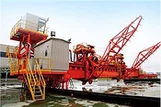
As a trusted supplier of Bucket Wheel Stackers, I understand the importance of grounding requirements in ensuring the safe and efficient operation of these heavy - duty machines. In this blog, I will delve into the essential grounding requirements for Bucket Wheel Stackers, shedding light on why they are crucial and how they contribute to the overall performance of the equipment.
Why Grounding is Necessary for Bucket Wheel Stackers
Bucket Wheel Stackers are large - scale industrial machines used in bulk material handling, such as in ports, mines, and power plants. These machines are exposed to various electrical and mechanical risks during their operation. Grounding serves as a fundamental safety measure to protect both the equipment and the operators.
Firstly, grounding helps to prevent electrical shock. During normal operation, electrical systems in Bucket Wheel Stackers carry significant amounts of current. In case of a fault, such as a short - circuit, the grounding system provides a low - resistance path for the electrical current to flow safely into the ground. This diverts the dangerous current away from the equipment's metal parts, reducing the risk of operators coming into contact with live electrical components.
Secondly, grounding helps to protect the equipment from damage caused by electrical surges. Lightning strikes, power grid fluctuations, or sudden changes in the electrical load can generate high - voltage surges. A proper grounding system can dissipate these surges, preventing them from causing damage to sensitive electrical components, such as control panels, motors, and sensors in the Bucket Wheel Stacker.
Grounding System Components
A comprehensive grounding system for a Bucket Wheel Stacker typically consists of several key components:
Grounding Electrodes
Grounding electrodes are the primary connection points between the electrical system of the Bucket Wheel Stacker and the earth. Common types of grounding electrodes include copper rods, galvanized steel rods, and grounding plates. These electrodes are buried in the ground at a sufficient depth to ensure good electrical contact with the soil. The number and spacing of grounding electrodes depend on factors such as the soil resistivity, the size of the equipment, and the electrical load.
Grounding Conductors
Grounding conductors are used to connect the electrical equipment on the Bucket Wheel Stacker to the grounding electrodes. These conductors are usually made of copper or aluminum, which have good electrical conductivity. The size of the grounding conductors is determined by the maximum fault current that the system may experience. Larger conductors are required for higher fault currents to ensure that the current can flow safely to the ground.
Bonding
Bonding is the process of connecting all metal parts of the Bucket Wheel Stacker together to create a continuous electrical path. This includes connecting the structural steel frame, electrical enclosures, and other metal components. Bonding helps to equalize the electrical potential between different parts of the equipment, reducing the risk of electrical arcing and static electricity buildup.
Grounding Requirements for Different Types of Bucket Wheel Stackers
Bucket Wheel Stacker Reclaimer
Bucket Wheel Stacker Reclaimers are multi - functional machines that can both stack and reclaim bulk materials. These machines have complex electrical systems, including motors for the bucket wheel, conveyor belts, and slewing mechanisms. The grounding requirements for Bucket Wheel Stacker Reclaimers are more stringent due to the higher electrical load and the presence of multiple electrical components.
The grounding electrodes for a Bucket Wheel Stacker Reclaimer should be installed at multiple locations around the machine to ensure a low - resistance grounding path. The grounding conductors should be sized appropriately to handle the fault current generated by the large motors. Additionally, all metal parts of the machine, including the bucket wheel, conveyor frames, and control cabins, should be properly bonded to prevent electrical hazards.


Cantilever Bucket Wheel Stacker
Cantilever Bucket Wheel Stackers are designed with a long cantilever structure that extends over the stockpile. These machines are often used in applications where space is limited. The grounding requirements for Cantilever Bucket Wheel Stackers are similar to those of other types of Bucket Wheel Stackers, but special attention should be paid to the grounding of the cantilever structure.
The cantilever structure is made of metal and is exposed to the elements. It is important to ensure that the grounding conductors are properly connected to the cantilever to prevent static electricity buildup and to protect the structure from lightning strikes. Additionally, the grounding system should be designed to accommodate the movement of the cantilever during operation.
Gantry Bucket Wheel Stacker Reclaimer
Gantry Bucket Wheel Stacker Reclaimers are large - scale machines that run on a gantry structure. These machines have significant electrical loads and are often used in high - capacity material handling operations. The grounding requirements for Gantry Bucket Wheel Stacker Reclaimers are focused on ensuring the stability and reliability of the grounding system.
The grounding electrodes for a Gantry Bucket Wheel Stacker Reclaimer should be installed along the gantry rails to provide a continuous grounding path. The grounding conductors should be connected to all electrical components on the gantry, including the motors, control panels, and lighting systems. Bonding should be carried out between the gantry structure, the bucket wheel unit, and other metal parts to prevent electrical hazards.
Installation and Maintenance of the Grounding System
Proper installation and maintenance of the grounding system are crucial to ensure its effectiveness. During the installation process, the grounding electrodes should be buried at the correct depth and spacing, and the grounding conductors should be connected securely. The soil resistivity should be measured to determine the appropriate type and number of grounding electrodes.
Regular maintenance of the grounding system is also necessary. This includes inspecting the grounding electrodes for corrosion, checking the integrity of the grounding conductors, and verifying the bonding connections. Any signs of damage or deterioration should be repaired immediately to ensure the safety and reliability of the Bucket Wheel Stacker.
Contact Us for Your Bucket Wheel Stacker Needs
If you are in the market for a high - quality Bucket Wheel Stacker and need more information about grounding requirements or other technical aspects, we are here to help. Our team of experts has extensive experience in the design, manufacturing, and installation of Bucket Wheel Stackers. We can provide you with customized solutions that meet your specific requirements.
Contact us today to start a procurement discussion. We look forward to working with you to provide the best Bucket Wheel Stacker solutions for your business.
References
- Electrical Safety Standards for Industrial Equipment. International Electrotechnical Commission (IEC).
- Handbook of Grounding for Electrical Systems. McGraw - Hill Professional.
- Guidelines for Bulk Material Handling Equipment. American Society of Mechanical Engineers (ASME).