Hey there! As a supplier of Linear Swing Ship Loaders, I often get asked about the installation and commissioning time for these nifty pieces of equipment. So, I thought I'd write this blog to shed some light on that topic.
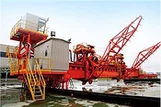
First off, let's understand what a Linear Swing Ship Loader is. It's a specialized machine used in ports and terminals to load bulk materials like coal, grain, and ore onto ships efficiently. Unlike some other types of ship loaders, the Linear Swing Ship Loader has a unique design that allows for both linear and swinging movements, which gives it more flexibility in reaching different parts of the ship's cargo hold.
Now, let's talk about the factors that affect the installation and commissioning time.
Site Preparation
One of the biggest factors is the site where the ship loader will be installed. If the site is already well - prepared, with a solid foundation and proper infrastructure in place, it can significantly reduce the installation time. However, if the site needs a lot of work, like leveling the ground, building a new foundation, or installing electrical and hydraulic systems, it can take much longer. For example, if the port is in a remote area where the ground is soft and needs extensive reinforcement, it could add weeks or even months to the project.
Size and Complexity of the Ship Loader
The size and complexity of the Linear Swing Ship Loader also play a huge role. Larger ship loaders with more advanced features and higher loading capacities will generally take longer to install and commission. A small - scale ship loader for a local port might be installed in a matter of weeks, while a large, state - of - the - art loader for a major international terminal could take several months. This is because larger loaders have more components, require more precise alignment, and often need more testing to ensure they work properly.
Weather Conditions
Weather can be a real wild card. In areas with harsh weather conditions, such as heavy rain, snow, or strong winds, the installation and commissioning process can be severely disrupted. For instance, working on a ship loader in the middle of a monsoon season can be extremely challenging. Workers may not be able to operate heavy machinery safely, and the equipment itself could be damaged by the weather. So, when planning the installation, it's important to take the local climate into account and schedule the work during the most favorable months.
Availability of Skilled Labor
Having a team of skilled technicians and workers is crucial. If there's a shortage of experienced labor in the area, it can slow down the entire process. Skilled workers are needed to assemble the components correctly, perform electrical and hydraulic connections, and conduct the necessary tests. Sometimes, suppliers may need to bring in their own team of experts from other locations, which can add to the project's timeline and cost.


Typical Installation and Commissioning Timeline
On average, for a medium - sized Linear Swing Ship Loader in a relatively well - prepared site with normal weather conditions and a skilled labor force, the installation process can take anywhere from 2 to 4 months. This includes the time to assemble the main structure, install the conveyor belts, electrical systems, and hydraulic components.
Once the installation is complete, the commissioning phase begins. Commissioning is all about testing the ship loader to make sure it works as expected. This involves running the loader at different speeds, loading different types of materials, and checking all the safety features. Commissioning usually takes around 1 to 2 weeks for a standard ship loader. However, if any issues are found during the testing, it could take longer to fix them and retest the system.
Comparison with Other Ship Loaders
It's interesting to compare the installation and commissioning time of the Linear Swing Ship Loader with other types of ship loaders. For example, the Arc Track Ship Loader has a different design that may require a different installation process. In some cases, the arc track design might allow for a quicker installation, especially if the site is already set up for this type of loader. On the other hand, the Fixed Bulk Ship Loader is, as the name suggests, fixed in one place. While it may be simpler to install in terms of its structure, the lack of mobility could mean that more time is spent on ensuring it's perfectly positioned for optimal loading.
Tips for a Smooth Installation and Commissioning
If you're planning to purchase a Linear Swing Ship Loader, here are some tips to make the installation and commissioning process go as smoothly as possible:
- Plan Ahead: Work with your supplier to create a detailed project plan that takes into account all the factors we've discussed. This includes site preparation, labor availability, and weather conditions.
- Choose a Reputable Supplier: A good supplier will have the experience and expertise to handle the installation and commissioning process efficiently. They'll also be able to provide support and troubleshooting if any issues arise.
- Train Your Staff: Make sure your staff is trained to operate and maintain the ship loader. This will not only ensure its proper functioning but also reduce the risk of breakdowns in the future.
Conclusion
So, as you can see, the installation and commissioning time for a Linear Swing Ship Loader can vary widely depending on several factors. But with proper planning, a skilled team, and a reliable supplier, you can expect a smooth and timely installation. If you're in the market for a Linear Swing Ship Loader or have any questions about the installation process, don't hesitate to reach out. We're here to help you every step of the way and ensure you get the most out of your investment.
References
- Industry standards and guidelines for ship loader installation and commissioning
- Previous installation projects of Linear Swing Ship Loaders