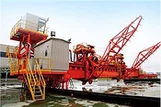
As a supplier of Mobile Radial Stackers, I often encounter inquiries about the anti - slip design of the conveyor belt on these machines. The anti - slip design is a crucial aspect that ensures the efficient and safe operation of the Mobile Radial Stacker. In this blog, I will delve into what the anti - slip design of the conveyor belt on a Mobile Radial Stacker entails.
The Importance of Anti - Slip Design
Before we explore the specific design features, it's essential to understand why anti - slip design is so important. Mobile Radial Stackers are used in various industries, such as mining, construction, and agriculture, to handle bulk materials like coal, gravel, and grains. These materials need to be transported smoothly along the conveyor belt to the desired stacking location. If the conveyor belt slips, it can lead to several problems.
Firstly, material spillage can occur. When the belt slips, the materials on it may not move forward as intended, causing them to fall off the sides of the belt. This not only results in material loss but also creates a safety hazard in the working environment. Workers may slip on the spilled materials, leading to potential injuries.
Secondly, a slipping conveyor belt can cause mechanical damage to the stacker. The extra friction generated by the slipping can wear out the belt, rollers, and other components more quickly, increasing maintenance costs and reducing the overall lifespan of the equipment.
Key Elements of Anti - Slip Design
Surface Texture
One of the primary ways to prevent belt slippage is by using a conveyor belt with a specialized surface texture. The belt surface can be designed with patterns or roughness to increase the friction between the belt and the rollers, as well as between the belt and the materials being transported.
For example, some belts have a chevron - shaped pattern on the surface. This pattern provides better grip on the materials, especially when the stacker is operating at an incline. The chevrons act like small barriers that prevent the materials from sliding backward, ensuring a continuous and stable flow of materials along the belt.
Another type of surface texture is a rough or gritty finish. This finish increases the frictional force between the belt and the rollers, reducing the likelihood of the belt slipping. The rough surface can be achieved through various manufacturing processes, such as embossing or adding abrasive particles to the belt material.
Belt Tensioning System
Proper belt tension is crucial for preventing slippage. A Mobile Radial Stacker is equipped with a belt tensioning system that ensures the belt remains taut at all times. The tensioning system typically consists of tensioning rollers and a mechanism to adjust the tension.
The tensioning rollers are positioned along the length of the conveyor to maintain the correct tension on the belt. They can be adjusted to increase or decrease the tension as needed, depending on the load and operating conditions. For instance, when the stacker is carrying a heavy load, the tensioning system can be adjusted to increase the belt tension, providing better traction and preventing slippage.
There are different types of tensioning mechanisms available. Some use a manual adjustment, where an operator can turn a screw or a lever to change the position of the tensioning rollers. Others are automated, using sensors to detect the belt tension and adjust it automatically. Automated tensioning systems are more precise and can respond quickly to changes in load or operating conditions, ensuring optimal performance of the conveyor belt.
Roller Design
The design of the rollers also plays a significant role in the anti - slip design of the conveyor belt. The rollers need to provide sufficient friction to drive the belt forward without causing excessive wear.
One aspect of roller design is the material used. Rollers can be made of materials with high friction coefficients, such as rubber - coated steel. The rubber coating increases the grip between the roller and the belt, reducing the chance of slippage.
The shape of the rollers can also affect the anti - slip performance. Some rollers have a crowned shape, which means the center of the roller is slightly thicker than the edges. This shape helps to keep the belt centered on the rollers and reduces the likelihood of the belt wandering or slipping off to one side.
Cleaning and Maintenance
Regular cleaning and maintenance are essential for maintaining the anti - slip properties of the conveyor belt. Dust, dirt, and other contaminants can accumulate on the belt surface over time, reducing the friction and increasing the risk of slippage.
A cleaning system can be installed on the Mobile Radial Stacker to remove these contaminants. For example, a scraper blade can be placed at the end of the belt to remove any materials that may stick to the belt surface. Additionally, periodic inspections and maintenance of the belt, rollers, and tensioning system are necessary to ensure that all components are in good working condition.
Comparison with Other Related Equipment
When considering the anti - slip design of the conveyor belt on a Mobile Radial Stacker, it's interesting to compare it with other related equipment in the industry. For example, the Wheeled Bulk Reception Feeder also uses conveyor belts for material handling. However, its anti - slip design may be different due to its specific application and operating conditions.
The Wheeled Bulk Reception Feeder is often used for receiving bulk materials at a transfer point. It may need to handle materials at a higher flow rate and may be subject to more abrupt changes in load. Therefore, its conveyor belt anti - slip design may focus more on quick response to load changes and high - speed operation.
On the other hand, the Mobile Reclaim Hopper is used for reclaiming materials from a stockpile. The anti - slip design of its conveyor belt may be optimized for handling materials with different moisture contents and densities, as the materials in a stockpile can vary widely.
Conclusion
In conclusion, the anti - slip design of the conveyor belt on a Mobile Radial Stacker is a complex and multi - faceted aspect that involves surface texture, belt tensioning, roller design, and proper cleaning and maintenance. By implementing these design elements, we can ensure the efficient, safe, and reliable operation of the stacker.


If you are in the market for a Mobile Radial Stacker or have any questions about the anti - slip design and other features of our equipment, please visit our Mobile Radial Stacker page. We are always ready to assist you with your procurement needs and have in - depth discussions about how our stackers can meet your specific requirements. Contact us today to start the procurement negotiation process and take your material handling operations to the next level.
References
- Conveyor Belt Technology Handbook, Industry Publishing House, 20XX
- Mobile Equipment Design and Operation Manual, Engineering Press, 20XX
- Research on Anti - Slip Mechanisms in Conveyor Systems, Journal of Material Handling Engineering, Vol. XX, No. XX, 20XX