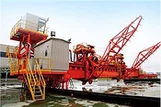
As a provider of Mobile Bulk Ship Loaders, I often encounter inquiries about the mobility range of these essential pieces of equipment. Understanding the mobility range is crucial for port operators, shipping companies, and other stakeholders involved in bulk material handling. In this blog post, I will delve into the factors that determine the mobility range of a Mobile Bulk Ship Loader and its significance in the shipping industry.
Understanding the Basics of a Mobile Bulk Ship Loader
A Mobile Bulk Ship Loader is a specialized machine designed to efficiently load bulk materials such as coal, iron ore, grains, and fertilizers onto ships. Unlike Fixed Bulk Ship Loaders, which are permanently installed at a specific location, Mobile Bulk Ship Loaders offer greater flexibility and can be moved around the port area to load different vessels. This mobility is one of the key advantages of using a Mobile Bulk Ship Loader, as it allows for more efficient use of port space and resources.
Factors Affecting the Mobility Range
Several factors influence the mobility range of a Mobile Bulk Ship Loader. These factors can be broadly categorized into mechanical, environmental, and operational considerations.


Mechanical Factors
- Wheelbase and Axle Configuration: The wheelbase and axle configuration of a Mobile Bulk Ship Loader play a significant role in determining its maneuverability. A longer wheelbase generally provides better stability at high speeds, while a shorter wheelbase allows for tighter turning radii. The number and arrangement of axles also affect the loader's ability to distribute weight evenly and navigate uneven terrain.
- Tire Type and Size: The type and size of tires used on a Mobile Bulk Ship Loader can impact its mobility. Larger tires with deeper treads provide better traction on soft or slippery surfaces, while smaller tires may be more suitable for maneuvering in confined spaces. Additionally, the choice of tire material can affect the loader's performance in different weather conditions.
- Power Source and Drive System: The power source and drive system of a Mobile Bulk Ship Loader determine its speed, acceleration, and climbing ability. Diesel engines are commonly used due to their high power output and reliability, but electric and hybrid options are becoming increasingly popular due to their lower emissions and operating costs. The drive system can be either wheeled or tracked, with each type offering different advantages in terms of mobility and terrain adaptability.
Environmental Factors
- Terrain and Surface Conditions: The terrain and surface conditions at the port can significantly affect the mobility of a Mobile Bulk Ship Loader. Soft or muddy ground may require the use of specialized tires or tracks to prevent the loader from getting stuck, while uneven or rocky surfaces may pose challenges for maneuverability. Additionally, the presence of obstacles such as containers, cranes, or other equipment can limit the loader's movement.
- Weather Conditions: Weather conditions such as rain, snow, and high winds can also impact the mobility of a Mobile Bulk Ship Loader. Wet or icy surfaces can reduce traction and increase the risk of skidding, while strong winds can affect the loader's stability and control. In extreme weather conditions, it may be necessary to limit the operation of the loader or take additional safety precautions.
- Port Layout and Infrastructure: The layout and infrastructure of the port, including the location of berths, access roads, and storage areas, can influence the mobility range of a Mobile Bulk Ship Loader. Narrow or congested areas may make it difficult for the loader to maneuver, while the availability of sufficient turning space and clearances is essential for safe and efficient operation.
Operational Factors
- Loading Capacity and Payload: The loading capacity and payload of a Mobile Bulk Ship Loader can affect its mobility. A loader with a higher loading capacity may be heavier and require more power to move, which can reduce its speed and maneuverability. Additionally, the distribution of the payload within the loader can impact its balance and stability.
- Operator Skill and Experience: The skill and experience of the operator play a crucial role in maximizing the mobility of a Mobile Bulk Ship Loader. A well-trained operator can navigate the loader safely and efficiently in different conditions, while an inexperienced operator may struggle to control the machine and may be more prone to accidents.
- Maintenance and Servicing: Regular maintenance and servicing are essential to ensure the optimal performance and mobility of a Mobile Bulk Ship Loader. Properly maintained equipment is less likely to experience breakdowns or malfunctions, which can disrupt operations and reduce productivity.
Significance of Mobility Range in the Shipping Industry
The mobility range of a Mobile Bulk Ship Loader is of great significance in the shipping industry. Here are some key reasons why:
- Flexibility and Efficiency: The ability to move a Mobile Bulk Ship Loader around the port area allows for greater flexibility in loading operations. It enables port operators to quickly respond to changing shipping schedules and vessel requirements, reducing turnaround times and increasing overall efficiency.
- Cost Savings: By eliminating the need for multiple fixed ship loaders, Mobile Bulk Ship Loaders can help reduce capital investment and operating costs. They also require less maintenance and servicing compared to fixed equipment, resulting in further cost savings over the long term.
- Enhanced Safety: The mobility of a Mobile Bulk Ship Loader allows for better access to different parts of the vessel, reducing the need for workers to operate in hazardous areas. It also enables operators to avoid obstacles and navigate around potential hazards, improving overall safety in the port environment.
- Sustainable Operations: Mobile Bulk Ship Loaders can contribute to more sustainable port operations by reducing emissions and energy consumption. Electric and hybrid models offer lower carbon footprints compared to traditional diesel-powered loaders, making them a more environmentally friendly choice.
Maximizing the Mobility Range of a Mobile Bulk Ship Loader
To maximize the mobility range of a Mobile Bulk Ship Loader, it is important to consider the following tips:
- Choose the Right Equipment: Select a Mobile Bulk Ship Loader that is suitable for the specific requirements of your port, including the type of bulk materials being handled, the terrain and surface conditions, and the size and layout of the port area.
- Train Your Operators: Provide comprehensive training to your operators to ensure they have the skills and knowledge necessary to operate the Mobile Bulk Ship Loader safely and efficiently. Regular refresher courses can help keep operators up-to-date with the latest techniques and best practices.
- Maintain Your Equipment: Establish a regular maintenance and servicing schedule for your Mobile Bulk Ship Loader to ensure it is in optimal condition. This includes checking the tires, brakes, hydraulic systems, and other critical components on a regular basis.
- Plan Your Operations: Carefully plan your loading operations to make the most of the mobility range of your Mobile Bulk Ship Loader. This includes considering the location of the vessel, the access roads, and the storage areas, as well as any potential obstacles or hazards.
Conclusion
In conclusion, the mobility range of a Mobile Bulk Ship Loader is determined by a combination of mechanical, environmental, and operational factors. Understanding these factors and taking steps to maximize the mobility of your loader can help improve efficiency, reduce costs, enhance safety, and contribute to more sustainable port operations.
If you are interested in learning more about our Mobile Bulk Ship Loaders or would like to discuss your specific requirements, please feel free to contact us. Our team of experts is ready to assist you in finding the right solution for your bulk material handling needs.