Hey there! As a supplier of Stacker Reclaimers, I often get asked about the different components and functions of these machines. One crucial part that plays a significant role in their operation is the dust suppression system. So, let's dive into what the function of the dust suppression system in a Stacker Reclaimer is.
What is a Stacker Reclaimer?
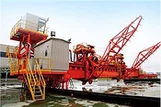
Before we get into the dust suppression system, let's quickly go over what a Stacker Reclaimer is. It's a large industrial machine used in bulk material handling, commonly found in ports, mines, and power plants. Stacker Reclaimers are designed to stack materials like coal, ore, and grains onto stockpiles and then reclaim them when needed. They're pretty massive and can handle large volumes of materials efficiently.
The Problem with Dust
When dealing with bulk materials, dust is an inevitable by - product. Whether it's during the stacking process, where materials are being dumped onto the stockpile, or the reclaiming process, where materials are being picked up and transported, dust can be generated. And this dust isn't just a minor nuisance; it can cause several problems.
Firstly, dust can be a health hazard to the workers operating the Stacker Reclaimer and those in the surrounding area. Inhalation of fine dust particles can lead to respiratory problems, including asthma, bronchitis, and even more severe lung diseases over time.
Secondly, dust can have a negative impact on the environment. It can contaminate the air, soil, and water in the vicinity of the operation. For example, dust particles can settle on nearby vegetation, reducing its ability to photosynthesize and grow. In water bodies, dust can increase sedimentation, which can harm aquatic life.
Thirdly, dust can also cause damage to the Stacker Reclaimer itself and other equipment in the area. Dust can get into the moving parts of the machine, causing increased wear and tear, and potentially leading to breakdowns and costly repairs.
How the Dust Suppression System Works
This is where the dust suppression system comes in. Its main function is to reduce the amount of dust generated during the operation of the Stacker Reclaimer. There are several ways in which it does this.
One common method is through the use of water sprays. The dust suppression system is equipped with a series of nozzles that spray water onto the material as it's being stacked or reclaimed. The water droplets bind to the dust particles, making them heavier and causing them to fall to the ground instead of becoming airborne. This is a simple yet effective way to control dust.
Another approach is the use of chemical additives in the water. These additives can enhance the dust - binding properties of the water, making it more effective at capturing dust particles. Some additives can also help to prevent the dust from re - becoming airborne once it has settled.
The dust suppression system is usually integrated with the Stacker Reclaimer's control system. This means that it can be adjusted according to the specific operating conditions. For example, if the material being handled is particularly dusty, the system can increase the water flow rate or the concentration of the chemical additives.
Benefits of a Good Dust Suppression System
Having an effective dust suppression system on a Stacker Reclaimer offers numerous benefits.
From a health and safety perspective, it significantly reduces the risk of respiratory diseases for the workers. This not only improves their quality of life but also reduces the absenteeism and associated costs for the employer.
In terms of the environment, it helps to keep the air, soil, and water clean. This is especially important in areas where environmental regulations are strict. By complying with these regulations, the operation can avoid hefty fines and maintain a good reputation in the community.
For the equipment, a dust suppression system can extend the lifespan of the Stacker Reclaimer and other machinery. With less dust in the air, there is less chance of dust getting into the moving parts and causing damage. This means fewer breakdowns, less maintenance, and ultimately, lower operating costs.

The Role of the Supplier
As a Stacker Reclaimer supplier, we understand the importance of a reliable dust suppression system. We work closely with our clients to design and install a system that meets their specific needs. We take into account factors such as the type of material being handled, the operating environment, and the local regulations.
For example, if a client is handling bauxite, which can be quite dusty, we might recommend a more advanced dust suppression system with high - pressure water sprays and effective chemical additives. And if you're interested in our Bauxite Ship Loader, which is a part of our Stacker Reclaimer product line, you can check it out here.
We also provide ongoing support and maintenance for the dust suppression system. This includes regular inspections, cleaning of the nozzles, and replacement of worn - out parts. We want to ensure that our clients' Stacker Reclaimers are operating at their best and that the dust suppression system is working effectively at all times.
Contact Us for Your Dust Suppression Needs
If you're in the market for a Stacker Reclaimer or need to upgrade your existing dust suppression system, don't hesitate to get in touch with us. We have a team of experts who can answer all your questions and provide you with a customized solution. Whether you're dealing with coal, ore, or any other bulk material, we have the knowledge and experience to help you keep your operation dust - free and running smoothly.
References
- Industrial Bulk Material Handling Handbook
- Environmental Regulations for Dust Control in Mining and Industrial Operations
- Health and Safety Guidelines for Workers in Bulk Material Handling Facilities