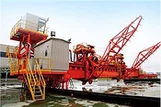
Vibration is a common yet often underestimated factor that can significantly affect the performance and longevity of a Stacker Reclaimer's components. As a leading Stacker Reclaimer supplier, we have witnessed firsthand the diverse impacts of vibration on these critical machines, which are widely used in industries such as mining, power generation, and ports for efficient material handling.
Understanding Vibration in Stacker Reclaimers
Before delving into the impacts, it is essential to understand the sources of vibration in Stacker Reclaimers. Vibration can stem from various factors, including mechanical imbalances in rotating components such as motors, gears, and pulleys. When these components are not properly balanced, they can create uneven forces that lead to vibrations. Another common source is the interaction between the equipment and the material being handled. For example, when a Stacker Reclaimer is reclaiming or stacking materials with inconsistent particle sizes or densities, it can cause vibrations as the machine tries to adapt to the changing load.
Environmental factors can also contribute to vibration. Wind forces acting on the large structure of the Stacker Reclaimer can induce vibrations, especially in areas with high - wind conditions. Additionally, the unevenness of the ground on which the machine operates can cause vibrations as the wheels or tracks move over bumps and irregularities.

Impact on Structural Components
One of the most significant impacts of vibration is on the structural components of the Stacker Reclaimer. The frame, boom, and support structures are designed to withstand certain loads and stresses. However, continuous vibration can lead to fatigue cracking. Fatigue occurs when a material is subjected to repeated cyclic loading, and over time, small cracks can form and propagate. These cracks can compromise the structural integrity of the machine, increasing the risk of catastrophic failure.
For instance, the boom of a Stacker Reclaimer, which is used to stack or reclaim materials, is under constant stress. Vibration can exacerbate this stress, causing the metal to weaken at critical points. If left undetected and unaddressed, a crack in the boom can lead to its collapse, resulting in significant downtime and costly repairs.
Moreover, vibration can loosen bolts and fasteners that hold the structural components together. Loose bolts can lead to misalignment of parts, further increasing the stress on the structure and other components. This can create a vicious cycle where the misalignment causes more vibration, which in turn loosens more bolts.
Impact on Mechanical Components
Mechanical components such as motors, gearboxes, and bearings are also highly susceptible to the effects of vibration. In motors, vibration can cause misalignment of the rotor and stator, leading to increased wear and tear on the motor's windings. This can result in reduced motor efficiency, increased energy consumption, and ultimately, motor failure.
Gearboxes are another critical component that can be severely affected by vibration. Vibration can cause the gears to mesh improperly, leading to uneven wear on the gear teeth. This can result in noise, reduced power transmission efficiency, and eventually, gear failure. Additionally, vibration can damage the bearings within the gearbox, which support the rotating shafts. Worn - out bearings can lead to increased friction, heat generation, and ultimately, seizure of the gearbox.
Bearings are particularly sensitive to vibration. Excessive vibration can cause the rolling elements (balls or rollers) to wear unevenly, leading to premature bearing failure. A failed bearing can cause the shaft to become misaligned, which can then damage other components in the machine. This can result in unexpected breakdowns and costly replacements.
Impact on Electrical Components
Electrical components in a Stacker Reclaimer are also at risk due to vibration. Vibration can cause loose connections in electrical wiring, which can lead to intermittent electrical faults. These faults can be difficult to diagnose and can cause disruptions in the operation of the machine. For example, a loose connection in a control panel can cause the machine to malfunction, leading to incorrect material handling or even safety hazards.
In addition, vibration can damage sensitive electronic components such as sensors and controllers. These components are used to monitor and control the operation of the Stacker Reclaimer. If they are damaged, the machine may not be able to operate at optimal efficiency, and it may be difficult to detect and correct problems in a timely manner.
Mitigating the Impact of Vibration
As a Stacker Reclaimer supplier, we understand the importance of mitigating the impact of vibration. Regular maintenance and inspection are crucial. This includes checking for loose bolts, monitoring the alignment of components, and inspecting for signs of fatigue cracking in the structure.
Balancing rotating components is also essential. By ensuring that motors, pulleys, and other rotating parts are properly balanced, we can reduce the amount of vibration generated. Additionally, using vibration - isolating mounts and dampers can help absorb and reduce the transmission of vibration to other components.
Advanced monitoring systems can be installed to detect early signs of vibration. These systems can continuously monitor the vibration levels of various components and provide real - time alerts if the levels exceed a certain threshold. This allows for proactive maintenance and can prevent costly breakdowns.
The Role of High - Quality Equipment
Investing in high - quality Stacker Reclaimers can also help reduce the impact of vibration. At our company, we use advanced engineering and manufacturing techniques to design and build Stacker Reclaimers that are more resistant to vibration. Our machines are built with high - strength materials and precise manufacturing tolerances, which help minimize the sources of vibration.
For example, we use state - of - the - art balancing equipment to ensure that all rotating components are perfectly balanced before installation. Our structural designs are optimized to withstand the forces generated during operation, reducing the risk of fatigue cracking.
The Need for Regular Maintenance
Regular maintenance is the key to ensuring the long - term performance of a Stacker Reclaimer. By performing routine inspections, lubrication, and component replacements, we can prevent many of the problems associated with vibration. For example, regularly checking and tightening bolts can prevent them from coming loose, and replacing worn - out bearings can prevent further damage to other components.
In addition, maintenance technicians should be trained to recognize the signs of vibration - related problems. This includes listening for unusual noises, feeling for excessive vibrations, and inspecting for signs of wear and damage. By catching problems early, we can minimize the impact on the machine's performance and reduce the cost of repairs.
Conclusion
In conclusion, vibration can have a significant impact on a Stacker Reclaimer's components, affecting the structural, mechanical, and electrical parts of the machine. As a Stacker Reclaimer supplier, we are committed to providing our customers with high - quality equipment and solutions to mitigate the effects of vibration. By understanding the sources and impacts of vibration, and by implementing proper maintenance and monitoring strategies, we can ensure that our Stacker Reclaimers operate efficiently and reliably for many years.
If you are in the market for a Stacker Reclaimer or need to upgrade your existing equipment, we invite you to [Contact us for more information]. Our team of experts is ready to assist you in selecting the right equipment for your needs and providing you with the support and maintenance services to keep your machine running smoothly. For more information on related equipment, you can also visit our Bauxite Ship Loader page.
References
- "Handbook of Vibration Analysis and Testing" by John D. Graham
- "Mechanical Engineering Design" by Joseph E. Shigley and Charles R. Mischke
- Industry reports on Stacker Reclaimer maintenance and performance