Hey there! I'm a supplier of Bucket Wheel Stackers, and I'm super excited to dive into how the control software of these machines works. These stackers are pretty amazing pieces of equipment, used in various industries like mining, power plants, and ports to handle bulk materials efficiently. So, let's get started!
The Basics of a Bucket Wheel Stacker
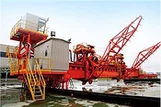
First off, let's quickly go over what a Bucket Wheel Stacker is. There are different types, like the Bucket Wheel Stacker Reclaimer, Cantilever Bucket Wheel Stacker, and Gantry Bucket Wheel Stacker Reclaimer. In simple terms, it's a large machine with a rotating bucket wheel that can pick up bulk materials like coal, ore, or grains from a conveyor belt and stack them in a pile or reclaim them from the pile and load them back onto the conveyor.
The Role of Control Software
The control software is the brain of the Bucket Wheel Stacker. It's responsible for managing all the operations of the machine, ensuring that it works smoothly, safely, and efficiently. Without it, the stacker would be a pretty useless hunk of metal.
Monitoring and Sensing
One of the key functions of the control software is to monitor the various sensors on the stacker. These sensors can detect things like the position of the bucket wheel, the speed of the conveyor belts, the weight of the materials being handled, and the temperature of the motors. By constantly collecting data from these sensors, the software can keep track of the machine's performance and make sure everything is running as it should.
For example, if the sensor detects that the conveyor belt is running too fast, the software can automatically adjust the speed to prevent any damage to the belt or the materials. Similarly, if the temperature of a motor gets too high, the software can shut down the motor to avoid overheating and potential fire hazards.
Automation and Sequencing
Another important function of the control software is to automate the operations of the stacker. It can control the movement of the bucket wheel, the boom, and the conveyor belts in a pre - programmed sequence. This means that the stacker can perform complex tasks like stacking and reclaiming materials without the need for constant manual intervention.


Let's say you want to stack a large amount of coal in a specific pattern. You can program the control software to move the bucket wheel to the right position, pick up the coal from the conveyor, and stack it in the desired pattern. The software will then execute the sequence step by step, making sure that each movement is precise and accurate.
Safety Features
Safety is a top priority when it comes to operating a Bucket Wheel Stacker. The control software has several built - in safety features to prevent accidents and protect the operators and the machine itself.
For instance, there are emergency stop buttons connected to the control software. If an operator presses the emergency stop button, the software will immediately shut down all the moving parts of the stacker. There are also collision detection sensors that can detect if the stacker is about to hit an object. When this happens, the software will stop the machine's movement to avoid a collision.
How the Software is Developed
Developing the control software for a Bucket Wheel Stacker is a complex process that requires a lot of expertise. It usually involves a team of engineers and programmers who work together to design and code the software.
Requirements Gathering
The first step is to gather the requirements from the end - users. This includes understanding the specific needs of the industry, the type of materials to be handled, and the desired operations of the stacker. For example, a mining company might have different requirements compared to a power plant.
Design and Coding
Once the requirements are gathered, the engineers will design the architecture of the software. This involves deciding on the programming languages, the algorithms to be used, and the overall structure of the software. Then, the programmers will start coding the software according to the design.
Testing and Validation
After the software is coded, it goes through a rigorous testing and validation process. This includes testing the software in a simulated environment to make sure it works as expected. The software is also tested on a real - life Bucket Wheel Stacker to ensure that it can handle the actual operating conditions.
Integration with Other Systems
The control software of a Bucket Wheel Stacker doesn't work in isolation. It needs to be integrated with other systems in the plant, such as the overall plant control system and the inventory management system.
Plant Control System Integration
When integrated with the plant control system, the stacker's control software can communicate with other machines in the plant. For example, it can receive instructions from the plant control system about how much material needs to be stacked or reclaimed at a given time. This allows for better coordination and optimization of the overall plant operations.
Inventory Management System Integration
Integrating with the inventory management system is also important. The control software can provide real - time data about the amount of materials being stacked or reclaimed. This data can be used by the inventory management system to keep track of the stock levels and plan for future operations.
User Interface
The control software also has a user interface (UI) that allows the operators to interact with the machine. The UI is designed to be user - friendly, with clear displays and easy - to - use controls.
Displaying Information
The UI can display all the important information about the stacker's operations, such as the current position of the bucket wheel, the speed of the conveyor belts, and the status of the sensors. This gives the operators a clear picture of what's going on with the machine at all times.
Manual Control
Even though the stacker can operate automatically, there are times when manual control is needed. The UI provides the operators with the ability to manually control the movement of the bucket wheel, the boom, and the conveyor belts. This can be useful for tasks like fine - tuning the stacking pattern or dealing with unexpected situations.
Updating and Maintenance
The control software of a Bucket Wheel Stacker needs to be updated and maintained regularly. As technology advances and new features become available, the software can be updated to improve the performance and functionality of the stacker.
Software Updates
Software updates can add new features, improve the existing ones, or fix any bugs or glitches in the software. For example, a new update might include a more advanced collision detection algorithm or a better way to optimize the stacking pattern.
Maintenance
Regular maintenance of the control software is also crucial. This includes checking the software for any errors, backing up the data, and making sure that the software is compatible with the hardware of the stacker.
Conclusion
In conclusion, the control software of a Bucket Wheel Stacker is an essential part of the machine. It plays a vital role in monitoring, automating, and ensuring the safety of the stacker's operations. With its advanced features and capabilities, it allows the stacker to work efficiently and effectively in various industrial applications.
If you're in the market for a Bucket Wheel Stacker, it's important to choose a supplier that offers high - quality control software. A good control software can make a big difference in the performance and reliability of the stacker.
If you're interested in learning more about our Bucket Wheel Stackers and their control software, or if you're thinking about making a purchase, don't hesitate to reach out to us. We're always happy to have a chat and discuss how our stackers can meet your specific needs.
References
- "Industrial Automation for Bulk Material Handling" - A technical guide on the automation of bulk material handling equipment.
- "Safety Standards for Heavy Machinery" - A set of standards and guidelines for the safe operation of large industrial machines like Bucket Wheel Stackers.