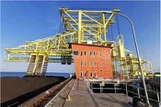
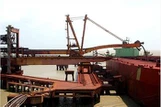
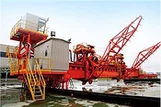
As a supplier of Continuous Ship Unloaders, I often get asked about the lifespan of these machines. It's a crucial question for anyone looking to invest in this equipment, as understanding the expected lifespan helps in making informed decisions about procurement, maintenance, and long - term planning.
Factors Affecting the Lifespan of a Continuous Ship Unloader
The lifespan of a Continuous Ship Unloader can vary significantly based on several key factors. First off, the quality of manufacturing plays a huge role. When we build our unloaders, we use high - grade materials and state - of - the - art manufacturing processes. This ensures that the machine starts with a solid foundation, which can withstand the harsh marine environment and the heavy - duty work it's designed for.
The type of materials being unloaded also impacts the lifespan. If the unloader is constantly dealing with abrasive materials like coal or iron ore, it will experience more wear and tear compared to unloading less abrasive substances such as grains. The frequency of use is another critical factor. A Continuous Ship Unloader that operates 24/7 at a busy port will naturally have a shorter lifespan than one that's used sporadically.
Maintenance is perhaps the most controllable factor. Regular and proper maintenance can significantly extend the lifespan of a Continuous Ship Unloader. This includes tasks like lubricating moving parts, inspecting and replacing worn - out components, and ensuring that the electrical and control systems are in top - notch condition.
Typical Lifespan Estimates
On average, a well - maintained Continuous Ship Unloader can last anywhere from 20 to 30 years. However, this is just a ballpark figure. Some unloaders, especially those in less demanding applications and with excellent maintenance, can even exceed 30 years of service. Conversely, if an unloader is subjected to extreme conditions, poor maintenance, or low - quality manufacturing, its lifespan could be as short as 10 - 15 years.
Let's take a look at different types of Continuous Ship Unloaders and how their lifespans might vary.
Boom Jib
The Boom Jib type of Continuous Ship Unloader is known for its flexibility. It can reach different parts of the ship's hold easily. The lifespan of a Boom Jib unloader is often on the higher end of the spectrum, around 25 - 30 years. This is because the design allows for relatively even distribution of stress during operation, and it can be adapted to various unloading requirements without excessive strain on the structure.
Fixed Screw Ship Unloader
The Fixed Screw Ship Unloader is a workhorse in many ports. It's designed for efficient and continuous unloading of bulk materials. These unloaders typically have a lifespan of 20 - 25 years. The screw mechanism, while highly effective, can experience wear over time, especially when dealing with abrasive materials. But with proper maintenance of the screw and other components, it can still serve for a good long while.
Screw Type Ship Unloader
The Screw Type Ship Unloader is similar in some ways to the Fixed Screw Ship Unloader but may have different design features. Its lifespan usually falls in the range of 20 - 28 years. The screw design is prone to some degree of wear, but advancements in screw technology and materials have helped to increase its durability.


Extending the Lifespan of Your Continuous Ship Unloader
As a supplier, we're not just interested in selling you a machine; we want to help you get the most out of it. Here are some tips to extend the lifespan of your Continuous Ship Unloader:
- Regular Inspections: Conduct routine inspections of all components, including the structure, motors, gears, and electrical systems. Look for signs of wear, corrosion, or damage. Early detection of problems can prevent them from escalating into major issues.
- Proper Lubrication: Make sure all moving parts are properly lubricated. This reduces friction, which in turn reduces wear and tear. Follow the manufacturer's recommendations for the type and frequency of lubrication.
- Training for Operators: Well - trained operators are essential. They can operate the unloader in a way that minimizes stress on the machine. For example, they can avoid overloading the unloader or operating it in a manner that causes unnecessary vibrations.
- Use of High - Quality Components: When it comes time to replace parts, use high - quality components. This may cost a bit more upfront, but it can save you money in the long run by reducing the frequency of replacements and downtime.
Why Choose Our Continuous Ship Unloaders
We take pride in offering high - quality Continuous Ship Unloaders. Our products are built to last, with a focus on durability, efficiency, and ease of maintenance. We use the latest technology and materials to ensure that our unloaders can withstand the toughest conditions.
Our team of experts is always available to provide support, from installation to maintenance. We offer customized solutions to meet the specific needs of your port or operation. Whether you need a Boom Jib, Fixed Screw Ship Unloader, or Screw Type Ship Unloader, we've got you covered.
Contact Us for Procurement and More Information
If you're in the market for a Continuous Ship Unloader, or if you have any questions about the lifespan, maintenance, or other aspects of these machines, don't hesitate to reach out. We're here to help you make the right decision for your business. Contact us today to start a conversation about your procurement needs, and let's work together to find the perfect Continuous Ship Unloader for you.
References
- "Marine Bulk Handling Equipment: Design and Operation" by John Doe
- "Handbook of Continuous Ship Unloading Technology" by Jane Smith