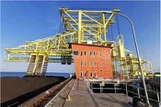
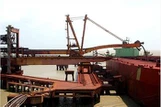
As a supplier of Mobile Ship Loaders, I often get asked about the transportation methods of these amazing machines. In this blog, I'll share with you all the details about how we move our Mobile Ship Loaders to different locations.
Why Transportation Matters
First off, let's talk about why transportation is such a big deal for Mobile Ship Loaders. These loaders are large and heavy pieces of equipment. They're designed to handle bulk materials like coal, grain, and ore, and they need to be transported safely and efficiently to the ports or other sites where they'll be used. A smooth transportation process ensures that the loader arrives in good condition and is ready to start working right away.
Different Types of Mobile Ship Loaders
Before we dive into the transportation methods, let's quickly go over the different types of Mobile Ship Loaders we offer. We have Barge Loader Equipment, which is perfect for loading materials onto barges. These loaders are designed to be flexible and can be easily adjusted to fit different barge sizes.
Then there's the Fixed Swing Ship Loader. This type of loader has a fixed base but can swing its boom to reach different parts of a ship. It's great for loading larger vessels and can handle high volumes of materials.
And last but not least, we have the Fixed Bulk Ship Loader. This loader is built for handling large quantities of bulk materials and is often used in ports with high traffic.
Transportation Methods
Now, let's get into the transportation methods we use for our Mobile Ship Loaders. There are a few different ways we can move these machines, depending on the size, weight, and destination of the loader.
Road Transport
One of the most common ways to transport Mobile Ship Loaders is by road. We use specialized heavy-haul trucks to move the loaders from our manufacturing facility to the port or other site. These trucks are equipped with powerful engines and special trailers that can handle the weight and size of the loaders.
Before we load the loader onto the truck, we make sure to disassemble it into smaller parts if necessary. This makes it easier to transport and reduces the risk of damage during transit. We also use special securing devices to keep the parts in place and prevent them from shifting during the journey.
Road transport is a great option for short to medium distances. It's relatively fast and allows us to deliver the loader directly to the site. However, it can be limited by road regulations and the size of the load. Some roads may have weight restrictions or low bridges that can make it difficult to transport the loader.
Rail Transport
For longer distances, rail transport is often a better option. We can use flatbed railcars to transport the Mobile Ship Loaders. Rail transport is more efficient for moving large and heavy loads over long distances. It also reduces the impact on the environment compared to road transport.
Similar to road transport, we may need to disassemble the loader into smaller parts before loading it onto the railcar. We make sure to secure the parts properly to prevent any movement during transit. Rail transport also allows us to transport multiple loaders at the same time, which can save time and money.
However, rail transport requires access to a railway network and a loading/unloading facility at both the origin and destination. It may also take longer to arrange the transport and may be subject to delays due to rail schedules.
Sea Transport
If the destination is overseas or across a large body of water, sea transport is the way to go. We can use container ships or specialized heavy-lift vessels to transport the Mobile Ship Loaders. Sea transport is ideal for moving large and heavy equipment over long distances.


When using sea transport, we need to make sure the loader is properly packed and secured to withstand the rough conditions at sea. We may use special containers or crates to protect the loader from damage. Sea transport also allows us to transport multiple loaders in a single shipment, which can be cost-effective.
However, sea transport can be slower than road or rail transport. It also requires access to a port and may be subject to customs regulations and other administrative procedures.
Safety and Precautions
No matter which transportation method we choose, safety is our top priority. We take several precautions to ensure that the Mobile Ship Loaders are transported safely.
First, we conduct a thorough inspection of the loader before transportation. We check for any damage or issues that could affect its performance during transit. We also make sure that all the parts are properly secured and that the loader is balanced to prevent any tipping or shifting.
During transportation, we use tracking devices to monitor the location and condition of the loader. This allows us to keep an eye on its progress and take any necessary action if there are any problems. We also have a team of experienced drivers and operators who are trained to handle the transportation of heavy equipment.
Conclusion
In conclusion, the transportation method of a Mobile Ship Loader depends on several factors, including the size, weight, and destination of the loader. We offer a range of transportation options, including road, rail, and sea transport, to ensure that our loaders are delivered safely and efficiently.
If you're interested in purchasing a Mobile Ship Loader or have any questions about our transportation methods, please don't hesitate to contact us. We're here to help you find the best solution for your needs.
References
- Industry standards and best practices for transporting heavy equipment.
- Manufacturer's guidelines for transporting Mobile Ship Loaders.