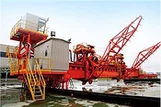
As a supplier of Arc Track Ship Loaders, I've witnessed firsthand the remarkable capabilities and versatility of these machines. In this blog post, I'll delve into the upgrade potential of an Arc Track Ship Loader, exploring the various aspects that can be enhanced to improve its performance, efficiency, and adaptability.
1. Technological Upgrades
Automation and Control Systems
One of the most significant areas of upgrade potential lies in the automation and control systems of an Arc Track Ship Loader. Modern automation technologies can transform the operation of these loaders, making them more precise, efficient, and safe. For example, advanced sensor systems can be installed to monitor the position of the loader, the flow of materials, and the condition of the ship. These sensors can provide real-time data to the control system, allowing for automatic adjustments to be made to optimize the loading process.
Automated control systems can also reduce the need for manual intervention, minimizing the risk of human error and improving overall productivity. For instance, the loader can be programmed to follow a pre-defined loading pattern based on the ship's layout and the type of cargo being loaded. This not only ensures a more even distribution of the cargo but also reduces the time required for loading.
Communication and Connectivity
In today's digital age, communication and connectivity are essential for the efficient operation of any industrial equipment. Arc Track Ship Loaders can be upgraded with advanced communication systems to enable remote monitoring and control. This allows operators to monitor the performance of the loader from a central control room or even from a remote location, providing real-time insights into its operation and enabling quick response to any issues that may arise.
Connectivity can also enhance the integration of the loader with other systems in the port environment, such as the cargo handling system, the logistics management system, and the vessel traffic management system. By sharing data and information between these systems, the overall efficiency of the port can be improved, leading to faster turnaround times and reduced costs.
2. Structural and Mechanical Upgrades
Boom and Conveyor System
The boom and conveyor system are the heart of an Arc Track Ship Loader, responsible for transferring the cargo from the shore to the ship. Upgrading these components can significantly improve the loader's performance and capacity. For example, the boom can be extended to reach larger vessels or to cover a wider loading area. This can increase the loader's versatility and allow it to handle a greater variety of ships.
The conveyor system can also be upgraded with higher-capacity belts, more powerful motors, and advanced tracking systems to improve the flow of materials and reduce the risk of spillage. Additionally, the use of wear-resistant materials and advanced maintenance techniques can extend the lifespan of the conveyor system, reducing downtime and maintenance costs.
Track and Mobility System
The track and mobility system of an Arc Track Ship Loader determine its ability to move along the quay and position itself accurately for loading. Upgrading these components can improve the loader's maneuverability and stability. For example, the track system can be replaced with a more robust and durable design, capable of withstanding heavy loads and harsh operating conditions.
The mobility system can also be enhanced with advanced steering and propulsion systems to improve the loader's ability to navigate tight spaces and make precise adjustments to its position. This can reduce the time required for positioning the loader and improve the overall efficiency of the loading process.
3. Environmental and Safety Upgrades
Dust Suppression Systems
One of the major environmental concerns associated with ship loading operations is the generation of dust. Arc Track Ship Loaders can be upgraded with advanced dust suppression systems to minimize the release of dust into the atmosphere. These systems can include water sprays, misting systems, and dust collectors, which can capture and remove dust particles before they are released into the air.
By reducing dust emissions, these upgrades not only improve the environmental impact of the loading operation but also create a safer and healthier working environment for the operators and other personnel in the vicinity.
Safety Features
Safety is always a top priority in any industrial operation, and Arc Track Ship Loaders are no exception. Upgrading the safety features of the loader can reduce the risk of accidents and injuries. For example, the loader can be equipped with advanced collision detection systems, which use sensors to detect the presence of other objects in the vicinity and automatically stop the loader to prevent collisions.
Other safety features that can be upgraded include emergency stop buttons, safety barriers, and warning systems. These features can provide additional protection for the operators and other personnel working around the loader, ensuring a safe and secure working environment.


4. Adaptability and Customization Upgrades
Compatibility with Different Cargo Types
Arc Track Ship Loaders are designed to handle a wide range of cargo types, including bulk materials such as coal, iron ore, and grain, as well as general cargo such as containers and breakbulk. However, upgrading the loader to be more compatible with specific cargo types can improve its efficiency and performance.
For example, the conveyor system can be modified to handle different types of materials, such as sticky or abrasive materials. Specialized loading attachments can also be installed to improve the handling of specific cargo types, such as containers or liquid cargo.
Integration with Existing Infrastructure
In many cases, Arc Track Ship Loaders need to be integrated with existing infrastructure in the port, such as the quay, the storage facilities, and the cargo handling equipment. Upgrading the loader to be more compatible with the existing infrastructure can reduce the need for costly modifications and ensure a smooth and efficient operation.
For example, the loader can be designed to fit within the existing quay layout and to interface with the existing cargo handling systems. This can minimize the disruption to the port operations during the installation and commissioning of the loader and ensure that it can be quickly integrated into the existing workflow.
Conclusion
The upgrade potential of an Arc Track Ship Loader is vast, offering numerous opportunities to improve its performance, efficiency, and adaptability. By investing in technological, structural, mechanical, environmental, and safety upgrades, operators can enhance the capabilities of their loaders and stay competitive in the ever-evolving shipping industry.
If you're interested in learning more about the upgrade options available for your Arc Track Ship Loader or if you're considering purchasing a new loader, please don't hesitate to contact us for a consultation. Our team of experts is ready to assist you in finding the best solutions for your specific needs.
References
- "Ship Loading Technology: Advancements and Trends" - Journal of Maritime Engineering
- "Automation in Port Operations: Benefits and Challenges" - International Journal of Logistics and Supply Chain Management
- "Safety Standards for Ship Loading Equipment" - International Maritime Organization