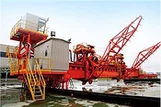
Hey there! As a supplier of Catenary Bucket Unloaders, I'm super stoked to chat with you about the maintenance these bad boys need. Catenary Bucket Unloaders are pretty awesome pieces of machinery, used in all sorts of industries to unload bulk materials from ships. But like any piece of heavy - duty equipment, they need proper care to keep running smoothly.
Let's start with the basics. First off, regular inspections are a must. You gotta check out the whole machine from top to bottom on a routine basis. Look at the buckets themselves. Over time, they can get worn out due to the constant scraping and scooping of materials. Check for any signs of cracks, dents, or excessive wear. If you notice any issues, it's best to replace the buckets right away. A damaged bucket can not only reduce the efficiency of the unloader but also cause problems for the rest of the system.
The chains that hold the buckets are another critical component. These chains are under a lot of stress during operation. Make sure to inspect them for any signs of stretching, corrosion, or broken links. Lubrication is key here. You should lubricate the chains regularly to reduce friction and prevent premature wear. And don't forget to check the tension of the chains. If they're too loose, the buckets might not move properly, and if they're too tight, it can put extra strain on the chain and the drive system.
Now, let's talk about the drive system. This includes the motors, gearboxes, and belts. The motors are the heart of the Catenary Bucket Unloader, providing the power to make everything move. Check the motor's electrical connections for any signs of loose wires or corrosion. Listen for any strange noises coming from the motor, as this could indicate a problem with the bearings or other internal components.
The gearboxes are responsible for transferring the power from the motor to the chains and buckets. They need to be checked for proper oil levels and the quality of the oil. Over time, the oil can break down and lose its lubricating properties. If the oil looks dirty or has a strange smell, it's time for a change. Also, inspect the gear teeth for any signs of wear or damage.
The belts, if your unloader uses them, are also important. Look for signs of cracking, fraying, or slipping. Adjust the belt tension as needed to ensure smooth operation. A loose belt can cause power loss and reduce the efficiency of the unloader, while an overly tight belt can put too much stress on the pulleys and other components.
The structure of the Catenary Bucket Unloader is another area that needs attention. The frame and support structures can be subject to corrosion, especially if the unloader is used in a marine environment. Regularly inspect the structure for any signs of rust or damage. If you find any areas of corrosion, clean and paint them to prevent further deterioration. Also, check the bolts and nuts that hold the structure together. Make sure they're tight and not loose, as a loose connection can compromise the stability of the entire unloader.
The control system is what allows you to operate the Catenary Bucket Unloader safely and efficiently. Check the control panels for any signs of damage or malfunction. Test all the buttons, switches, and sensors to make sure they're working properly. The control system also includes the safety features, such as emergency stop buttons and overload protection. These need to be tested regularly to ensure they'll work when needed.
In addition to these regular maintenance tasks, it's also a good idea to have a preventive maintenance plan in place. This plan should outline the schedule for all the inspections, lubrication, and replacement of parts. By following a preventive maintenance plan, you can catch potential problems before they turn into major breakdowns, saving you time and money in the long run.
Now, I know some of you might be thinking, "This all sounds like a lot of work." But trust me, the benefits of proper maintenance far outweigh the effort. A well - maintained Catenary Bucket Unloader will operate more efficiently, have a longer lifespan, and require fewer repairs. It will also keep your workers safe, as a properly maintained machine is less likely to malfunction and cause accidents.
If you're in the market for a Catenary Bucket Unloader or are looking to upgrade your existing one, we're here to help. We offer high - quality Catenary Bucket Unloaders that are built to last. And we can also provide you with all the support you need for maintenance and repairs.
Before I wrap up, I want to mention some other types of ship unloaders that might also be of interest to you. If you're looking for alternatives to the Catenary Bucket Unloader, you can check out the Fixed Screw Ship Unloader, the Chain Bucket Ship Unloader, or the Bucket Wheel Ship Unloader. Each of these has its own unique features and advantages, and we can help you figure out which one is the best fit for your needs.
If you're interested in learning more about our Catenary Bucket Unloaders or any of our other products, we'd love to hear from you. Just reach out to us, and we can start a conversation about your specific requirements. Whether you're a small - scale operation or a large industrial facility, we have the solutions to meet your needs. So don't hesitate to get in touch and let's talk about how we can help you with your bulk material unloading challenges.


References:
- General knowledge of heavy - duty machinery maintenance
- Industry best practices for ship unloader maintenance