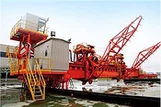
Operating a Mobile Bulk Ship Loader is a complex task that requires a comprehensive set of skills and knowledge. As a supplier of Mobile Bulk Ship Loaders, I understand the importance of proper training for operators to ensure safe, efficient, and reliable operation. In this blog post, I will discuss the various types of training needed to operate a Mobile Bulk Ship Loader effectively.
1. Technical Knowledge Training
Understanding the Equipment
Operators must have a thorough understanding of the Mobile Bulk Ship Loader's mechanical, electrical, and hydraulic systems. This includes knowledge of the loader's structure, components, and how they interact with each other. For example, they need to know how the conveyor belts work, how the boom is extended and retracted, and how the control systems operate.
Training in this area can involve theoretical lessons, where operators learn about the principles behind the equipment's operation, as well as practical demonstrations. They should be able to identify different parts of the loader, understand their functions, and troubleshoot basic mechanical and electrical issues.
Familiarity with Bulk Materials
Since Mobile Bulk Ship Loaders are used to handle various types of bulk materials such as coal, grains, and ores, operators need to be familiar with the characteristics of these materials. Different materials have different flow properties, densities, and handling requirements.
For instance, some materials may be more prone to dust generation, while others may require specific handling techniques to prevent spillage. Training should cover topics such as material flow behavior, dust control measures, and the impact of material properties on the loader's performance.
2. Safety Training
General Safety Procedures
Safety is of utmost importance when operating a Mobile Bulk Ship Loader. Operators must be trained in general safety procedures, including personal protective equipment (PPE) usage, hazard identification, and emergency response.
They should know how to properly wear and use safety gear such as hard hats, safety glasses, gloves, and safety shoes. Additionally, they need to be able to identify potential hazards in the work environment, such as moving parts, electrical hazards, and falling objects, and take appropriate measures to avoid them.
Equipment - Specific Safety
In addition to general safety procedures, operators need to be trained in equipment - specific safety features and procedures. Mobile Bulk Ship Loaders are equipped with various safety devices, such as emergency stop buttons, safety interlocks, and overload protection systems.
Operators should understand how these safety devices work and be trained to use them correctly. They also need to know the proper procedures for starting, stopping, and operating the loader to prevent accidents. For example, they should be aware of the safe working radius of the loader's boom and avoid operating it in areas where there is a risk of collision.
3. Operational Training
Basic Operation Skills
Operators need to learn the basic operation skills of the Mobile Bulk Ship Loader. This includes how to control the movement of the loader, such as driving it to the loading position, positioning the boom over the ship's hold, and adjusting the height and angle of the boom.
They also need to know how to start and stop the conveyor belts, control the material flow rate, and coordinate the loading process with other equipment and personnel on the dock. Training in basic operation skills usually involves hands - on practice under the supervision of an experienced instructor.
Loading Techniques
Efficient loading techniques are crucial for maximizing the productivity of the Mobile Bulk Ship Loader. Operators should be trained in proper loading techniques to ensure even distribution of the bulk materials in the ship's hold, minimize spillage, and prevent overloading.
This may involve techniques such as sequential loading, layer - by - layer loading, and using the loader's telescopic boom to reach different areas of the hold. They also need to be able to adjust the loading process based on the type and quantity of the bulk materials being loaded.
4. Maintenance and Troubleshooting Training
Routine Maintenance
To ensure the long - term reliability and performance of the Mobile Bulk Ship Loader, operators need to be trained in routine maintenance procedures. This includes tasks such as daily inspections, lubrication, cleaning, and checking the tightness of bolts and nuts.
Regular maintenance helps to identify and prevent potential problems before they become major issues. Operators should know how to perform these maintenance tasks correctly and keep records of the maintenance activities.
Troubleshooting Skills
Even with proper maintenance, problems may still occur during the operation of the Mobile Bulk Ship Loader. Operators need to have basic troubleshooting skills to identify and resolve common problems.
They should be able to diagnose issues such as conveyor belt jams, electrical faults, and hydraulic leaks. Training in troubleshooting should include learning how to use diagnostic tools, reading equipment manuals, and following a systematic approach to problem - solving.
5. Environmental and Regulatory Training
Environmental Protection
In today's world, environmental protection is a significant concern. Operators of Mobile Bulk Ship Loaders need to be trained in environmental protection measures. This includes minimizing dust emissions, preventing water pollution, and proper waste management.
They should know how to use dust suppression systems, such as water sprays, to reduce dust generation during the loading process. They also need to be aware of the environmental regulations related to bulk material handling and ensure that the loader's operation complies with these regulations.


Regulatory Compliance
Mobile Bulk Ship Loader operations are subject to various local, national, and international regulations. Operators need to be trained in regulatory compliance to ensure that the loader is operated legally and safely.
This includes understanding regulations related to equipment safety standards, labor laws, and maritime regulations. Training should cover topics such as obtaining the necessary permits, adhering to safety inspections, and reporting any incidents or violations.
In conclusion, operating a Mobile Bulk Ship Loader requires a wide range of training in technical knowledge, safety, operation, maintenance, and environmental and regulatory aspects. As a supplier of Mobile Bulk Ship Loaders, we are committed to providing comprehensive training programs to our customers to ensure that their operators are well - equipped to handle our equipment safely and efficiently.
If you are interested in our Mobile Bulk Ship Loader, Fixed Swing Ship Loader, or Fixed Bulk Ship Loader, and would like to discuss procurement details, please feel free to reach out to initiate a conversation.
References
- "Bulk Material Handling Equipment Handbook"
- "Safety Guidelines for Ship Loading Operations"
- Industry - specific technical manuals and regulations related to Mobile Bulk Ship Loaders.