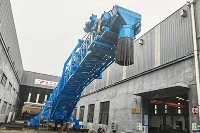
In the world of bulk material handling, the catenary bucket unloader stands out as a highly efficient and reliable piece of equipment. As a leading supplier of catenary bucket unloaders, I am often asked about the technical details of our products, especially how the buckets are attached. This blog post aims to provide a comprehensive overview of the bucket attachment process in a catenary bucket unloader.
Understanding the Catenary Bucket Unloader
Before delving into the bucket attachment process, it's essential to understand the basic working principle of a catenary bucket unloader. This type of unloader is designed to handle bulk materials such as coal, ore, and grains from ships. It consists of a series of buckets that are attached to a chain or belt, which runs along a catenary-shaped track. The buckets are lowered into the hold of the ship, scoop up the material, and then transport it to the discharge point.
Types of Bucket Attachment
There are two main types of bucket attachment methods used in catenary bucket unloaders: bolted and welded. Each method has its own advantages and disadvantages, and the choice depends on various factors such as the type of material being handled, the operating conditions, and the maintenance requirements.
Bolted Attachment
Bolted attachment is a common method used in catenary bucket unloaders. In this method, the buckets are attached to the chain or belt using bolts. The advantage of bolted attachment is that it allows for easy replacement of buckets in case of wear or damage. It also provides a high level of flexibility, as the buckets can be easily adjusted or removed for maintenance purposes.
However, bolted attachment also has some drawbacks. The bolts can loosen over time due to vibration and shock, which can lead to bucket detachment. Additionally, the bolts can corrode in harsh environments, reducing their strength and reliability.
Welded Attachment
Welded attachment involves welding the buckets directly to the chain or belt. This method provides a strong and permanent connection between the buckets and the chain or belt, ensuring high reliability and durability. Welded attachment is particularly suitable for handling abrasive materials, as it can withstand the wear and tear caused by the material.
However, welded attachment also has some limitations. Once the buckets are welded, they cannot be easily removed or replaced. This can make maintenance and repair more difficult and time-consuming. Additionally, welding requires specialized equipment and skilled labor, which can increase the cost of installation and maintenance.
The Bucket Attachment Process
The bucket attachment process in a catenary bucket unloader typically involves the following steps:
Step 1: Preparation
Before attaching the buckets, the chain or belt needs to be properly installed and tensioned. The track should also be cleaned and inspected to ensure that it is free from any debris or damage.
Step 2: Bucket Alignment
The buckets need to be aligned properly with the chain or belt to ensure smooth operation. This can be done using alignment tools or by following the manufacturer's instructions.
Step 3: Attachment
Once the buckets are aligned, they can be attached to the chain or belt using the chosen attachment method. If using bolted attachment, the bolts should be tightened to the specified torque to ensure a secure connection. If using welded attachment, the welding should be done by a qualified welder using the appropriate welding technique and materials.


Step 4: Testing
After the buckets are attached, the unloader should be tested to ensure that it is operating properly. This can involve running the unloader at a low speed and checking for any abnormal noises or vibrations. Any issues should be addressed immediately to prevent further damage.
Maintenance and Inspection
Proper maintenance and inspection are essential to ensure the reliable operation of a catenary bucket unloader. Regular inspections should be carried out to check for any signs of wear or damage to the buckets, chain or belt, and track. The buckets should be replaced if they are worn beyond the recommended limit, and the chain or belt should be tensioned as needed.
In addition to regular inspections, the unloader should also be cleaned and lubricated regularly to prevent the buildup of dirt and debris. This can help to extend the lifespan of the equipment and reduce the risk of breakdowns.
Other Types of Ship Unloaders
While catenary bucket unloaders are widely used in the bulk material handling industry, there are also other types of ship unloaders available. Some of the popular alternatives include Buried Scraper Type Ship Unloader, Fixed Screw Ship Unloader, and Pneumatic Ship Unloader. Each type of unloader has its own unique features and advantages, and the choice depends on the specific requirements of the application.
Conclusion
The attachment of buckets in a catenary bucket unloader is a critical process that requires careful consideration and attention to detail. By understanding the different types of bucket attachment methods and following the proper attachment process, you can ensure the reliable operation of your unloader and maximize its performance.
If you are interested in learning more about our catenary bucket unloaders or other types of ship unloaders, please feel free to contact us. Our team of experts is ready to assist you in choosing the right equipment for your needs and providing you with the support and service you deserve.
References
- Manufacturer's manuals and technical documents
- Industry standards and guidelines
- Research papers and articles on bulk material handling