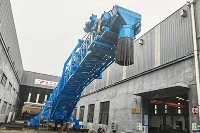
Hey there! As a supplier of Bucket Wheel Ship Unloaders, I often get asked about how to properly store these beasts during the off - season. It's not just about parking it somewhere and forgetting about it. A well - stored Bucket Wheel Ship Unloader can save you a ton of money in the long run by reducing maintenance costs and extending its lifespan. So, let's dive into the nitty - gritty of off - season storage.
1. Pre - storage Inspection
Before you even think about storing your Bucket Wheel Ship Unloader, you gotta do a thorough inspection. Check for any signs of wear and tear, loose bolts, or damaged parts. This is the time to fix any small issues before they turn into big headaches.
Inspect the bucket wheel itself. Look for any bent or broken buckets. If you find any, replace them right away. The conveyor belts are another critical part. Check for fraying, cuts, or uneven wear. You might need to adjust the tension or replace the belts if necessary.
Don't forget about the electrical systems. Look for any exposed wires, loose connections, or signs of corrosion. Electrical problems can be a real pain in the neck, so it's better to catch them early. You can find more info about the Bucket Wheel Ship Unloader on our website.
2. Cleaning
Once the inspection is done, it's time to clean the whole thing. A dirty unloader can attract rust and other forms of corrosion. Start by removing any leftover material from the buckets and the conveyor belts. You can use a high - pressure water hose to blast away the dirt and debris.
Pay special attention to the moving parts. Grease and oil can attract dust and dirt, which can cause premature wear. Use a degreaser to clean the gears, bearings, and other moving components. After cleaning, make sure to dry everything thoroughly to prevent rust.
3. Lubrication
After cleaning, it's crucial to lubricate the moving parts. Lubrication reduces friction and wear, and it also protects the parts from corrosion. Use a high - quality lubricant recommended by the manufacturer.
Apply the lubricant to the bearings, gears, and other moving components according to the manufacturer's guidelines. Make sure to wipe off any excess lubricant to prevent dirt from sticking.
4. Protection from the Elements
The off - season can be tough on your Bucket Wheel Ship Unloader, especially if it's exposed to the weather. You need to find a good storage location. Ideally, you should store it in a covered area, like a warehouse. If that's not possible, you can use a heavy - duty tarp to cover it.
The tarp should be waterproof and UV - resistant. Make sure it's securely fastened to prevent it from blowing off in strong winds. Also, check the tarp regularly for any tears or holes.
If the unloader is stored outside, you might want to consider using rust inhibitors. These can be applied to the metal parts to prevent rust from forming.
5. Battery Maintenance
If your Bucket Wheel Ship Unloader has a battery, proper battery maintenance is essential. Remove the battery from the unloader and store it in a cool, dry place. Charge the battery regularly to prevent it from losing its charge.
Check the battery's water level if it's a lead - acid battery. Add distilled water if necessary. Also, make sure to clean the battery terminals to prevent corrosion.


6. Monitoring and Maintenance during Storage
Storage isn't a “set it and forget it” situation. You need to monitor the unloader regularly during the off - season. Check the tarp for any signs of damage and make sure the unloader is still secure.
Inspect the moving parts for any signs of rust or corrosion. If you notice any issues, address them immediately. You might also want to run the engine or motor for a short period every few weeks to keep everything in working order.
Comparing with Other Ship Unloaders
While we're on the topic of ship unloaders, it's worth mentioning that there are other types out there, like the Screw Type Ship Unloader and the Catenary Bucket Unloader. Each type has its own advantages and disadvantages when it comes to storage.
The Screw Type Ship Unloader is generally more compact, which can make it easier to store. However, the screw mechanism needs to be protected from dirt and debris to prevent clogging. The Catenary Bucket Unloader, on the other hand, has a more complex structure, so it might need more careful inspection and maintenance during storage.
Contact for Purchase and Consultation
If you're in the market for a new Bucket Wheel Ship Unloader, or if you have any questions about the storage process, don't hesitate to reach out. We're here to help you make the best decisions for your business. Whether you're a small - scale operator or a large - scale industrial company, we've got the expertise and the products to meet your needs.
References
- Manufacturer's manual for Bucket Wheel Ship Unloaders
- Industry best practices for heavy equipment storage
- Technical articles on ship unloader maintenance and storage